
Emirati women are leading and realizing their potentials at Khalifa University. In honor of Emirati Women’s Day, here are six Emirati women representing KU’s faculty, staff and student body to keep an eye on. We checked in with them and asked each: What’s a problem you’re currently trying to solve — big or small?
Yusra Abdulrahman
When we asked around for nominations for this list, Yusra Abdulrahman’s name kept coming up.
She’s a faculty member of KU’s Department of Aerospace Engineering; deputy director of the Advanced Research and Innovation Center; and has been collaborating with UAE aerospace companies since 2014, winning numerous awards from the Ministry of Energy and Industry. Abdulrahman is also a new mother … for the fifth time.
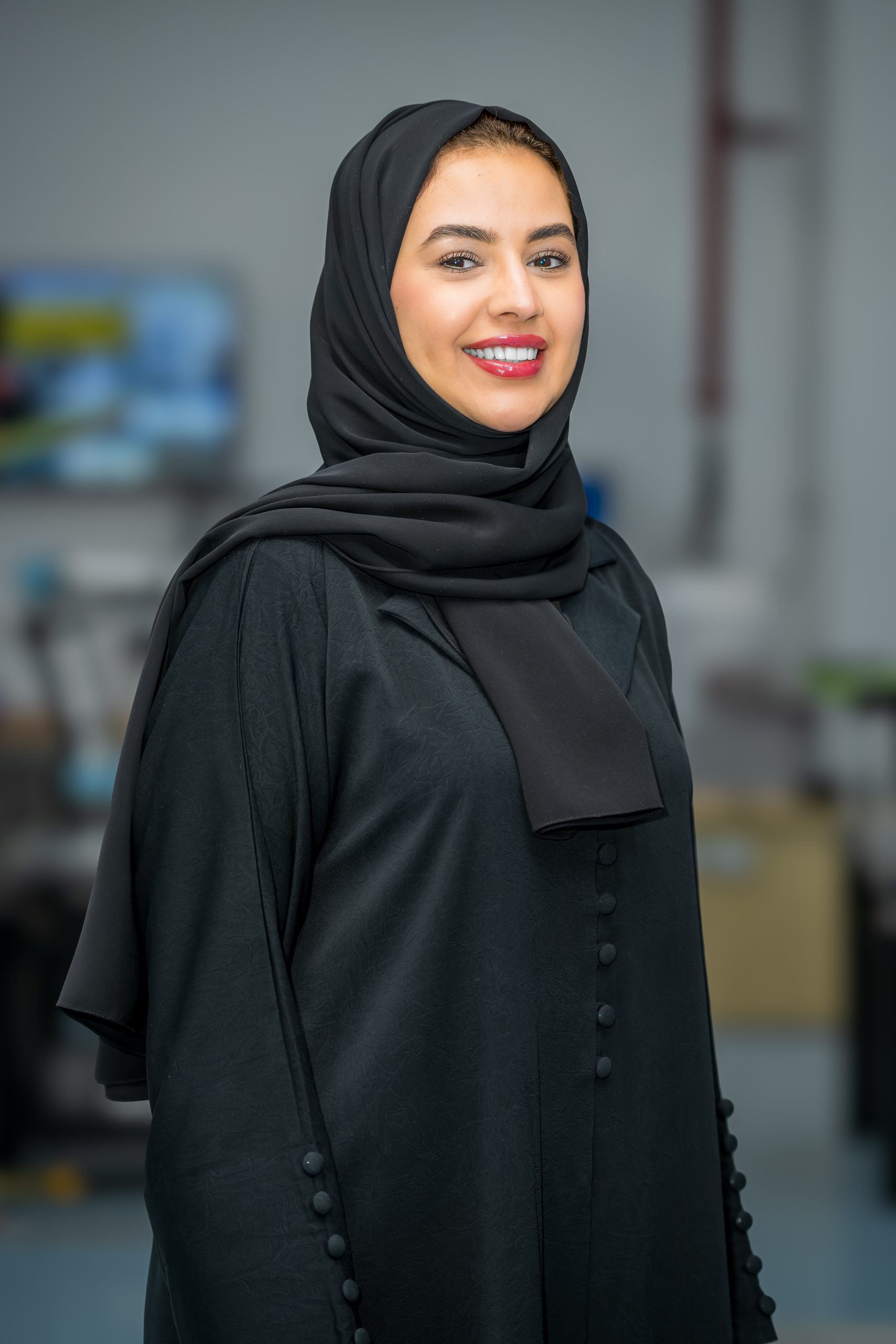 CAPTION: Yusra Abdulrahman
Clearly, Abdulrahman is busy. But she says her focus at work is on the students. “I really try to put all of my efforts into helping and supporting the students. I feel like I’m responsible as a national myself to help my students.
“I always tell them, ‘I’m your eldest sister.’ So I really want them to feel that they are heard, supported. They can really lean into somebody who has been in their shoes once,” she says.
“I believe that one day they will also be responsible for my kids, either as a manager, as a teacher, as a professor,” she adds. “So trying to give them the best I can is the thing that I strive to do every day. And it’s the challenge that makes me wake up every day and try to improve myself.”
Maryam Al Kindi
Maryam Al Kindi manages Student Success and Alumni Services, a vast umbrella that covers such subjects as student counseling; career workshops; internships; employment connections; and engaging and supporting KU graduates.
If you ask Al Kindi, she might say the problem she’s trying to solve is the gap between the potential our students and graduates have and how visible and connected that potential is to the right opportunities.
“I strongly believe in our students and graduates. When they are given the right support, trust, guidance and opportunities, they can truly shine. Our responsibility is to help them see what they are capable of and give them every opportunity to demonstrate it.”
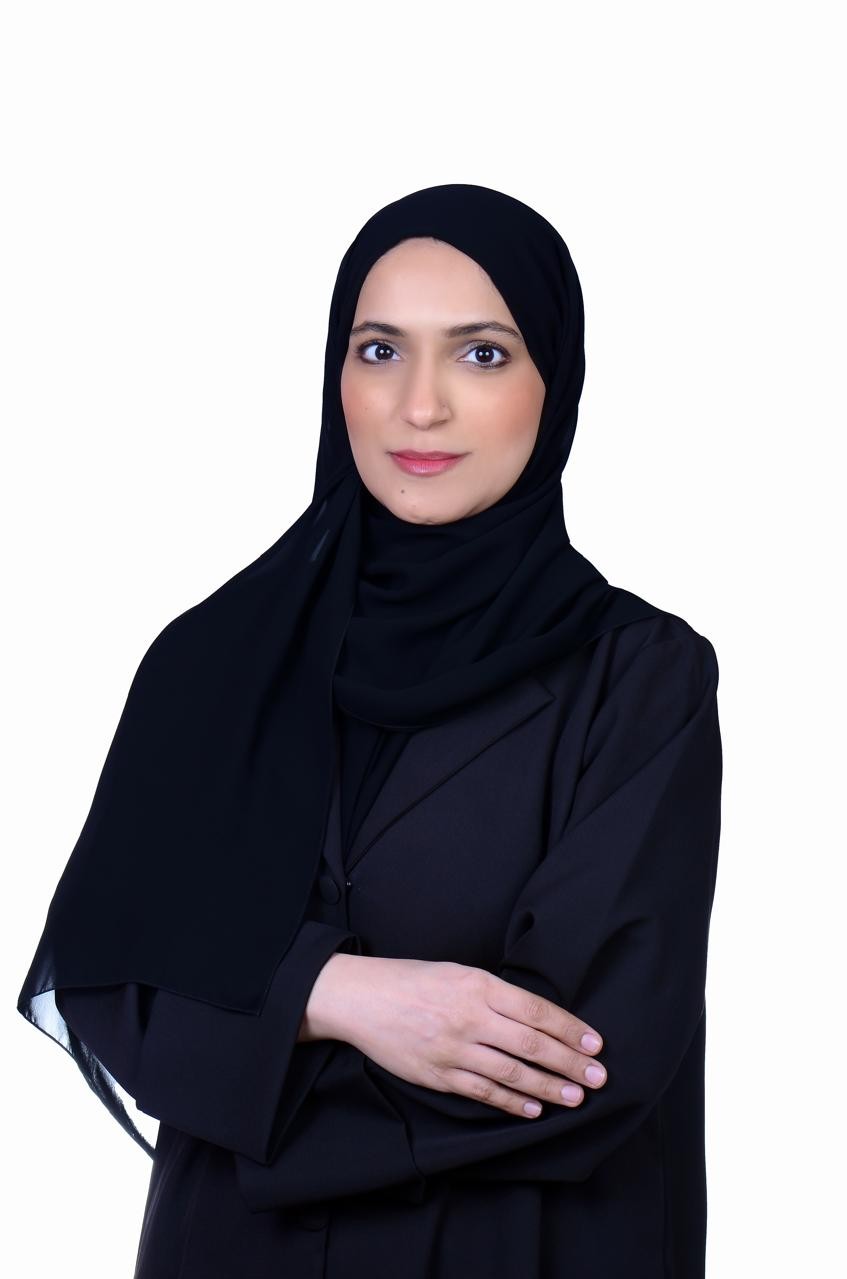 IMAGE: Maryam Al Kindi
That belief has shaped initiatives such as Alajdar, KU’s employability program, inspired by H.H. Sheikh Mohamed bin Zayed’s message that “the bet is always on the most deserving.”
For Al Kindi, the idea reflects a wider responsibility to prepare young people not only for employment, but for the opportunities and responsibilities that come with becoming future leaders.
It is also behind Athar, KU’s mentorship program. “Athar means impact. Sometimes the right mentor, the right advice or even one meaningful conversation at the right time can change someone’s path,” she says.
“Our students and future leaders deserve 100% of what we can do to help them succeed, grow and shine.”
Ghadeer Mubarak
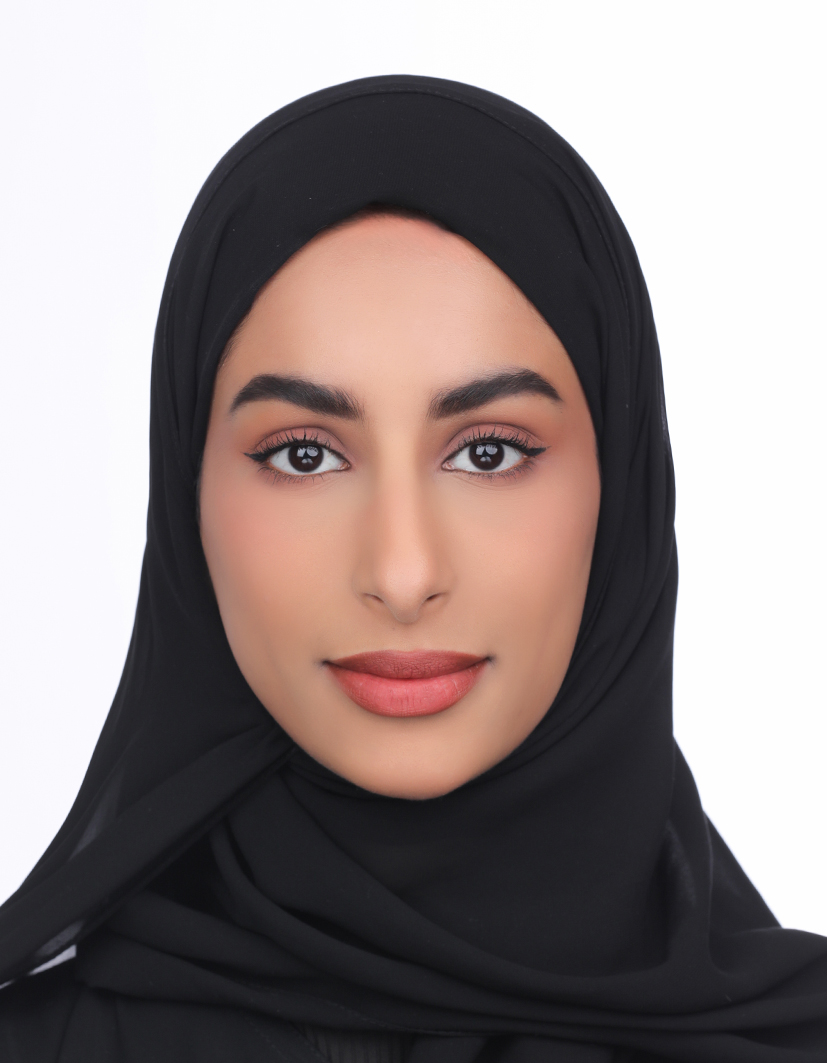 CAPTION: Ghadeer Mubarak
Ghadeer Mubarak, who is part of the faculty at KU’s Chemical and Petroleum Engineering Department and works with the Emirates Nuclear Technology Center, is a true product of Khalifa University.
She earned her bachelor’s, master’s and Ph.D. degrees at KU and is on the national faculty track to become an assistant professor in two years. She’s now packing her bags for a post-doctorate stint in Vancouver, Canada.
All of this on top of a major personal transition coming up soon.
“I’m currently trying to balance my work life and my new life,” she says.
“I’m getting married soon. So I’m trying to balance all of these things because I’m having too many new things happening. I’m getting to a new job. I’m going to a new country.
“I’m having a new life, a new husband, a new home and everything.” She adds: “I think it’s a problem for all women to maintain the balance between their job and their home, their family.”
Halima AlNaqbi
Halima AlNaqbi is a researcher and a mentor.
She studies genomics and multiomics – looking at multiple molecular layers to get a better picture of cell function, health and disease – in her work with cancer and autoimmune diseases such as multiple sclerosis.
She also chairs the Women in STEM group at Khalifa University, which mentors undergraduate and postgraduate students.
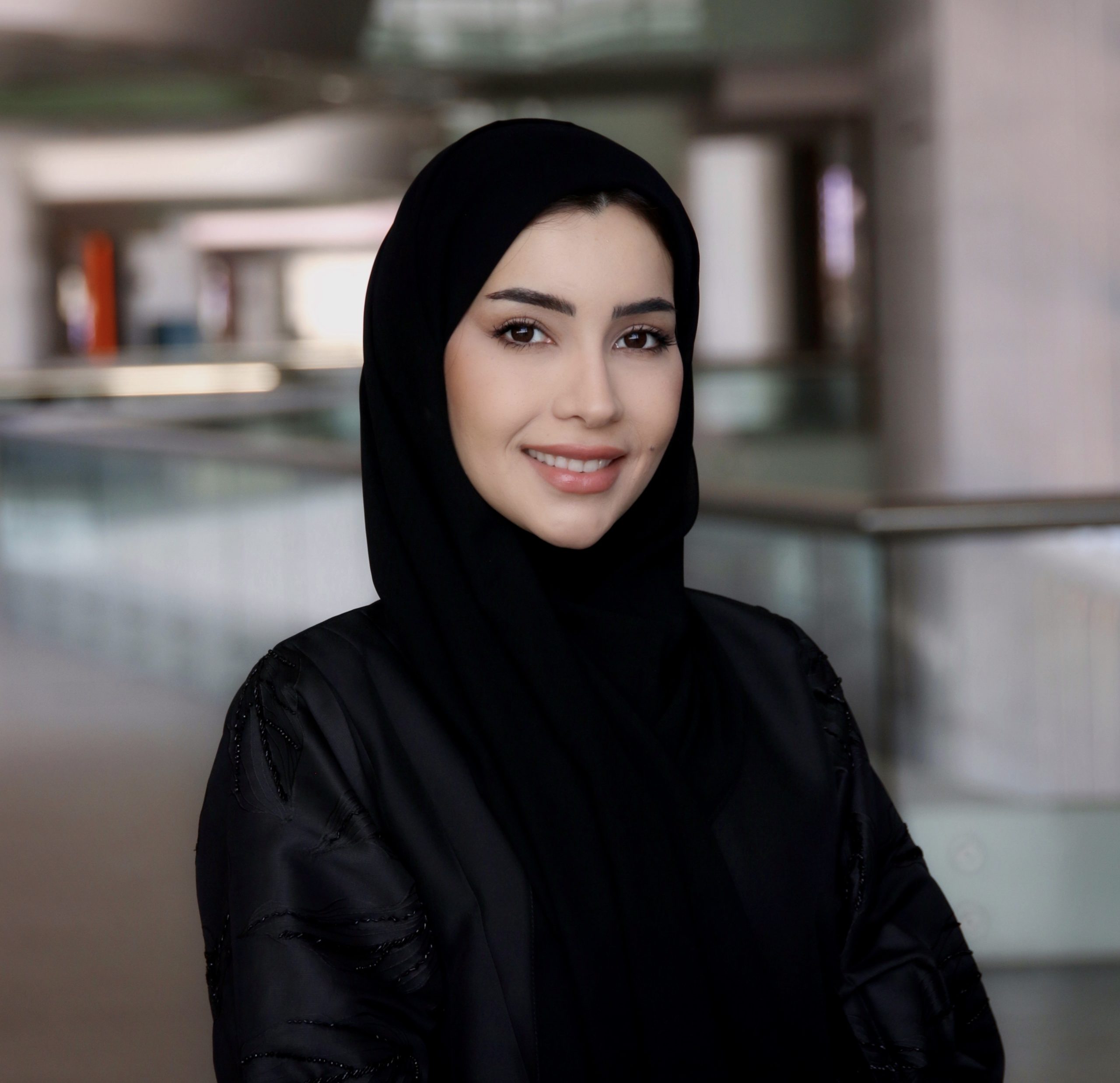 CAPTION: Halima AlNaqbi
That cohort is a larger percentage of female students than you’re likely to find in other countries, she points out.
“In the UAE, I believe, the number is 60 percent women make up engineering majors. In other countries, this number actually flips.”
And the problem she’s working on?
“I’m leveraging AI in different problems that I’m working on, but specifically I’m very interested in how can we use it in order to make the life of clinicians better when it comes to getting insights into patients’ wellness and health through their genomics data,” she says.
“Everyone’s talking about precision medicine, using genomics, in order to treat diseases before they actually appear. But what could be the role of AR or how we as engineers, biomedical engineers, how can we leverage AI, leverage the large language model, for example, to build specific tools that clinicians can use in their day-to-day basis?”
Hamda Almentheri
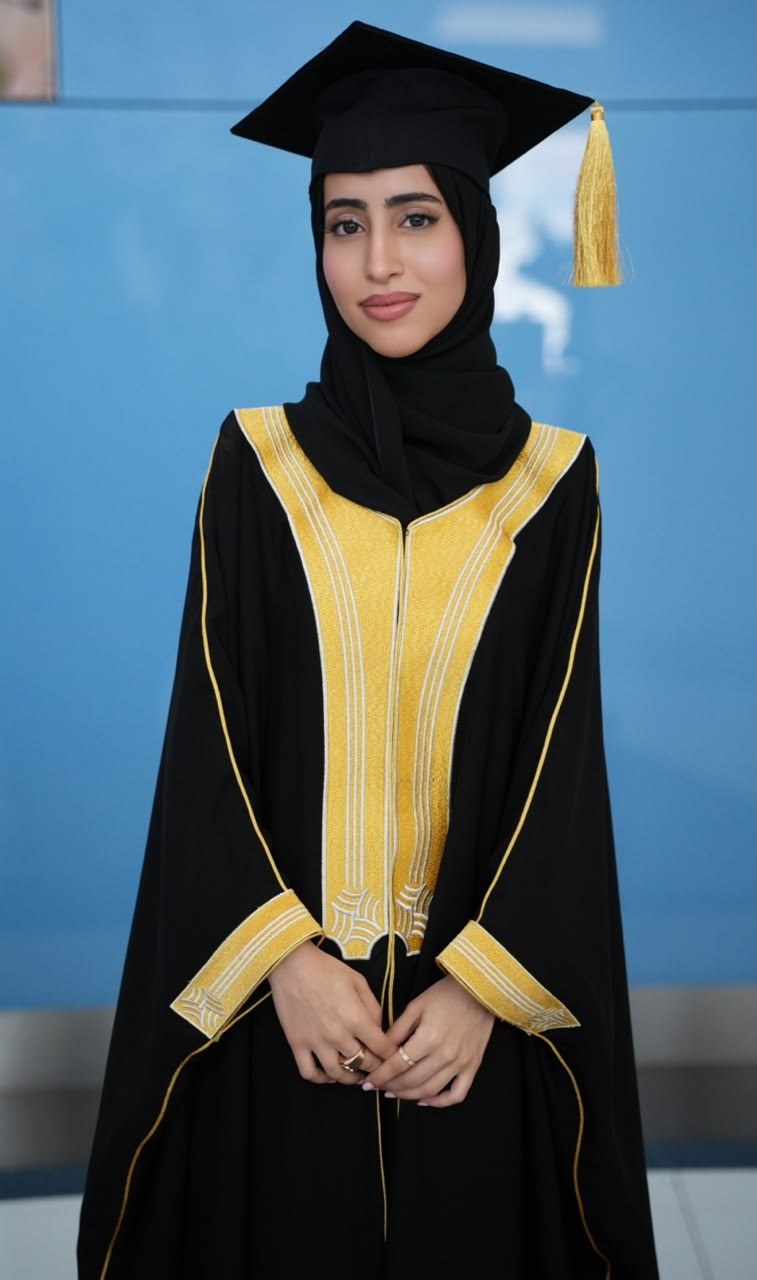 CAPTION: Hamda Almentheri
 Hamda Almentheri has a lot of balls in the air. She just began her master’s program in engineering systems and management at KU, runs two businesses and is about to start a new job.
One of her businesses, partnered with her mother, sells tea. The other is a social-networking platform called For the Girls, which hosts workshops and other events to give women a fun and safe space to make new friends.
Almentheri also studied as an undergrad at KU. “I graduated as a computer engineer, which was very helpful. It was a balance of hardware, software and all that. But then I was like, wait, maybe I want to know the bigger picture of how everything works together. So that’s how I applied for engineering systems and management,” she says.
The problem she’s working on, though, is easily relatable.
“In the beginning of August, I was dealing with like a very close friend of mine being ill. So I had to balance empathy with my work, with my business and my studies as well. So that taught me a lot of things about how to manage my time, how to not let my emotions get in the way,” Almentheri says.
“I realized that there’s nothing to do except to pray, to be there for like my friend, be there for her physically and mentally and everything. But at the same time, keep prioritizing myself. That doesn’t make me selfish,” she says.
Aisha Al Suwaidi
Aisha Al Suwaidi was in Copenhagen taking a break after working in Greenland when she answered our call.
The KU researcher studies deep time – that’s hundreds of millions of years – in climate and environmental change to better understand times in the Earth’s history when the atmosphere experienced natural increases in carbon dioxide. Her work focuses on the impacts that CO2 had on the environment and how long it took the planet to recover. That’s why she was in Greenland: The island itself is a physical record of ancient atmospheres, temperatures and ice-sheet stability preserved in ice and sub-glacial bedrock.
“I am currently working on reconstruction of a time in Earth history when we had very high sea levels similar to what we might experience if the polar ice caps keep melting due to human-induced climate warming,” she says. “We are trying to understand the Earth’s response and the impact on natural systems.
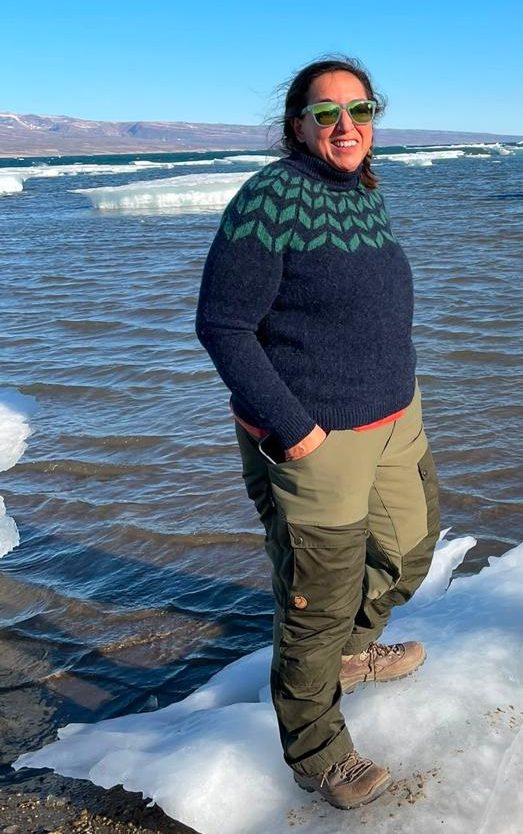 CAPTION: Aisha Al Suwaidi
“This type of study can help us really think about what effect the climate change humans have induced might have and how we might mitigate or limit the effects.”
More like this: Making space for women