Pathology SPARK

Looking at tissue under a microscope to identify disease takes on a whole new life with an AI system that comes up with its own research ideas.

The system, called SPARK, behaves like a tiny pathology lab that works at lightning speed and has the ability to decipher patterns linked to cancer risk and treatment response.

The study, published in Nature Medicine, introduces the system using more than 5,400 cancer cases. SPARK scanned routine tissue images from cancers including lung, breast and colorectal tumors and generated and tested hundreds of biologically inspired ideas of its own.

The system found hidden tissue patterns related to essential cancer biomarkers like PD-L1 and MSI, along with clues tied to patient outcomes. Notably, some of the strongest signals came not from the tumor itself, but from nearby immune cells and support cells that were “hanging out” around it.

Researchers even let pathologists type in questions in plain English, which SPARK turned into measurable image analyses — almost like having an AI research assistant.

The tool is still experimental, but scientists say it could lead to a future where AI doesn’t just identify diseases — it helps make discoveries too.

More like this: Cancer can run, but it can no longer hide/a>

Keep calm and camel on

The longest, hottest day of the year in the UAE typically falls between June 20 and 22. We’ve survived these days thus far, but on the final day of this spread, spend some time celebrating, not only because you made it this far through the summer, but because June 22 is World Camel Day.

Why celebrate this animal?

Raziq Kakar, founder of World Camel Day, tells KUST Review, the camel is vital to desert ecosystems and those who live within them.

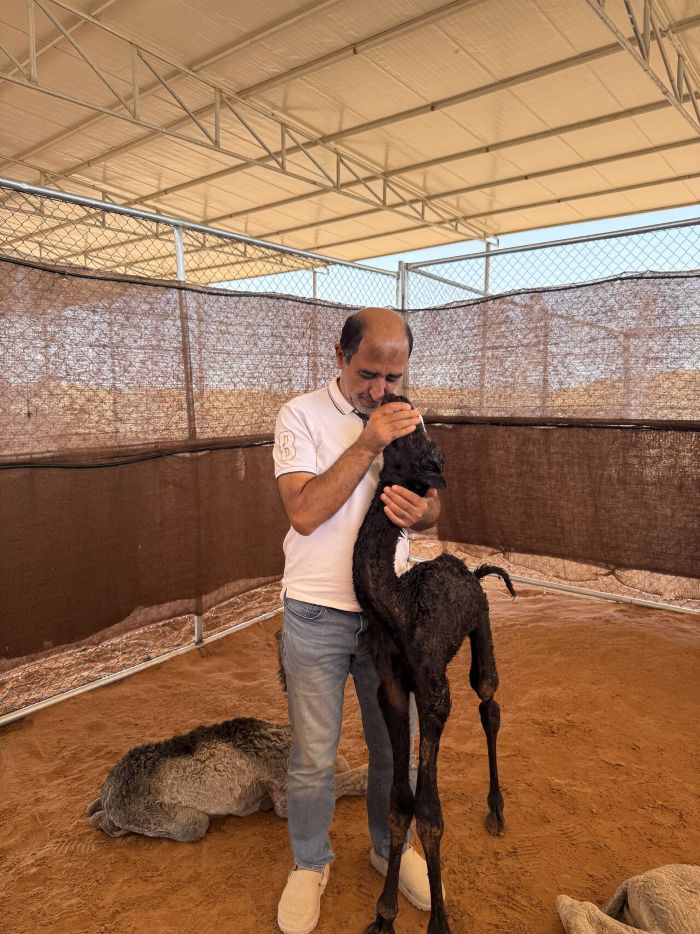
CAPTION:  Kakar gets camel nuzzles at a farm in Masakin IMAGE: Raziq Kakar

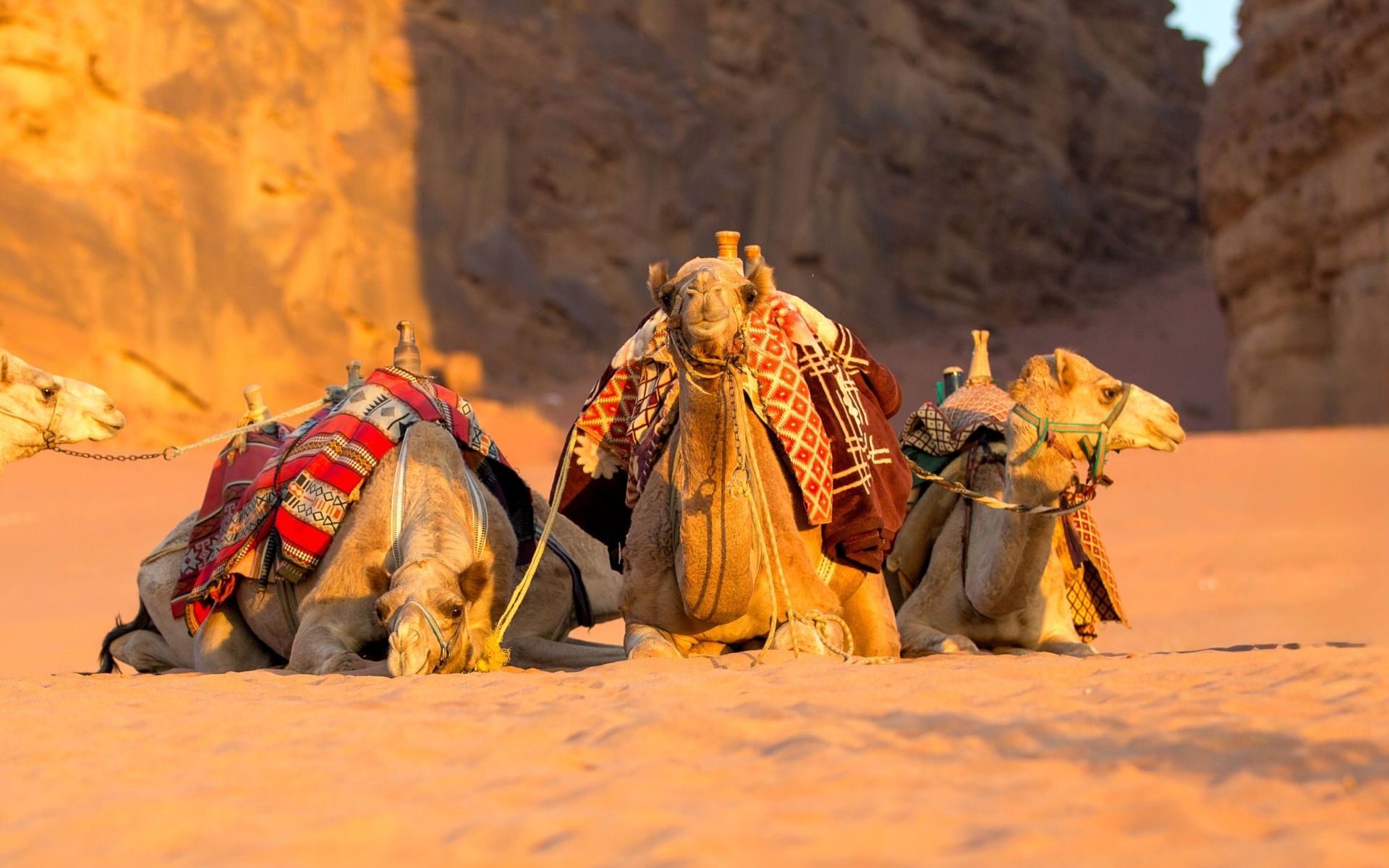
Since ancient times, the camel has wandered the Middle Eastern deserts. Widely known as the “ships of the desert,” camels serve as transporters of goods, a source of livelihood and a companion to the Bedouin people.

“There’s something deeply special about the bond between humans and animals — a language beyond words, built on respect and gentle care,” says Kakar, who holds a doctorate in animal science.

He says camels are among the only animals on the planet that might benefit from global warming.


The camel is a pillar of resilience. It can sustain long, arduous travel through extreme temperatures.

Contrary to popular belief, the camel’s hump does not store water, but it contains fat that provides the camel with energy and fends off thirst for long periods of time.

How camels ingest and utilize water is another process entirely.

According to the World Wildlife Fund, these creatures can consume up to 40 gallons of water in one go and can go weeks without. But if it’s not stored in the hump, where is it?

It’s not stored at all. Camels can withstand severe dehydration, losing up to 30 percent of their body weight in water. So when they down 40 gallons in a single sitting, it’s to rehydrate.

This is only one of many biological traits they are revered for.

The camels also disperse seeds during treks and through their droppings, enhancing plant life and food security.


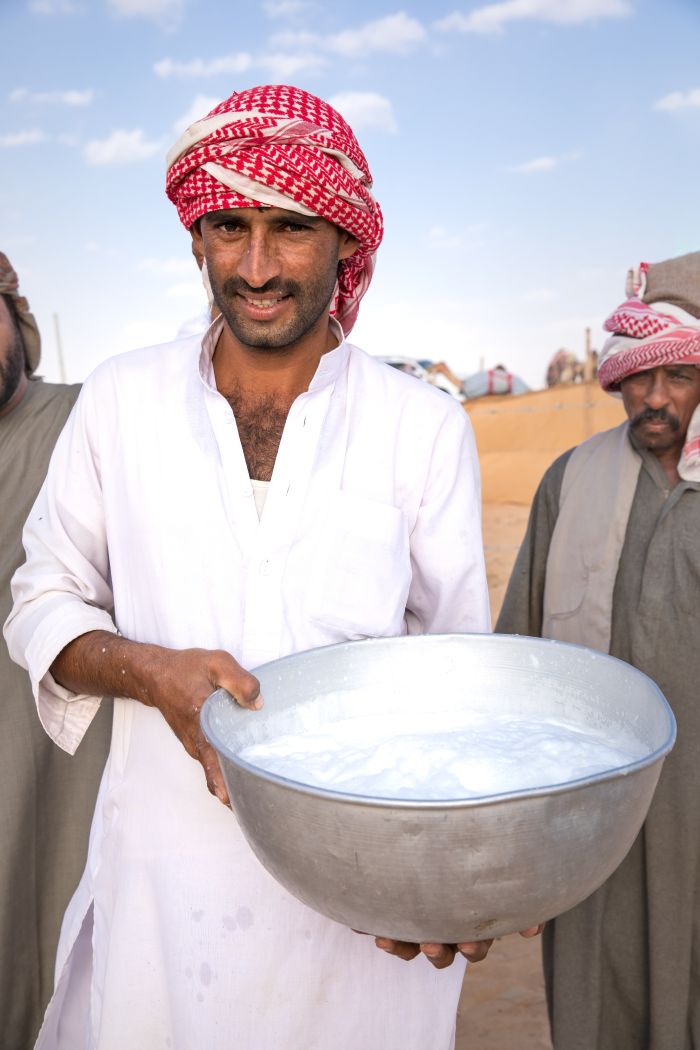
CAPTION: Freshly produced camel milk at Al Dhafra camel festival IMAGE:Shutterstock

They’re also a vital biological inspiration to the scientific community, and don’t get us started on the umpteen perks of camel milk consumption.

On World Camel Day, you can join in the camel festivities by visiting the Camelicious Farm in Dubai, which will be open June 22 to the public. Check out Al Ain Farms’ social media channels for more information. You can also learn more about camels on the ADAFSA and find many informative articles on Kakar’s website, ARKBIODIV.

More like this: MOOVE over cows, there’s a new milk provider in town

Overconfidence nonsense

When using AI, it’s imperative to know your subject matter because AI sometimes gets things wrong. The problem is, it spits out information with total confidence because it doesn’t know it’s wrong. How do we break AI of its unfounded overconfidence? Add randomness.

A new study in Nature Machine Intelligence says briefly training AI on random data before real learning leads to a better match between confidence and accuracy and, ultimately, more reliability.

Giving AI a short “warm-up” using noisy, meaningless data before real training might sound odd, but it teaches the important lesson that it doesn’t always know the answer — a simple fix to a bad habit.

After the “warm up,” the AI becomes more adept at judging its own confidence with less guessing and more honesty.

The solution is quick, low-cost and works across different AI systems.

Inspired by early brain activity, this small modification could make AI much safer in critical areas like healthcare and autonomous technology.

More like this: AI viruses join the fight against bacteria

Houston, we have a crew

2026 was a big year for NASA’s Artemis program with the successful completion of the crewed Orion spacecraft’s lunar flyby. And with two successful missions in the bag, NASA is rocketing forward with the introduction of the Artemis III crew in a recent press conference.

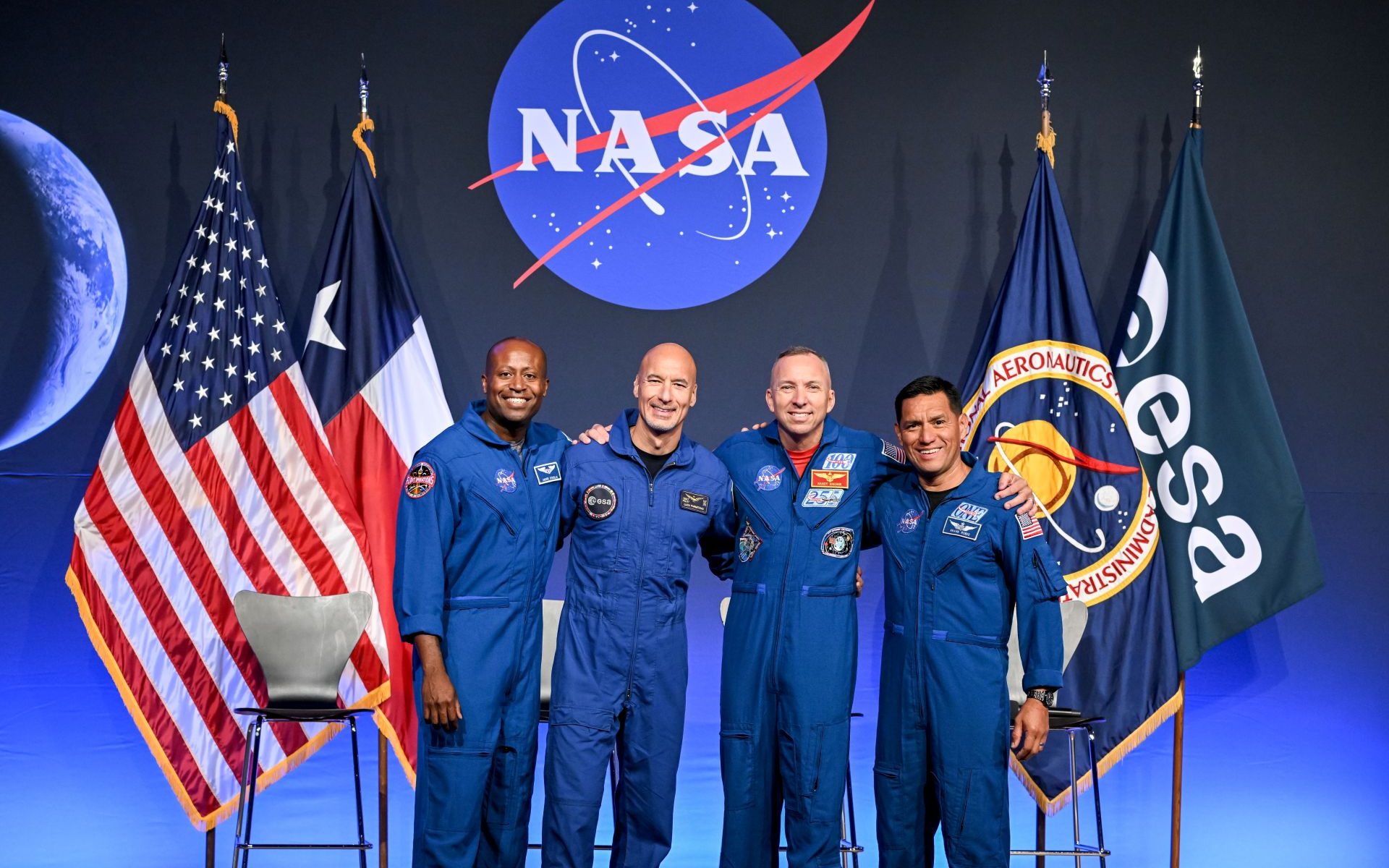
World, meet the crew taking one for the team: commander Randy Bresnik (NASA), pilot Luca Parmitano (European Space Agency), mission specialist Andre Douglas (NASA) and mission specialist Frank Rubio (NASA).

Artemis III, scheduled for late 2027, will evaluate life support and control systems, mission software and determine required vital systems for the next missions. The testing will occur aboard the Orion spacecraft in low-Earth orbit.

The five-mission program’s endgame is to set up lunar lodgings for long-term stays on the moon with the opportunity for further deep space exploration. While Artemis III’s crew will not visit the moon, their mission is critical for the operations and safety for subsequent crews.

The work of the Artemis III crew will allow for 2028’s Artemis IV mission to go where no one has gone before — the lunar south pole.

More like this: No. 2 might be priority No. 1

Microwave those crystals

Microwaves aren’t just a quick, easy way to heat up your pizza pocket. Researchers at Khalifa University are using them to grow high-quality crystals that could power low-energy memory devices.

Creating these crystals typically involves multiple-step, high-heat processes, but this method, using microwave energy, turns the natural material molybdenum disulfide into molybdenum trioxide crystals in minutes.

The crystals can grow to almost 1 centimeter long, and the process uses up to 140 times less energy with substantially less carbon output.

Further, these crystals can be used to construct memristors (tiny electronic components that remember past activity). The devices worked reliably with only low voltage, which makes them a promising option for producing faster, energy-saving electronics.

Ultimately, this simple microwave method could pave the way for smarter, low-power tech with cheaper, greener and easier-to-produce advanced materials — a big win for both industry and the environment.

More like this: Launching medical research