
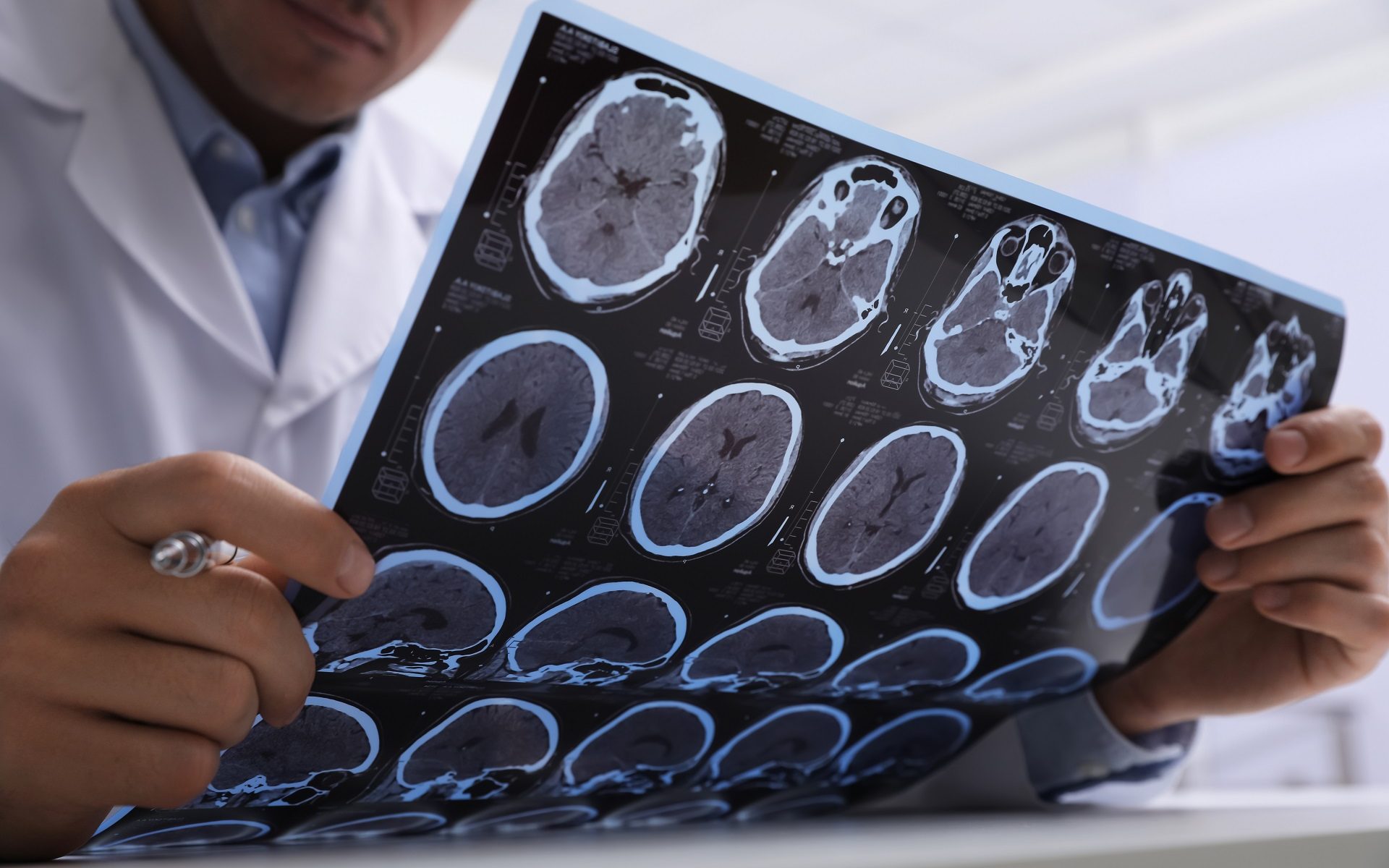
Warning signs of MS

A new study published in Nature Medicine identifies a new type of brain lesion in patients with multiple sclerosis (MS) that might be an indicator of fast disease progression.

These broad rim lesions (BRLs) were mainly discovered in those whose MS progressed quickly, indicating they are an important clue for doctors.

BRLs are like hotspots of inflammation. They have a thick, active outer layer that is filled with immune cells that appear to create discord in the spinal cord and brain. Patients with these lesions were more prone to quicker disability and had more damage in essential parts of the nervous system.

By studying donor brain tissue and using high-tech imaging like PET scans, researchers were able to identify the lesions while people were still living. They were also able to identify a unique pattern of gene activity in BRLs and signs of stress inside cells.

Notably, the lesions may be used to predict the potential rapid decline of MS patients. Additionally, the research team identified possible targets for new treatments that may help to slow or stop the damage.

The findings may assist in earlier diagnosis, more effective treatment and possible new drugs for those facing aggressive forms of MS.

More like this: Launching medical research
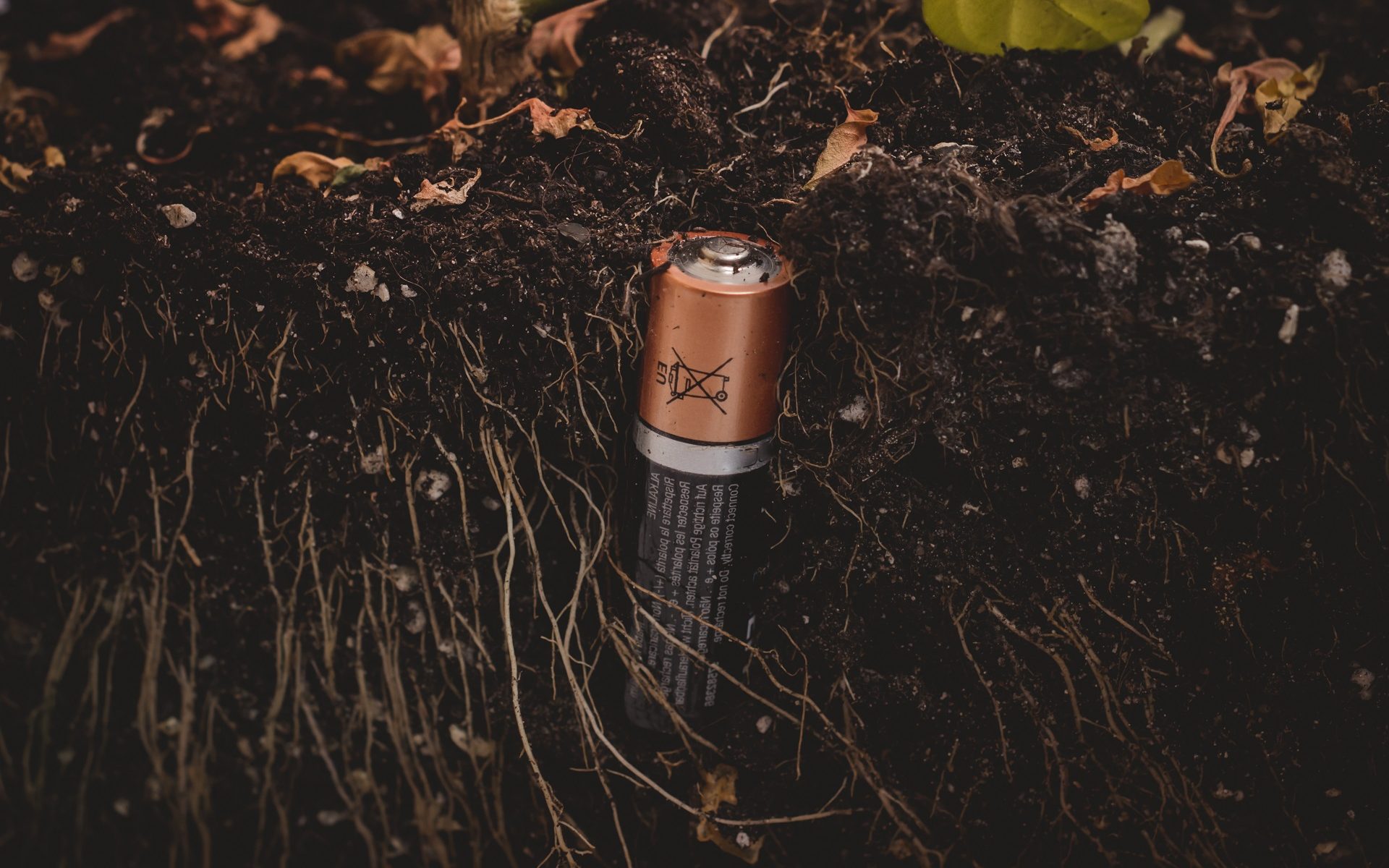
Goodbye batteries, hello bugs

Rechargeable batteries have significantly reduced the environmental impact of battery waste, but there are still a lot of products out there requiring lithium-filled batteries that erode over time and leak chemicals into soil and water.

Researchers at Binghamton University have developed a tiny battery powered by probiotics to help, and it just dissolves after its battery life is depleted — no pollution, no recycling, no mess.

Rather than using toxic chemicals, the biobattery runs on 15 strains of innocuous probiotic bacteria. The power generated is straight from the natural process of these microbes just doing what they do — breaking down nutrients.

The device is printed on paper that ultimately dissolves in water and has a coating that breaks down in acidic environments like the human stomach or polluted soil.

Batteries aren’t part of the typical human diet, so why is this important?

The medical field is moving toward personalized medicine. Sometimes this means ingestible health monitors, implants, etc., that we would prefer not to leak toxins into our bodies. The limited low-power output is perfect for small devices like these offering up to 100 minutes use.

When it’s finished, it simply disappears — no toxic leftovers, no waste.

In future, versions could power even more impressive tech, but for now this is a significant step toward greener, safer and smarter electronics.

The paper was published in Small.

More like this: My electric vehicle has a weight problem

It’s OK to tango with mango

While a golden, juicy mango contains nearly 23 grams of sugar and would in the past not be a recommended afternoon snack for someone with blood-sugar challenges, new research suggests it could be OK to indulge in one of the sweetest fruits.

The good news for anyone struggling with obesity, or chronic low-grade inflammation, is that regular mango consumption may improve insulin sensitivity.

A randomized, controlled study by researchers at the Illinois Institute of Technology revealed no significant changes in inflammation markers in participants who consumed mango twice daily for four weeks. The mango-consuming participants also showed lower fasting insulin levels and enhanced insulin-resistance markers than the control group.

The results, published in Nutrients, suggest that consuming mango could support better glucose regulation and reduce type 2 diabetes risk.

The team believes the bioactive compounds and influence on cellular antioxidant defenses in mangoes may be the link to these benefits.

The bigger picture indicates that with more research, further fruit-based dietary interventions may improve metabolic health.

More like this: More midges, more chocolate

Understanding problematic
gaming

A group of researchers from the IT-University of Copenhagen recently interviewed self-identified problematic gamers.

The team used Self-Determination Theory (SDT), a psychological concept that explores how self-determination impacts motivation, and concluded that individuals lacking autonomy, competence and relatedness – all elements of intrinsic motivation – are more inclined to experience distress.

The study calls into question the notion that high gaming consumption leads to negative outcomes, but rather the gaming fulfilled psychological needs.
The study also suggests that an awareness of personal motivation may be the key to healthy online gaming.

The research highlights the need for continued conversation and exploration around gaming disorders rather than blanketly classifying gaming as problematic.

The study was published in Computers in Human Behavior.

More like this: Tech conceived during the pandemic aims to calm a post-COVID world

Throwing shade on the desert

The world’s scorching deserts are generally thought of as unforgiving environments, but the sizable, sun-exposed landscapes have proven suitable locations for vast solar parks. The unexpected result? Shade-bearing solar panels appear to be changing ecosystems.

Deserts are among the Earth’s major ecosystems. They cover more than 20 percent of the Earth’s surface and are home to plants and animals that have adapted to the harsh environment. Almost 7,000 species, like the scavenging brown hyena that gets its water almost exclusively from prey and fruits, are found there.

But the harsh environment the hyena calls home might be in for a little reprieve.

A new study from Xi’an University of Technology shows that solar panels that provide constant shade may be responsible for renewed and enhanced desert ecosystems.

The environmental impact of solar panels may be two-fold: They produce renewable energy and life-sustaining conditions.

The panels offer constant shade, which assists in moisture retention, lowers soil temperatures and, ultimately, reduces evaporation.


CAPTION: Solar Innovation Centre, Dubai, UAE IMAGE: Shutterstock

The research suggests these small alterations could allow vegetation to flourish and support microorganism growth that is imperative for soil health. The research study in China’s Qinghai Gonghe Photovoltaic Park used the DPSIR model. The model is typically tapped to measure environmental problems but was used here to develop a system for evaluating the positive impact of the panels. The results suggested that the solar panels were actually restoring the desert soil.

Measuring 57 environmental indicators, including soil composition, temperature, biodiversity and humidity, the research team assessed the area underneath the panels as having general good ecological health. This area scored almost double the health rate of the surrounding desert.

“The index system constructed in this study helps to clarify the changes in the driving forces, pressures, states, impacts and responses of desert photovoltaic power plants and their comprehensive relationships. The use of different levels of indicators is an effective method for examining integrated environmental decision-making and can help managers make improved decisions,” the team says.

More like this: A bounty in the desert