After the storm

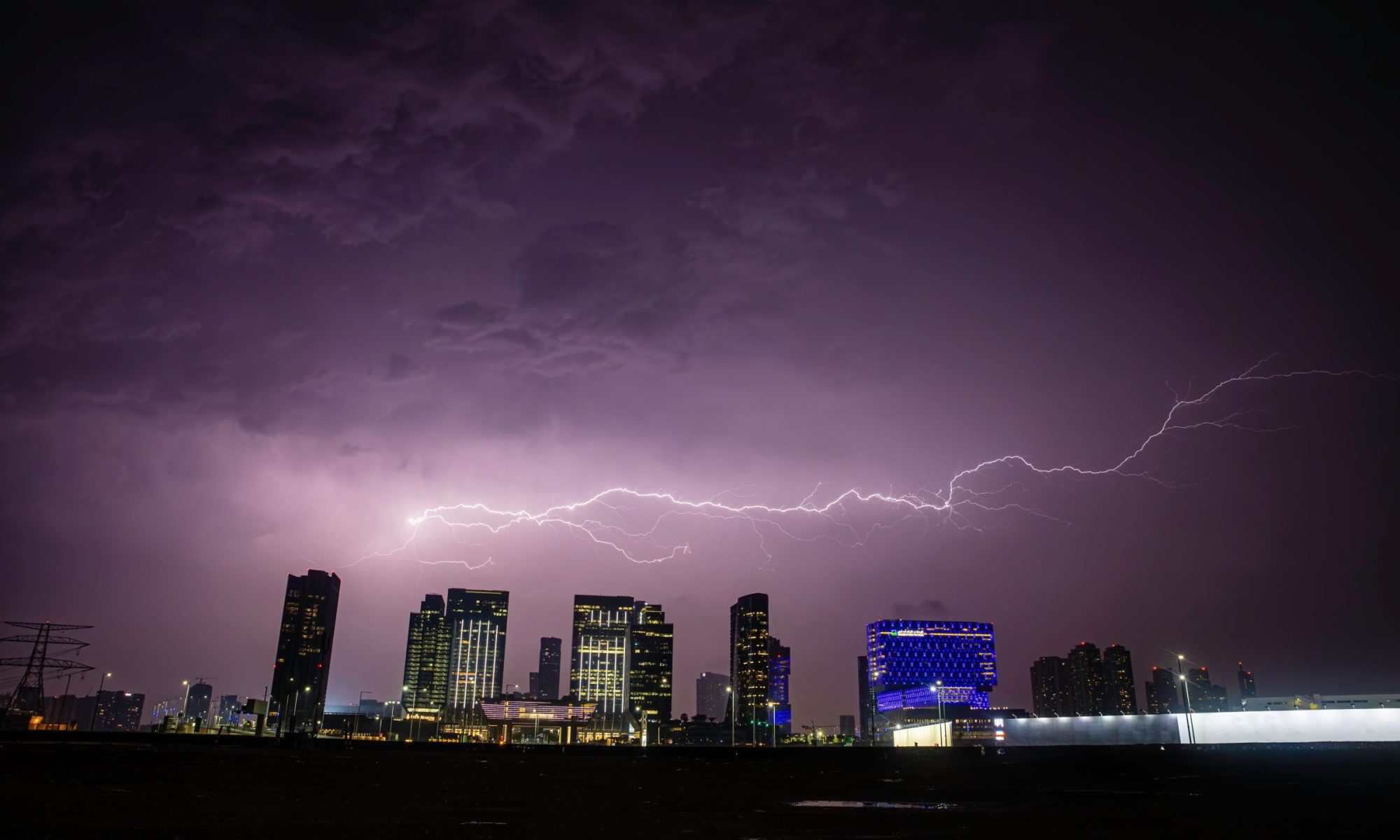
An unusually destructive storm brought more than a year’s worth of rain to the UAE in one day in April 2024, causing widespread flooding that shut roads, flooded homes, delayed flights and damaged businesses.

If you guessed climate change was responsible for the problems, you’re partially right.

In a new study published in Climate and Atmospheric Science, a Khalifa University team led by Diana Francis reports that warmer temperatures caused by climate change increased the amount of moisture in the atmosphere, fueling heavier rainfall. Expanding cities and growing populations, meanwhile, amplified the impacts.

CAPTION: Diana Francis IMAGE: Khalifa University

The researchers used weather observations, climate models and satellite imagery to examine what caused the storm and why its effects were so severe. They found that human-caused warming increased the rainfall’s intensity, although natural weather patterns also played an important role.

The study also showed that the UAE’s rapid urban expansion increased its vulnerability to extreme weather. Roads, buildings and airports were hit hardest in densely populated areas where concrete and asphalt prevent rainwater from soaking into the ground.

Satellite images revealed that the most heavily urbanized parts of Dubai and Abu Dhabi experienced the greatest impacts from flooding.

The takeaway: The April 2024 storm offers a glimpse of what cities in arid regions may face more often as the climate warms, the researchers say.

More like this: The immensity of intensity

Hotter nights, more danger

When we think of long summer heatwaves, we typically think about daytime highs. But new research from Khalifa University says the nighttime is equally to blame.

Research analyzing data from 491 weather stations from 2005 to 2025 concludes that the frequency of heatwaves is increasing and nights are remaining hotter for longer, particularly along the coasts of the Arabian Gulf and the Red Sea.

CAPTION: Makkah, Saudi Arabia, 15 June 2024: Many Hajj pilgrims are walking on the Arafat field. Mount Arafat (Jabal Arafat, Mountain of Mercy’) is a forgiveness hill. IMAGE: Shutterstock

“Compound heatwaves,” in which both days and nights stay exceedingly hot for days in a row, are dangerous because the human body can’t cool and recover through the night.

The humidity of the coasts factor in largely because humid air traps heat close to the ground. This results in stifling, muggy nights with almost no relief.

The team’s paper, published in Atmospheric Research, was based on the June 2024 lethal heatwave that occurred during the Hajj pilgrimage that exceeded 50 degrees Celsius in certain areas. This resulted in thousands of heat-related illnesses and over 1,300 fatalities.

The four AI weather-forecasting systems tested were able to predict the heatwave but failed to recognize the temperature severity, especially at longer forecast ranges.

While the research concludes that AI forecasting is becoming a useful tool for heat warnings, gaps exist relating to nighttime heat and coastal humidity as Middle Eastern heatwaves increase in intensity.

More like this: The immensity of intensity

The immensity of intensity

Terms like “glacial” are often applied to regions like the Antarctic. Although that might create an image of slowly changing landscapes, sometimes it’s quite the opposite.

A recent study conducted by researchers from Khalifa University shows that snow can grow or shrink daily due to sudden weather shifts.

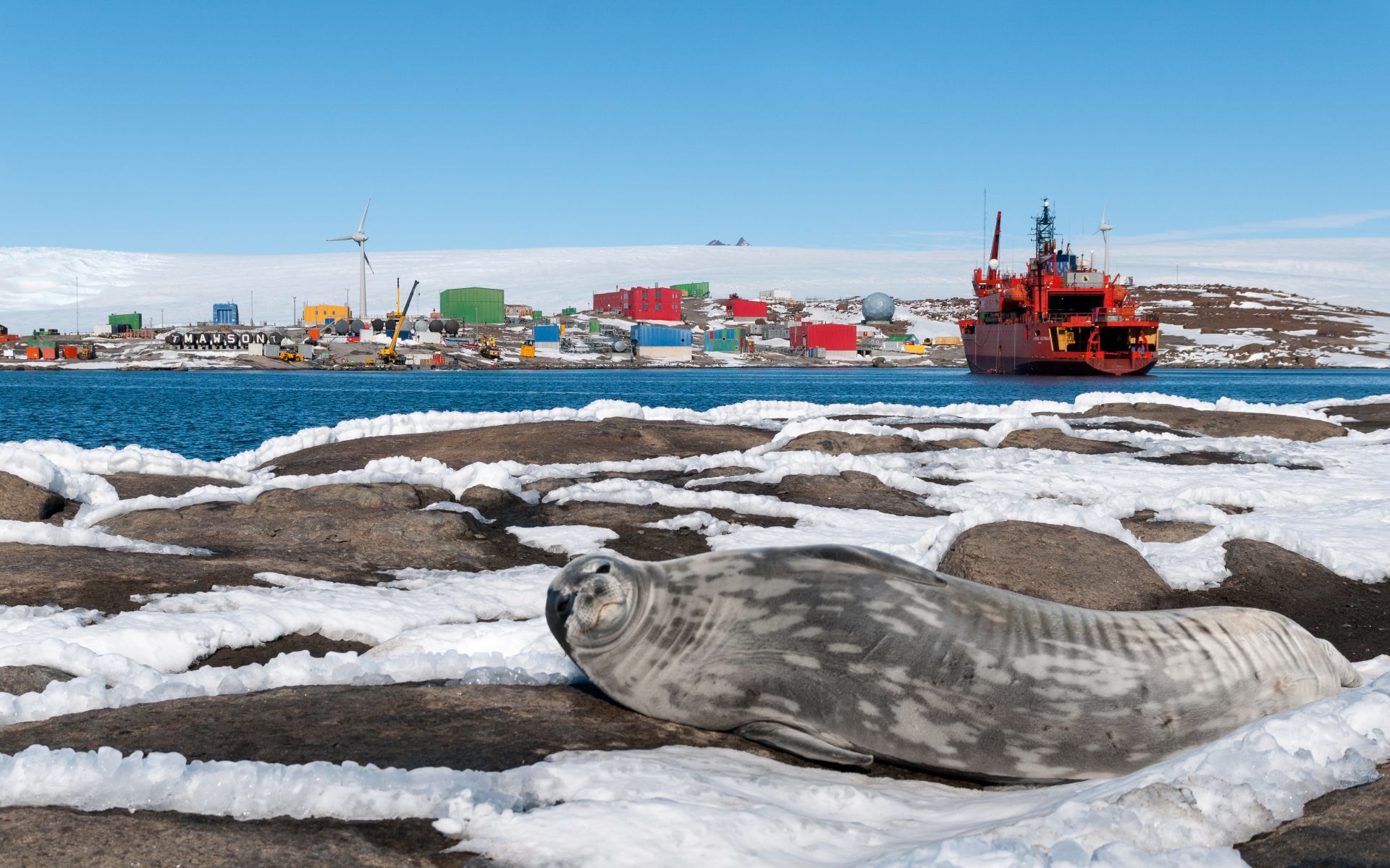
While studying the ice close to Mawson Station in East Antarctica, scientists discovered that although the seasonal patterns of growing and shrinking sea ice is predictable, the snow on top can change quickly.

These shifts aren’t caused by seasonal changes, but by sudden weather. Extreme snowfall, strong winds or gusts of warm air can add, shift or remove snow.

Most notably, these changes can be caused by atmospheric rivers, which are large streams of moisture in the air that can simultaneously drop snow and stir up strong winds that could blow much of the snow away.

Katabatic winds (fast-moving air speeding down from the Antarctic’s high interior) can also be responsible for removing snow from the surface or disappearing it into the air.

Why does this matter?

Snow and sea ice help regulate the Earth’s climate. Understanding that the Antarctic ice system is more akin to a volatile stock market than a slow drift can help scientists improve climate models and better understand what’s coming next as Antarctic ice continues to shift.

More like this: A river runs over it