


Workers in the 1970s fields paved the way for sustainability›››
Research
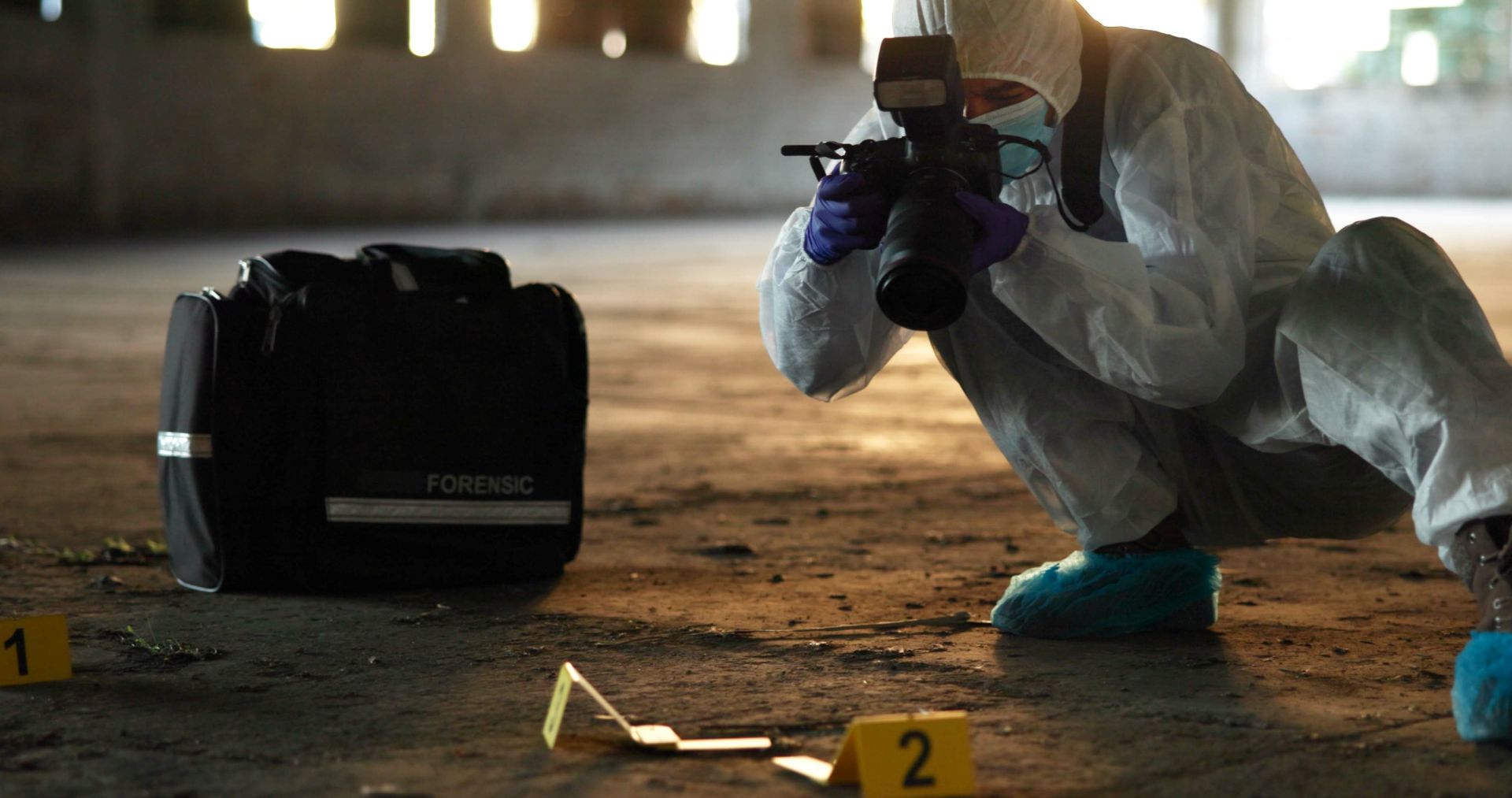
Inside the forensic laboratory, every movement is deliberate and every detail matters.
Shaima Al Marzooqi moves carefully between workstations, observing samples under microscopes, logging data and handling instruments designed to reveal hidden chemical and biological clues. The soft hum of machines, the click of lids and the shuffle of evidence trays fill the room, creating an atmosphere of quiet focus.
Al Marzooqi, a recent chemistry graduate from Khalifa University, discovered her passion for forensic science at an early age.
“I’ve always been curious about how things interact at a molecular level,” she says.
That curiosity evolved into an interest in forensic science through crime novels, particularly those about Sherlock Holmes.
“Those stories sparked my fascination with how evidence and scientific methods can uncover the truth,” she recalls.
At Khalifa University, Al Marzooqi built a strong foundation in organic and physical chemistry before choosing the forensic track in her fourth year.
 CAPTION: Shaima Al Marzooqi dusts fingerprints in the forensics lab IMAGE: Rawdha Al Hammadi
 Specialized courses in forensic analysis, evidence handling and analytical techniques showed her how chemistry could be applied outside the classroom, particularly in solving real-world investigations.
By the time she enrolled in the forensic track, she had already developed a strong understanding of the core principles of chemistry, which made the transition into applied forensic work smoother and more engaging.
Forensic work isn’t just about scientific techniques. It’s about responsibility, ethics and helping society.
– Shaima Al Marzooqi, Khalifa University chemistry graduate
Her internship at a forensic laboratory at Sharjah Police brought those lessons to life.
Over two months, Al Marzooqi rotated through multiple departments, witnessing firsthand how evidence is collected, analyzed and reported.
In the chemical analysis unit, she prepared samples, tested substances like drugs and blood and observed how scientists use machines to examine the evidence. She also saw DNA analysis in action and learned how genetic material is carefully extracted and studied. Each day brought new challenges and learning opportunities, making the work both intense and rewarding.
Some experiences were emotionally intense. Observing an autopsy for the first time was difficult to process.
“It was hard at first, but understanding its importance, determining the cause of death and helping families, kept me professional,” Al Marzooqi explains.
Learning to manage her emotions while staying focused on the task at hand was a skill she quickly realized was just as important as any laboratory technique.
Other experiences were unexpectedly dramatic. Al Marzooqi learned about complex cases handled by the lab, from car thefts to jewelry heists, which at times felt like scenes from a movie. Each case highlighted the careful precision required in forensic work. Even small mistakes could compromise an investigation, making attention to detail critical.
“I realized quickly that every step matters, no matter how small it seems,” she says.
Al Marzooqi’s proudest moments came from hands-on achievements, such as successfully lifting a fingerprint using a special adhesive tape in a method called the lifting technique, a skill she had struggled with in university labs.
“Performing it correctly in a real forensic lab was incredibly rewarding,” she recalls.
These moments built her confidence and reinforced her passion for forensic science.
During her internship, Al Marzooqi worked with a variety of tools and machines. At university, she used standard lab instruments like immunoassay analyzers and optical microscopes to study chemical and biological samples.
In the forensic laboratory, she saw more advanced machines in action. Some could identify unknown substances; others were designed to extract and analyze DNA.
She also learned new techniques for handling evidence carefully and safely. Al Marzooqi was introduced to extraction systems called EZ1 and EZ2 and genetic analyzers, which were not available at her university.
Some instruments she had read about but never seen before became real and tangible tools she could observe in action. These machines allowed her to apply classroom knowledge to real-life investigations and gain confidence in her technical abilities.
Her responsibilities varied depending on the department she was rotating through.
 CAPTION: Fingerprint samples IMAGE: Rawdha Al Hammadi
In the reception unit, she helped verify and log incoming evidence, ensuring proper labeling and documentation before it was sent for analysis.
In the chemical and biological analysis departments, she prepared and tested samples like blood, drugs and urine while carefully documenting results under the supervision of specialists.
Al Marzooqi also observed DNA testing, autopsies and the handling of sensitive forensic samples.
Some departments allowed her to only observe procedures where the risk of contamination was high, but even watching experts in action gave her a better understanding of how forensic science operates at every stage.
For Al Marzooqi, the internship was more than an academic requirement. It showed her how chemistry can make a real difference in criminal investigations and confirmed her passion for forensic science.
I realized quickly that every step matters, no matter how small it seems.
– Shaima Al Marzooqi
She also learned which areas best fit her skills and interests, such as chemical analysis, fingerprint analysis and crime scene investigation. Other areas, like forensic medicine, offered perspective but were less suitable for her long-term career plans.
The experience also emphasized the importance of emotional resilience. Working with sensitive evidence, observing autopsies and handling high-risk investigations could be stressful, but Al Marzooqi learned to maintain professionalism and focus.
“Forensic work isn’t just about scientific techniques. It’s about responsibility, ethics, and helping society,” she explains.
Attention to detail, analytical thinking and a strong foundation in laboratory methods were equally important lessons she took away from the internship.
Al Marzooqi also presented her internship experience at the university’s Experiential Learning Symposium, where she reflected on how much the experience had impacted both her academic journey and personal growth.
“It gave me the chance to show how hands-on experience can transform classroom knowledge into real-world skills,” she says. Sharing her journey with other students reinforced her own understanding of forensic science and inspired peers to explore practical opportunities in their fields.
Al Marzooqi has clear advice for students who want to follow a similar path. She stresses the importance of building a strong foundation in analytical chemistry and laboratory techniques, as these are used in nearly every forensic department. She encourages students to pursue internships or practical training to experience real forensic work firsthand.
 CAPTION: Forensics lab, Khalifa University San Campus IMAGE: Rawdha Al Hammadi
“Seeing how investigations are conducted in a real laboratory gives a much deeper understanding than just working in a university lab,” she says.
She also emphasizes staying curious and passionate about the field. Finally, Al Marzooqi highlights emotional resilience as an essential skill.
“Some parts of forensic work, like observing autopsies or handling sensitive cases, can be challenging. You need to remain professional and focused on the purpose of the work,” she explains.
Al Marzooqi’s journey from classroom labs to real forensic investigations demonstrates the power of curiosity, diligence and hands-on experience. Chemistry is not just about reactions in test tubes. It is a tool for uncovering hidden truths, solving mysteries, and contributing to justice.
Her story shows that when scientific knowledge meets practical application, it can make a profound impact on society.
Aspiring forensic scientists can learn from her example that passion, attention to detail and perseverance are just as important as technical skills. Through internships, practical training and dedicated study, students can transform their curiosity into meaningful, impactful careers.
Following Al Marzooqi’s advice can help guide the next generation of forensic scientists toward success, confidence and fulfillment in this demanding field.
Rawdha Al Hammadi is a junior chemical engineering student at Khalifa University.
More like this: A new form of biometrics: We’re all ears
Get the latest articles, news and other updates from Khalifa University Science and Tech Review magazine