

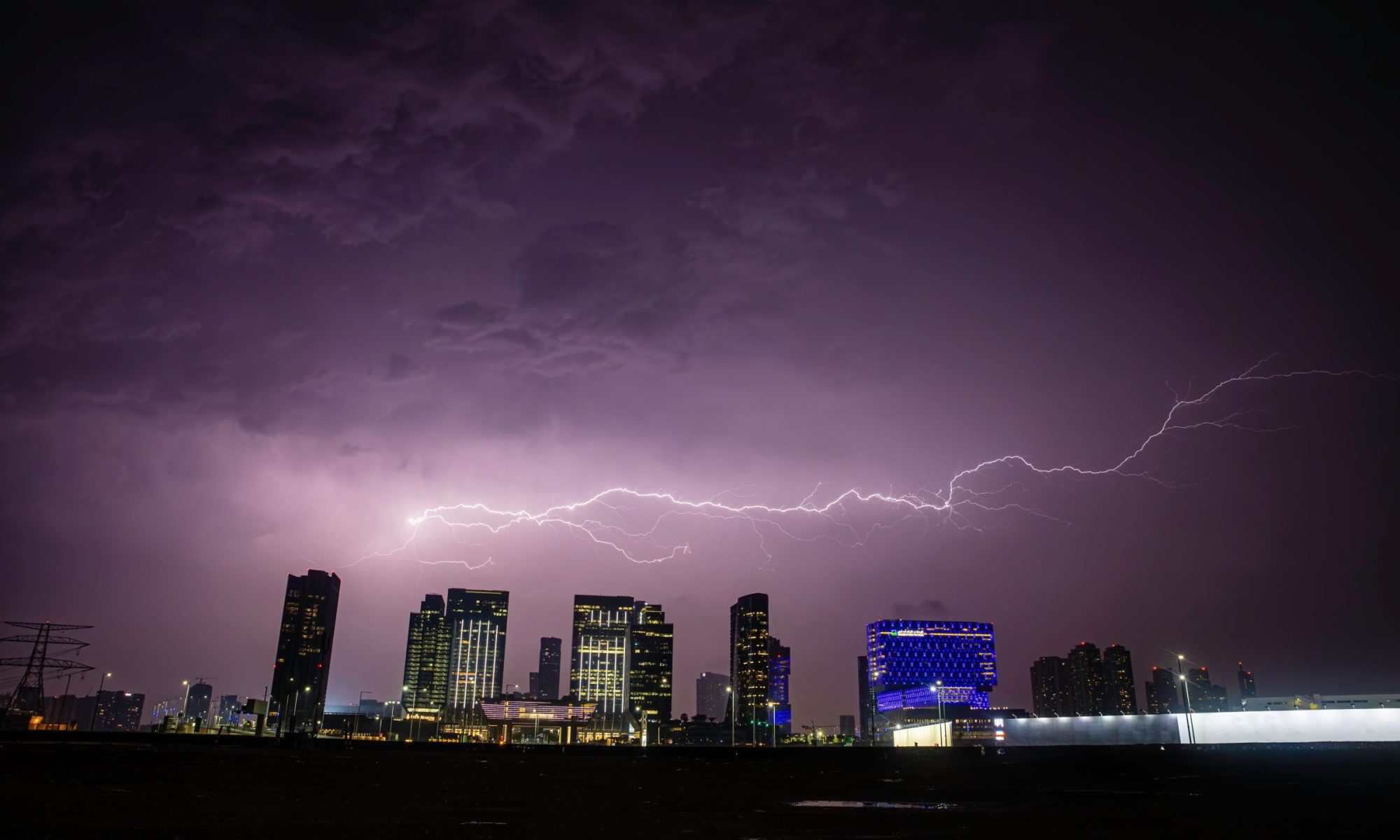
An unusually destructive storm brought more than a year’s worth of rain to the UAE in one day in April 2024, causing widespread flooding that shut roads, flooded homes, delayed flights and damaged businesses.
If you guessed climate change was responsible for the problems, you’re partially right.
In a new study published in Climate and Atmospheric Science, a Khalifa University team led by Diana Francis reports that warmer temperatures caused by climate change increased the amount of moisture in the atmosphere, fueling heavier rainfall. Expanding cities and growing populations, meanwhile, amplified the impacts.
 CAPTION: Diana Francis IMAGE: Khalifa University
The researchers used weather observations, climate models and satellite imagery to examine what caused the storm and why its effects were so severe. They found that human-caused warming increased the rainfall’s intensity, although natural weather patterns also played an important role.
The study also showed that the UAE’s rapid urban expansion increased its vulnerability to extreme weather. Roads, buildings and airports were hit hardest in densely populated areas where concrete and asphalt prevent rainwater from soaking into the ground.
Satellite images revealed that the most heavily urbanized parts of Dubai and Abu Dhabi experienced the greatest impacts from flooding.
The takeaway: The April 2024 storm offers a glimpse of what cities in arid regions may face more often as the climate warms, the researchers say.
More like this: The immensity of intensity