The green and golden bell frogs are among many amphibian populations the world over threatened by chytrid fungus. But a new frog sauna in your backyard could save their lives.
The chytrid fungus, or more specifically, Batrachochytrium dendrobatidis (Bd), causes a disease called chytridiomycosis.
“For more than half of the amphibian species currently classified as Critically Endangered, disease is a primary cause. In fact, 80 percent of all amphibian extinctions recorded since the 1980s have been caused by the Bd chytrid fungus pandemic.
Today, Bd is directly threatening 600 species, with an additional 75 species in its path,” says Amphibian Ark.
Frogs seem to be hit the hardest, and the green and golden bell frogs of southwestern Australia are on the brink of extinction with the chytrid fungus spreading rapidly.
The fungus’ zoospores, once shed by an infected frog, can survive for weeks in water with the right temperature, searching for a new host.
After it latches onto a new, unsuspecting amphibian, it impacts the keratin skin layer. Frogs’ skin is imperative to their survival since they depend on its permeability for respiration, water and electrolyte balance.
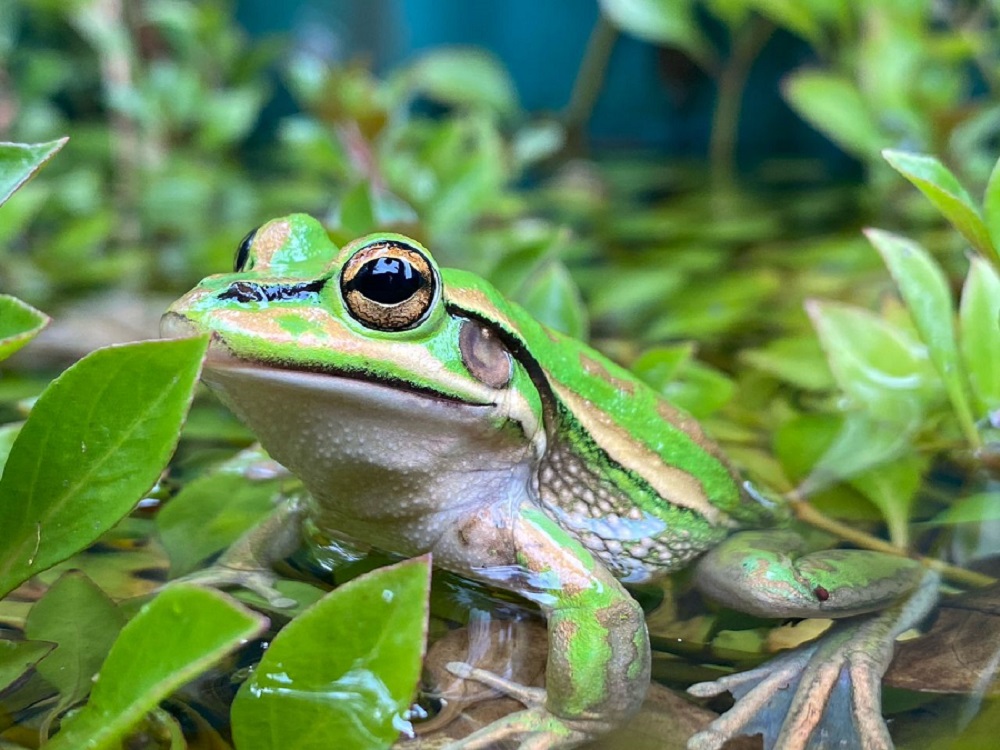 IMAGE CREDIT: Anthony Waddle
Once the skin is taken over by the fungus, and these vital functions cease, it ultimately leads to heart failure.
So how do we fix the problem?
Well, we can’t get rid of the fungus, so conservation biologist Anthony Waddle is doing some award-winning recon by building the frogs a sauna.
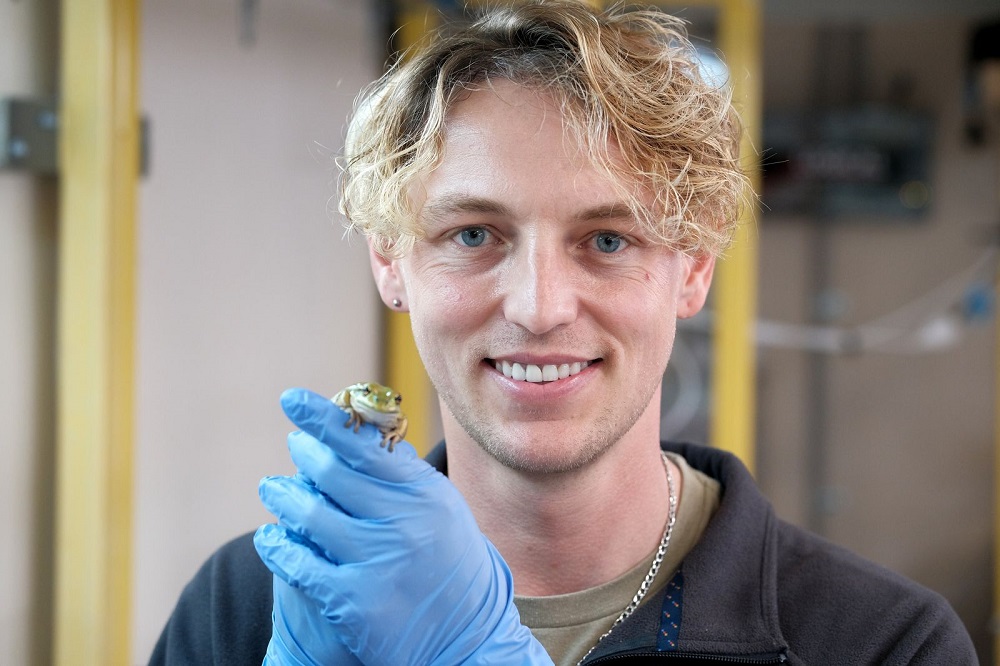 CAPTION: Conservation biologist, Anthony Waddle IMAGE CREDIT: Yorick Lambreghts
The chytrid fungus thrives in cooler temperatures, so even a temperature of 28 degrees Celsius can help.
The theory has existed since 2013, when tree frog researchers in Australia noticed higher populations in areas with rocks or boulders that absorbed heat from the sun during daylight hours and hypothesized the frogs sheltered themselves around the warmth.
Waddle and his team decided to test the theory with a variety of sauna designs. The final design is a simple greenhouse shape with stacked masonry bricks covered in translucent plastic. The bricks have small holes for convenient entry and exit so our froggy friends can sauna with ease.
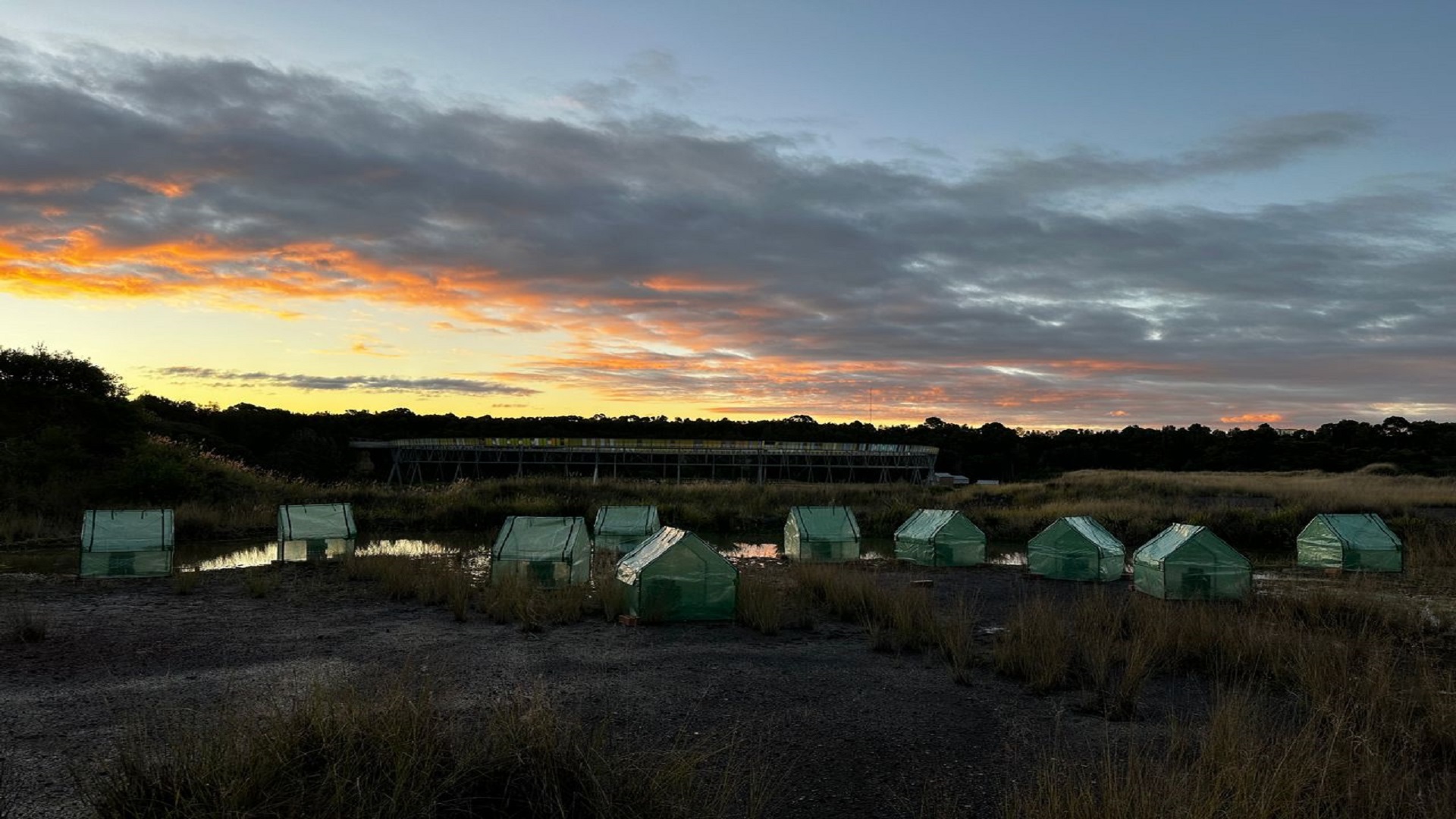 CAPTION: Frogs saunas in the wild IMAGE: Anthony Waddle
For this work, Waddle was awarded the 2025 Future for Nature Award. He will use the prize money to grow the impact via vaccines and engaging local councils and the public to build frog saunas. “I am so excited that our work is getting attention and that folks are passionate about helping our struggling frog populations,” Waddle tells KUST Review.
In the meantime the team has created simple how-to videos so that anyone can get involved. Though several greenhouse suppliers have posted the videos on their websites, the team hopes to get as many community members as possible to hop on board. The frogs will naturally seek out the sauna as they instinctually understand the benefits.
Ultimately, if you build it, they will come.
More like this: Thirsty? Science hops to it