UAE growing food security
with new agritourism park

The UAE is known around the world for having the biggest and best of many things, from the world’s fastest roller coaster to the world’s tallest tower. Now the nation is making itself known for the biggest and best in agritourism.

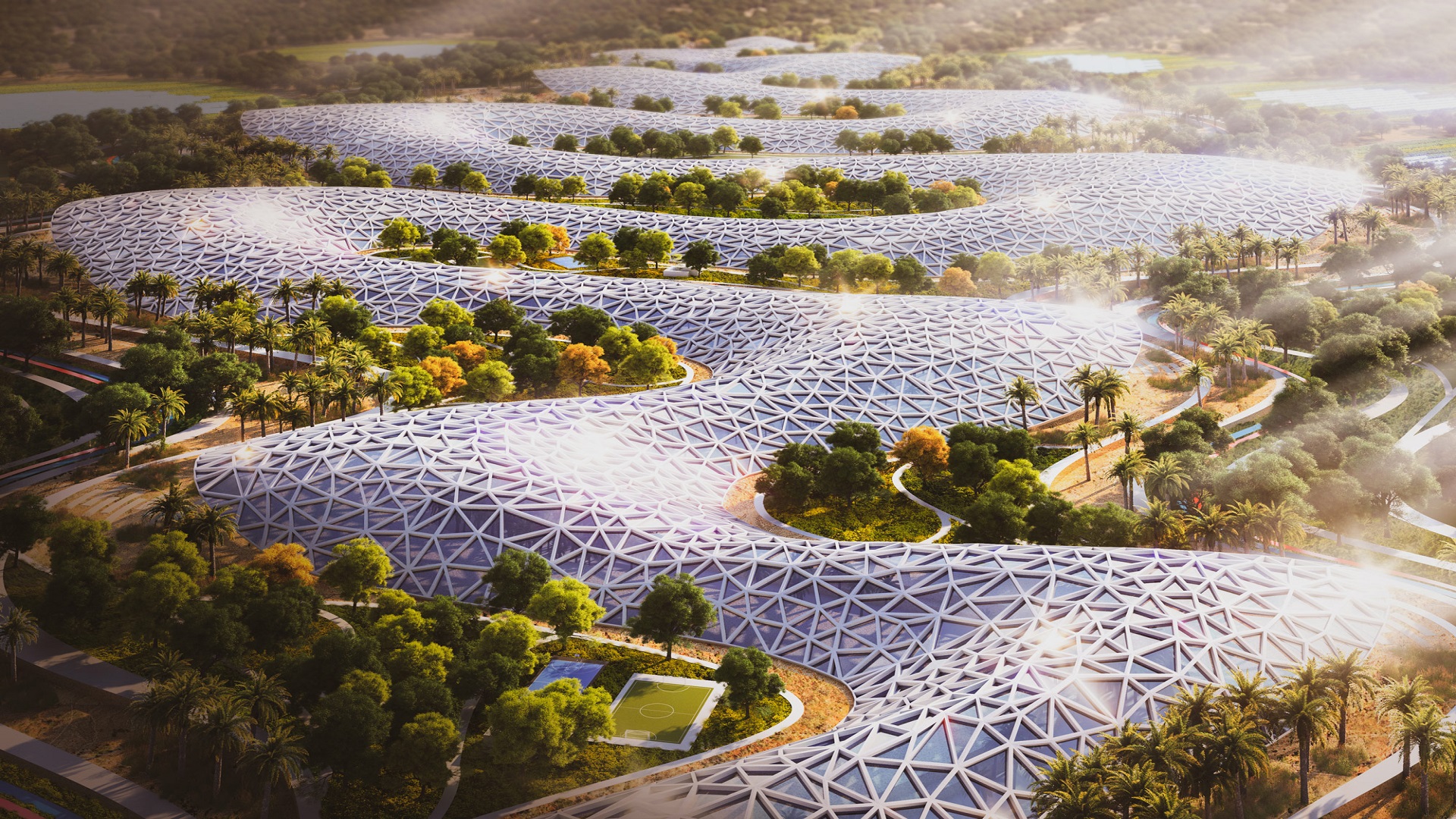
The UAE announced a plan in 2022 to build the largest agritourism park in the world. The park is set to begin construction in 2025 and open in 2030. The park will employ an estimated 10,000 people and host a fully green transit system and bio-saline agriculture.

While agritourism has been around since the end of the 19th century — in the form of city dwellers traveling in summer to visit family-owned farms — it is now a growing trend in sustainability and a popular choice for family vacations.

Activities in agritourism include anything from sampling food to an authentic farm-life experience in which a family might lodge on the farm and participate in daily operations. Many might have experienced agritourism and not even realized it when visiting a petting zoo, eating at a farm-to-table restaurant or picking berries.

Essentially, farmers or producers open their doors to the public for education, entertainment and an additional income stream. For some, however, it’s also about food security.

In a nation with a complicated climate and the pandemic highlighting difficulties with reliance on supply chains, food security is a major focus for the UAE. Approximately 90 percent of consumed food in the country is imported.

Credit: URB

In arid regions like the Middle East, developing technologies like vertical farms, a 400-hectare wheat farm fed by desalinated water in the desert and the world’s largest agritourism park are creating opportunities to become less reliant on imports.

The UAE’s leaders have expressed interest in becoming self-sufficient through driving local food production, incentivizing foreign investment and reducing red tape.

In a food and agriculture forum at EXPO 2021, Minister of Climate Change and Environment and Minister of State for Food Security Mariam Al Mheiri said, “We all share a vision for making our food system innovative, resilient and ultimately sustainable through increasing investment in agriculture research and development,” the National reported.

In 2021, the global agritourism market was appraised at $U.S.45,395 million and is estimated to reach $U.S.141 billion by 2030.

Desalination has social benefits – and costs, too

A team from the United Arab Emirates, which has limited natural water resources and uses desalination to make seawater drinkable, looked at cases from several countries to identify these factors and their influence on desalination around the world, publishing their findings in the journal Desalination.

“Although the economic and environmental factors have received more attention, there is evidence to suggest that the use of desalination technologies and their associated impacts would most likely exacerbate the existing inequalities in a society,” says Yazan Ibrahim, a former graduate student and research engineer at Khalifa University who joined New York University, Abu Dhabi, for his Ph.D. in 2021.

RELATED: Solar-powered desalination plants could help achieve global water security

“This was attributed to the increased greenhouse-gas emissions, increased water prices, urban-growth motivation, shifting geopolitical relations related to water security and increased chemical pollution,” he says. The research team used a SWOT (Strengths, Weaknesses, Opportunities, Threats) analysis as the framework for a critical review of the sociopolitical factors that impact the adoption and proliferation of desalination.

A SWOT analysis is typically employed to help gain insights into the strengths and opportunities of an initiative or concept as well as the associated weaknesses and threats.

“We defined ‘sociopolitical’ factors as factors with a significant social dimension, which have either underlying social, economic or political root causes and consequences within those spheres,” Ibrahim says. “We identified eight strengths and opportunities, and seven weaknesses and threats.”

The strengths and opportunities include fast deployment and low physical footprint that comes with some desalination technologies with the potential to help remote communities and tourist facilities flourish.

Many factors are at play when it comes to the sociopolitical dimension of desalination. A holistic approach to this subject is essential.

Yazan Ibrahim, researcher

Desalination can significantly enhance the water security of a nation, while also supporting regional stabilities by evading conflict over water resources.

Local employment opportunities during the construction and operation of desalination plants are another benefit, but easy access to water also means more work and education opportunities for women who might otherwise be tasked with the time-consuming work of sourcing and carrying water.

Most-cited weaknesses include the visual impacts, noise and land-use issues. Beyond this: the unintended consequences of excessive reliance on desalination and the potential impacts of poor mineralization of desalinated water on human health.

Freshwater contains minerals that may offer health benefits, and it’s not yet understood if desalinated water that has not been re-mineralized could have adverse health effects.

Threats to desalination also stem from social tension among those who mistrust the technologies as well as the wide range of human and natural threats to operation ranging from cyberattacks to natural disasters and oil spills.

The team’s research makes it clear that aside from political stability, water security and economic growth, desalination can also boost tourism, agriculture and education.

“Since its inception, desalination has delivered a range of benefits to societies in arid regions and supported their economic development and political stability. It must be recognized, however, that many factors are at play when it comes to the sociopolitical dimension of desalination. A holistic approach to this subject is essential,” Ibrahim says.

Camels switch off their kidneys
to survive dehydration threats

To better understand how the Arabian camel manages to preserve water, a team from University of Bristol, United Arab Emirates University and Khalifa University examined the genes in the kidneys of Arabian camels exposed to chronic dehydration to determine how the animals can survive long periods of time in harsh conditions without access to water and what humanity could possibly learn from this.

The results were published in Communications Biology.

“Extensive evidence shows the impressive set of adaptations that allows a camel to thrive in desert environments, despite sometimes needing to survive for weeks without access to water,” says team lead Abdu Adem, Ph.D., a professor of pharmacology at Khalifa University. “Behavioral and physiological adaptations ensure that water is never wasted. Camels will only eat the leaves of plants, they avoid exposure to direct sunlight where possible, restrict reproduction to the cooler winter season, and drink very large amounts of water when available to compensate for any fluid deficiency from their desert wandering.”

Camels have been known to drink 30 gallons of water in just 13 minutes, but even here they have an evolutionary adaptation to avoid osmotic shock, or a sudden change in the solute concentration around a cell: They absorb the water very slowly.

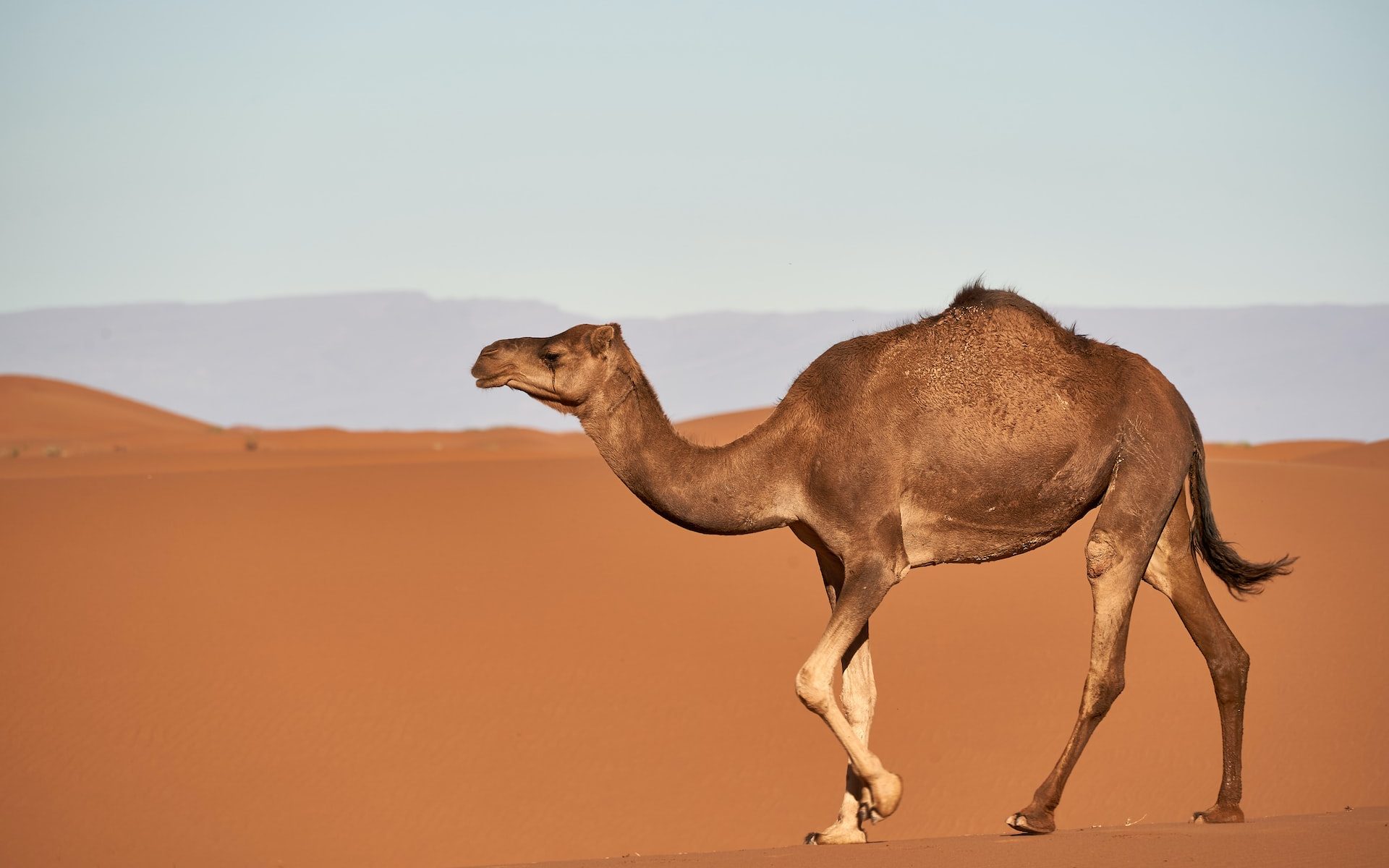
The kidney that plays the largest role in conserving water for a camel, and it is from the camel kidney that humans can take inspiration. IMAGE: Unsplash

An intricate nasal passage prevents too much water loss when the camel breathes out, but more importantly, water evaporates from the surface of the nostrils to moisturize dry air when the camel breathes in, helping to cool the blood in the veins of the nose.

Thanks to thin blood-vessel walls, this cooler venous blood can help cool the blood in the arteries leading to the brain, meaning the camel’s brain is considerably lower in temperature than the body core.

Even the red blood cells themselves have a special shape shown to be advantageous in withstanding dehydration.

On top of all this, camels rarely sweat, even in the searing temperatures of the desert, all helping to conserve water.

Our analysis suggests that genes with known roles in water conservation are affected by changes in cholesterol levels. Suppressing the production of cholesterol may help the kidney retain water.

Abdu Adem, Khalifa University professor of pharmacology

Yet, despite all these advantages, it is the kidney that plays the largest role in conserving water for a camel, and it is from the camel kidney that humans can take inspiration.

“In the current context of climate change, there is renewed interest in the mechanisms that enable camels and camelids to survive in arid conditions,” Adem says. “We investigated the camel kidney to see how gene expression has been influenced by chronic dehydration and rapid rehydration. Our analysis suggests that genes with known roles in water conservation are affected by changes in cholesterol levels. Suppressing the production of cholesterol may help the kidney retain water.”

Yet, despite all these advantages, it is the kidney that plays the largest role in conserving water for a camel, and it is from the camel kidney that humans can take inspiration.

“In the current context of climate change, there is renewed interest in the mechanisms that enable camels and camelids to survive in arid conditions,” Adem says. “We investigated the camel kidney to see how gene expression has been influenced by chronic dehydration and rapid rehydration. Our analysis suggests that genes with known roles in water conservation are affected by changes in cholesterol levels. Suppressing the production of cholesterol may help the kidney retain water.”

Camels produce highly concentrated urine, preserving as much water as possible. To produce such urine, the kidney must possess certain anatomical features.

Previous research has shown that the kidney of a young camel differs in structure from that of an adult, suggesting that the differences may be related to a greater degree of water deprivation experienced by adult animals. This would suggest that chronic dehydration causes genes in the adult camel kidney to be expressed differently, allowing the kidney to better preserve water.

The research team noted that the amount of cholesterol in the kidney has a role in the water-conservation process. In dehydrated camel kidneys, there was less cholesterol in the kidney membranes, and the genes that control the production of cholesterol were suppressed.

“We found remarkable changes in the amounts of specific genes and proteins in the kidney of the one-humped Arabian camel during severe dehydration and subsequent acute rehydration,” Adem says. “Our data suggests that the suppression of genes involved in cholesterol biosynthesis and the subsequent reduction in membrane cholesterol are a global response in the kidney to dehydration.”

We found remarkable changes in the amounts of specific genes and proteins in the kidney of the one-humped Arabian camel during severe dehydration and subsequent acute rehydration.

Abdu Adem

Several ion channels and transporters are regulated by changes in the level of cholesterol in the cell. Dehydration and excessive heat cause electrolyte imbalances in the body, and the kidneys are one factor in keeping electrolyte levels balanced.

If there is an increase of cholesterol in the membrane of the kidney, movement through the ion channels is blocked. When cholesterol levels are lowered, water and electrolytes can move across different parts of the kidney, which helps reabsorb water and produce a highly concentrated urine.

The researchers found that during the summer, the gene that regulates the production of a protein called aquaporin 2 is expressed more, presumably in preparation for the more challenging conditions of the season.

Aquaporin 2 forms a channel in cell membranes to allow water molecules to pass through. During periods of dehydration, aquaporin 2 channels are inserted into the membranes of kidney cells, which allows water to be reabsorbed into the bloodstream, making the urine more concentrated.

The researchers found that when cholesterol was depleted, aquaporin 2 levels increased.

When the camel rehydrates, the gene expression is suppressed, the channels close and the expression of cholesterol synthesis genes returns to normal levels.

While this new knowledge contributes to our understanding of the immense evolutionary advantages the Arabian camel uses to survive in the desert, it could more importantly help humanity better adapt to advancing desertification amid climate change. Understanding the mechanisms of water control in dehydration could allow us to apply the principles to water conservation across a wide variety of disciplines.

‘Can we take a picture with you?’ Saying no
takes on new meaning across cultures

It’s never nice to have a request denied. But everyone needs to refuse a request every now and again, for many reasons. However, cultural diversity between speakers may mean that although one participant would be unaffected by a simple and direct “no,” another may need more from the refuser to save face in a potentially unpleasant situation.

Tanju Deveci and Jessica Midraj, both in Khalifa University’s Department of English, investigated how Emiratis navigate the cross-cultural difficulties of saying “no” when responding to requests for photographs.

Although the reasons for refusing may relate to social forces and cultural norms, the language used and the way Emiratis phrase their refusals is not as clearly researched. Deveci and Midraj asked 94 students how they would respond to a request for a photograph by strangers and published their research in the Russian Journal of Linguistics.

“Awareness of socio-cultural rules is essential for effective communication with people from different cultures,” the authors say. “Not only does this awareness include social norms, but it also includes ways in which language should be used to achieve communication aims. Communicating with people from the same cultural background as us is usually easier than communicating with people from foreign cultures.”

Although English is the most popular language used between people of different cultures and countries, it is not generally the meanings of words that cause difficulties. After all, there’s more to fluency in a language than mastery of grammar and vocabulary; a speaker also needs to be able to produce language that is socially and culturally appropriate.

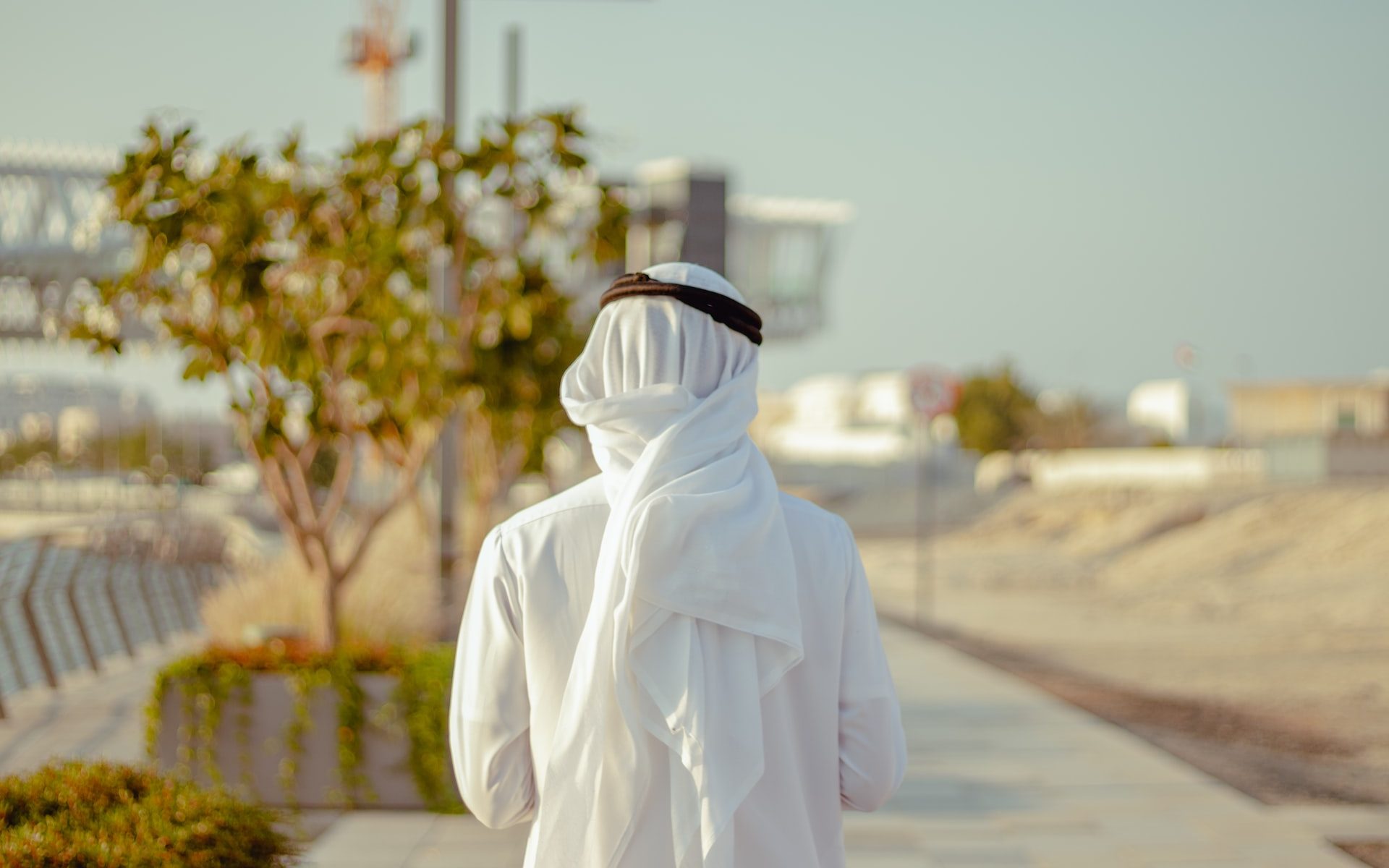
CAPTION: More tourists are visiting the UAE. IMAGE: Matthew Foulds for Unsplash

“Given the advances in technology and increased opportunities for international travel, we interact with people from foreign cultures more frequently than ever,” the authors say. “Differences between cultural norms still causes challenges. Our competence in a language largely depends on our knowledge of how that language is socially appropriate.”

Sociolinguistics covers the effects of any and all aspects of society on the way language is used. This includes cultural norms, expectations and context, and considers how social attitudes determine what is considered appropriate language in a particular setting. For example, determining whether slang is appropriate in a conversation is a daily application of sociolinguistics.

“Using language in socio-linguistically appropriate ways is particularly important in countries where English is predominantly used by people from different linguistic backgrounds for daily activities,” explain the authors, who note that 88.52 percent of the United Arab Emirates’ residents are expatriates from various countries.

The country is also seeing an increasing number of tourists.

“Tourism adds to the existing diversity of cultures within the region, increasing the opportunity for people of different cultures to interact,” the authors say. “However, this also brings language and culture-related challenges for the tourists, expatriates and Emiratis, requiring all parties to have intercultural communication competence skills alongside language skills.”

Intercultural communication competence (ICC) is the ability to communicate effectively and appropriately with people of other cultures and can be thought of as cultural awareness. Lack of awareness of cultural tendencies can create communication breakdowns. One such example is the refusal speech act, where one refuses a request.

In linguistics, a speech act both presents information but performs an action as well. In their study with 94 Emirati English speakers enrolled in university, the authors used the following example, where a tourist couple asks:

“Your national clothes look very interesting, and you look so nice in them! Would you mind if we have a photo taken with you?”

The study investigated Emiratis’ use of the English language for the refusal speech act. With possible negative impacts on both the hearer and the speaker, refusals can be a particularly distressing speech act. By refusing a request, the speaker may come across as impolite or disapproving but a refusal can also be considered a cultural act.

Hard to say no

“The refusal speech act likely causes distress to the speaker,” the authors say. “Likewise, a lack of awareness of an Emirati’s communication tendencies and preferred ways of language use may result in the non-Emiratis feeling uneasy and awkward.”

The participants in the study indicated that they would feel fairly comfortable talking to a tourist couple they have never met before but gender appeared to influence responses to the request for a photograph.

Male participants indicated that they would feel more comfortable than the female participants accepting a request to take a photo. The results showed that 58.5 percent would accept the request, while 32 percent would reject the request and 9.5 percent would offer an alternative suggestion, essentially rejecting the initial request.

The influence of gender on speech acts of refusal varies depending on a multitude of sociocultural factors. Men may use more direct refusals, simply saying “no,” where women are more likely to employ “negative willingness,” saying things such as “OK, but only with my face covered.”

A considerably higher number of female participants indicated they would either reject the request or offer an alternative, with 31 percent of the refusal speech acts including a statement of regret, rather than a direct “no.” The female participants were also more likely to give a reason for their reluctance to be photographed, with five reasons related to tradition or culture. Additionally, only female participants used intensifiers in their refusals: “so,” “very” or “really” such as “I am really sorry.”

“It’s important to note that well over one-third of the participants stated they would either reject the request or suggest a condition, with female participants refusing more than male participants,” the authors say. “Alternatives raised by the female participants included covering their faces or allowing the photo with the female tourist only. It is also important to note the avoidance by all participants of the negation word ‘no’ and their tendency to apologize to the requester.”

Refusals exist in all languages, but their performance differs across cultures.

Softening the blow

The authors suggest that in the UAE, using certain linguistic features to make the hearer feel at ease is common when refusing a request.

Prompted by the urge to keep a tourist “interested and attached to the place visited,” a speaker is more likely to use positive politeness strategies, with men more likely to use a statement of regret and women more likely to provide an excuse or a reason. This supports previous research that gender responses may be influenced by situational and sociocultural factors, however the lack of literature on Emirati language use prevents any stronger conclusions.

Although the sample size for this study was small, the results show certain trends in language use by young Emiratis with a set of cultural values. More general research into the refusal speech act used by the Emirati population could consider different types of situations, age groups and social distance between speakers, which could provide more insight into the specific uses within the culture and across cultures.

“The refusal speech act can be a nervous event that every human will experience,” the authors say. “Saying no can be more formidable during exchanges with people from distinct cultures from our own. The fact that we are able to and required to interact with people from other cultures means we have to develop an understanding of the nuances of communication and appropriate responses so that everyone in the interaction can be comfortable.”

The study participants were students registered in the authors’ Introduction to Applied Linguistics classes. In involving the students in the research, the authors aimed to help them understand the course contents better, while also contributing to a greater understanding of Emirati utilization of the refusal speech act.