

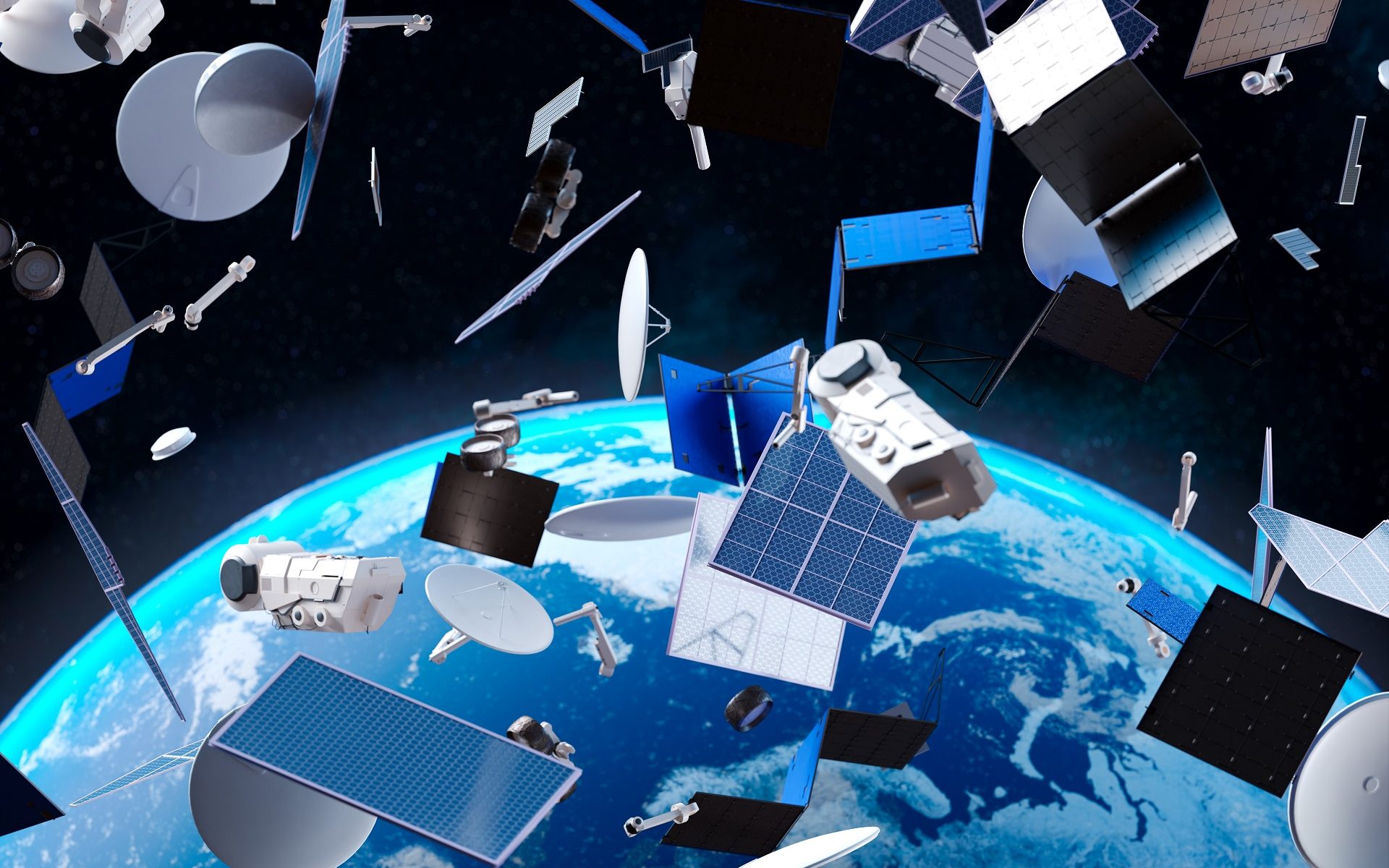
As space debris becomes an increasing threat to operational in Earth’s orbit, researchers from Khalifa University have developed a new approach to tracking it using vision sensors aboard satellites and advanced data fusion techniques.
Traditionally, most space debris is tracked from the ground, using radar and telescopes. Ground-based tracking is limited by weather, atmospheric distortion and visibility constraints, but satellites equipped with the right sensors can continuously monitor debris from space, independent of weather and lighting conditions. The challenges lie in making these systems both accurate and efficient.
The research, published in Acta Astronautica, tackles this by developing a data fusion framework that processes and combines measurements from multiple satellites to improve tracking accuracy. Beyond tracking space debris, this framework could be used for future space operations, including interplanetary exploration, space tourism and satellite-based internet services.
More: Cleaning up our space
