
The human phenotype project

A new study tracking over 28,000 participants published in Nature Medicine embarking on a Human Phenotype Project (HPP) aims to identify health problems before they show up in the body.

The HPP takes a deep dive in the genes, metabolism, gut microbiome and daily lifestyle habits and hopes to change how we think about health.

Over 13,000 volunteers have already completed their initial check-up, and wearable gadgets like sleep trackers and glucose monitors are producing volumes of data. The goal is to understand how individuals migrate from healthy to ill and how to stop it from happening.

Initial results indicate significant difference in health markers depending on factors like age and ethnicity, implying that the typical “normal ranges” doctors use might be too one-size-fits-all.

Early results show the AI-powered models are better than the usual tools at predicting those who might be at risk for things like diabetes and have picked up on gut bacteria linked to breast cancer and inflammatory bowel disease.

The end game is that every human could have a digital twin to simulate health progression and test how medical treatments and lifestyle changes could affect us beforehand.

This is a 25-year plan, and with international growth on the horizon, the Human Phenotype Project could change the way medicine is practiced forever.

More like this: The AI will see you now

Warning signs of MS

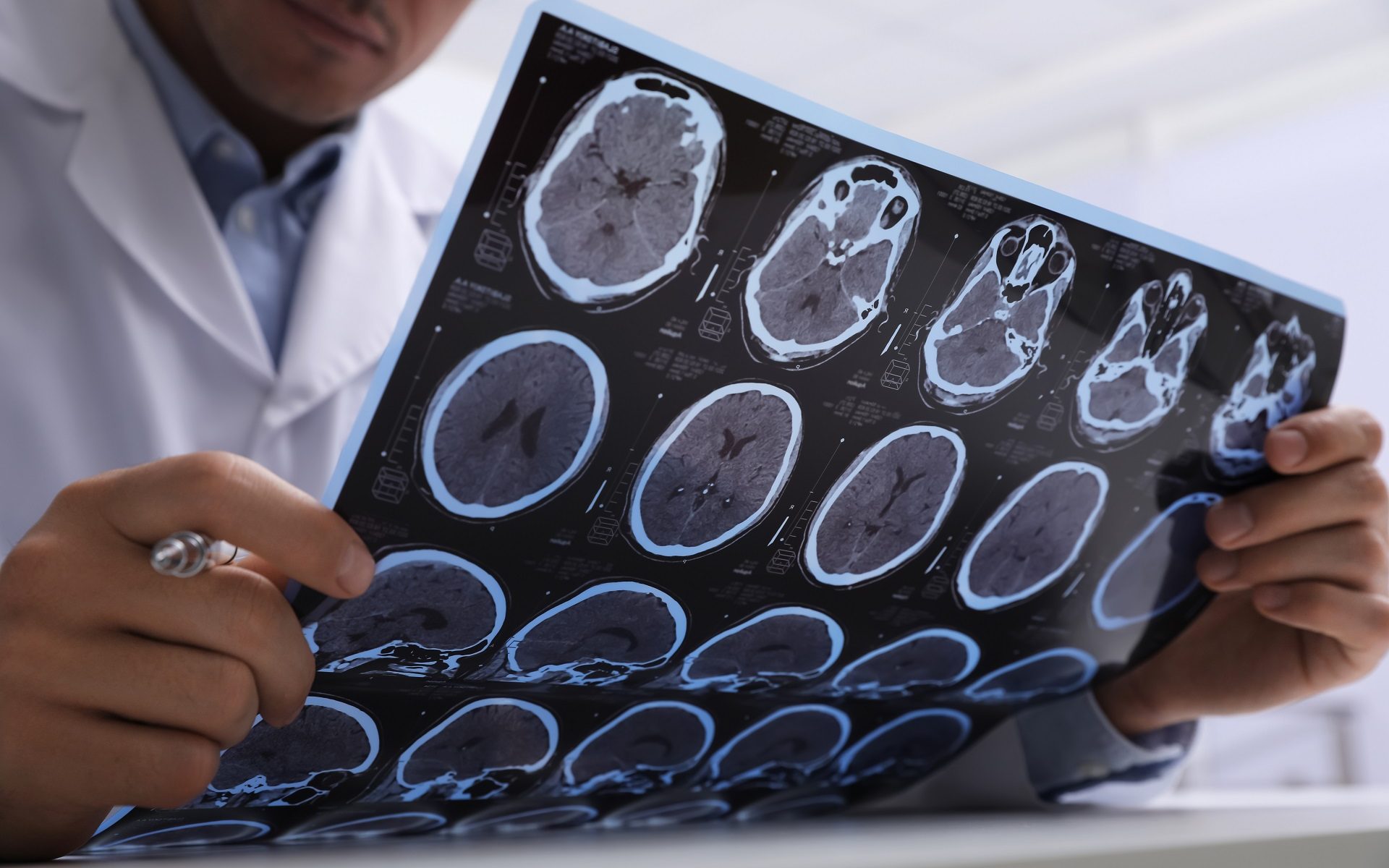
A new study published in Nature Medicine identifies a new type of brain lesion in patients with multiple sclerosis (MS) that might be an indicator of fast disease progression.

These broad rim lesions (BRLs) were mainly discovered in those whose MS progressed quickly, indicating they are an important clue for doctors.

BRLs are like hotspots of inflammation. They have a thick, active outer layer that is filled with immune cells that appear to create discord in the spinal cord and brain. Patients with these lesions were more prone to quicker disability and had more damage in essential parts of the nervous system.

By studying donor brain tissue and using high-tech imaging like PET scans, researchers were able to identify the lesions while people were still living. They were also able to identify a unique pattern of gene activity in BRLs and signs of stress inside cells.

Notably, the lesions may be used to predict the potential rapid decline of MS patients. Additionally, the research team identified possible targets for new treatments that may help to slow or stop the damage.

The findings may assist in earlier diagnosis, more effective treatment and possible new drugs for those facing aggressive forms of MS.

More like this: Launching medical research