Killing cancer cells is tricky business, partly because they can be hard to find. Those tricky cells are good at hiding, but researchers are on to them. It seems their “invisibility cloak” is made up of a sugary coating that can now be detected.
The study, published in Science, shows that leukemia cells coat themselves in a slippery, sugar-coated protein called CD43. This shield makes it difficult for the body’s immune system to grab and destroy them.
When researchers removed the CD43, they found that immune cells were suddenly more adept at doing their job.
The sugar coating acts both as a barrier and a disguise — cancer cells are harder to reach, and the signals received by cells like macrophages, the body’s cleaning crew, says “don’t attack me.” This combination is what scientists are referring to as a glyco-immune barrier.
Notably, the barrier isn’t evading only one type of immune cell, it also interferes with natural killer cells and T cells, which are instrumental in fighting cancer.
The next step is for scientists is to figure out a way to strip away this sugary cloak at scale, which could make existing cancer treatments like immunotherapy more effective.
From October to February in the Northern Hemisphere, temperatures drop, weather changes and the flu virus gets handed around like a Pass the Parcel game at a birthday party. Except this is the gift that no one wants.
This flu season is expected to be one of the worst on record, but experts say we’re prepared.
Listen to the Deep Dive:
To get through the annual flu season, the global population equips itself with immune-boosting hacks and symptom-suppressing meds.
Many choose to treat symptoms with home remedies.
Sore throat? Try honey and warm tea. Or licorice root tea. Or apple cider vinegar. Clogged sinuses? Try a warm compress. Or ginger and turmeric tea. Or apple cider vinegar. Cough? Try peppermint. Or a humidifier. Or, you guessed it, apple cider vinegar.
The immune system is the sensing system, so it’s really in tune with what you’re doing within your daily life,
– Jenna Macciochi, immunologist at University of Sussex
There are a lot of hacks to make us feel temporarily better, but what is it that will get us better quicker or help us avoid the flu altogether?
The annual flu vaccine is a good start. But do you need it if you had it just last year?
“Scientists develop new vaccines that will offer protection against the new strains that are most likely to make you unwell that year. Our immunity also decreases over time, so an annual vaccine is the best way to ensure you’re protected,” the website says.
And the vaccine isn’t just for the most at risk, like the elderly or immunocompromised, it’s for everyone: “The virus can infect even the healthiest of individuals and when serious, can lead to hospitalization and even death.”
It’s best to protect yourself and those around you but if you happen to contract the flu virus, you can pound back a couple of Panadol Daytimes, which mask clogged sinuses, sneezes, body pain and runny eyeballs, or you can listen to what the experts say.
And they say rest and listening to our bodies is the best medicine.
In a 2024 episode of the Zoe Science and Nutrition Podcast, Jenna Macciochi, an immunologist at the University of Sussex in the U.K., said our bodies are always communicating with us.
“Immune cells are putting out chemical messengers that are acting on your brain to change your behavior. And these are called sickness behaviors.
Because we don’t want you with your infection going about your daily life, walking down the street, going into the office, speaking to people, because A, you’re going to spread that infection, and B, you’re consuming energy that your body could instead put into getting well again,” Macciochi says.
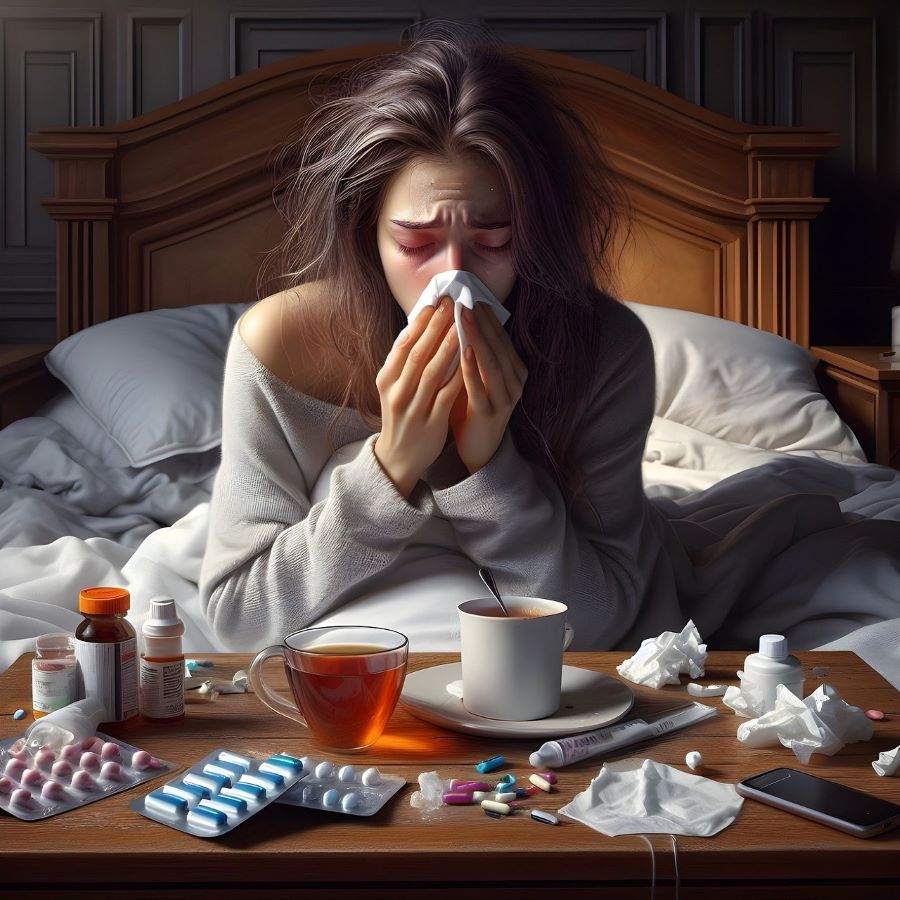
IMAGE: Pixabay-AI
The problem is, slowing down is not always easy, so we often rely on symptom-suppressing pharmaceuticals.
Our body is fatigued when we have the flu because it wants us to put our daily activities on hold to preserve energy in order to activate the immune response to fight off the infection. “There’s sort of like a metabolic switch that says, OK, person’s going to feel tired because we need that energy for the immune cells,” she says.
Ignoring our body’s need for rest is why symptoms often hang around longer than we expect.
The best way to combat the flu, however, is to be proactive.
This doesn’t mean boosting our immune system or power-drinking vitamin C during flu season. In fact, that won’t help you. But taking care of your immune system year-round will.
Macciochi says she believes we need to start thinking differently about our immune systems. “The immune system is the sensing system, so it’s really in tune with what you’re doing within your daily life,” Macciochi says.
There might be something that contains a certain amount of vitamin C, which means they can use that immune-boosting wording on their packaging, but it’s not going to make you invincible.
– Jenna Macciochi, immunologist at University of Sussex
Immune cells come in a variety of types. They aren’t solely responsible for fighting off flus or colds. Each kind of immune cell has its own job.
If we break a bone, for example, there is often tissue damage. When the damage is detected, the tissue brings immune cells to the injury location to start the healing process.
Macciochi says immune cells are also always on cancer watch. “You have specific immune cells patrolling your body all the time, looking for cancer or potentially cancerous cells, and removing them before they become a problem for your body.”
A 2024 study by researchers at the University of Houston in Texas shows that exercising for 15 minutes daily can boost the level of natural killer cells. These are white blood cells that fight infected and cancerous cells. They are called natural because they don’t require previous exposure to a pathogen in order to destroy it.
While immune boosting and dosing ourselves with vitamin C are popular this time of year, the immune system needs constant attention.
It’s simple, really. We get out of our bodies what we put into them. And since the dawn of convenience food, we are eating much more of the things our systems don’t respond well to.
These include ultra-processed foods that have been found to induce inflammatory responses.
The Harvard School of Public Health says, “Diets that are limited in variety and lower in nutrients, such as consisting primarily of ultra-processed foods and lacking in minimally processed foods, can negatively affect a healthy immune system.”
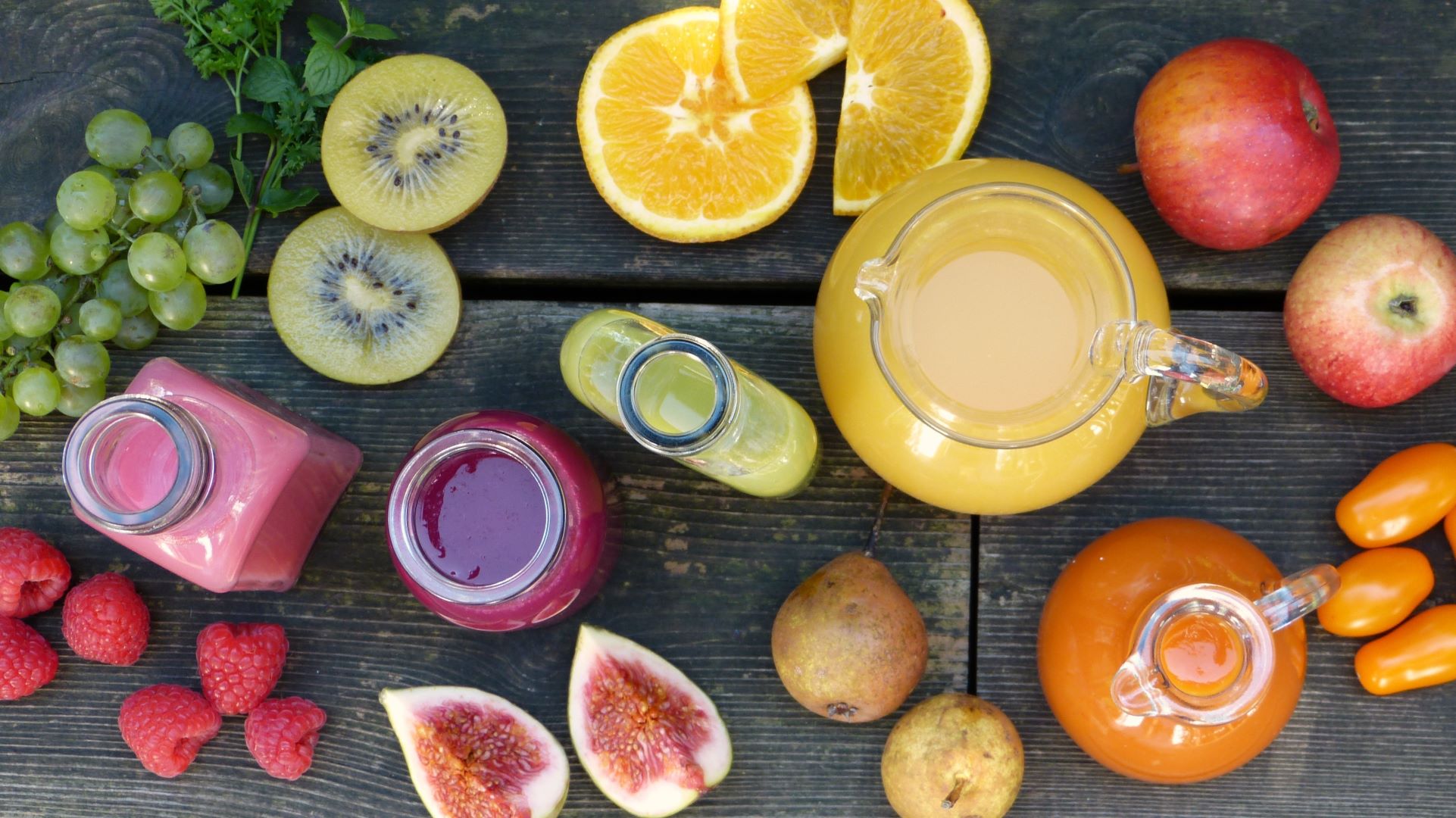
IMAGE: Pixabay
A diet rich in fiber and plant-based foods, including fruits, vegetables, whole grains and legumes, promotes the growth and sustenance of beneficial microbes. Some of these microbes convert fibers into short-chain fatty acids, which have been found to enhance the activity of immune cells.
With a diet like this, the body will have adequate vitamins for each stage of the body’s immune response. Micronutrients like vitamin C, vitamin D, zinc, selenium, iron and protein are essential for immune-cell function and growth.
Supplements can help, but overdosing on things like vitamin C will not.
While the body is complex, taking care of it is simple. As per usual, medical and scientific advice tells us it comes down to eating well, exercising and getting proper rest, all year-round, for a flu season that won’t take you out of the game.
The umpteen soaps and toothpaste products on the supermarket shelves that boast germ-fighting chemicals might be doing more harm than good — especially for your kids.
The antibacterial chemical, triclosan, used in household products to inhibit growth of a variety of bacterial and fungal species, has been banned in various products around the globe for good reasons: It has been linked to serious health conditions like endocrine system damage and breast cancer, and could potentially pose significant risk for antimicrobial resistance.
A new study of 347 children aged 1-12, published in Environmental Health Perspectives, reveals that those with higher triclosan levels are also 23 percent more likely to have eczema and 12 percent more likely to struggle with allergies such as hay fever.
Researchers believe that triclosan could wreak havoc on the immune system by disrupting healthy bacteria that train our bodies not to overreact to harmless things like pollen.
This is in line with the hypothesis that suggests too much sanitizing may make kids more allergy prone.
Although in 2020 triclosan was banned from soaps and hand sanitizers, it still finds a way into other products like toothpaste and cutting boards.
If your child struggles with allergies or eczema it is advisable to check labels and be wary of those that include triclosan.