
Pathology SPARK

Looking at tissue under a microscope to identify disease takes on a whole new life with an AI system that comes up with its own research ideas.

The system, called SPARK, behaves like a tiny pathology lab that works at lightning speed and has the ability to decipher patterns linked to cancer risk and treatment response.

The study, published in Nature Medicine, introduces the system using more than 5,400 cancer cases. SPARK scanned routine tissue images from cancers including lung, breast and colorectal tumors and generated and tested hundreds of biologically inspired ideas of its own.

The system found hidden tissue patterns related to essential cancer biomarkers like PD-L1 and MSI, along with clues tied to patient outcomes. Notably, some of the strongest signals came not from the tumor itself, but from nearby immune cells and support cells that were “hanging out” around it.

Researchers even let pathologists type in questions in plain English, which SPARK turned into measurable image analyses — almost like having an AI research assistant.

The tool is still experimental, but scientists say it could lead to a future where AI doesn’t just identify diseases — it helps make discoveries too.

More like this: Cancer can run, but it can no longer hide/a>
Germ-killer making you itchy?

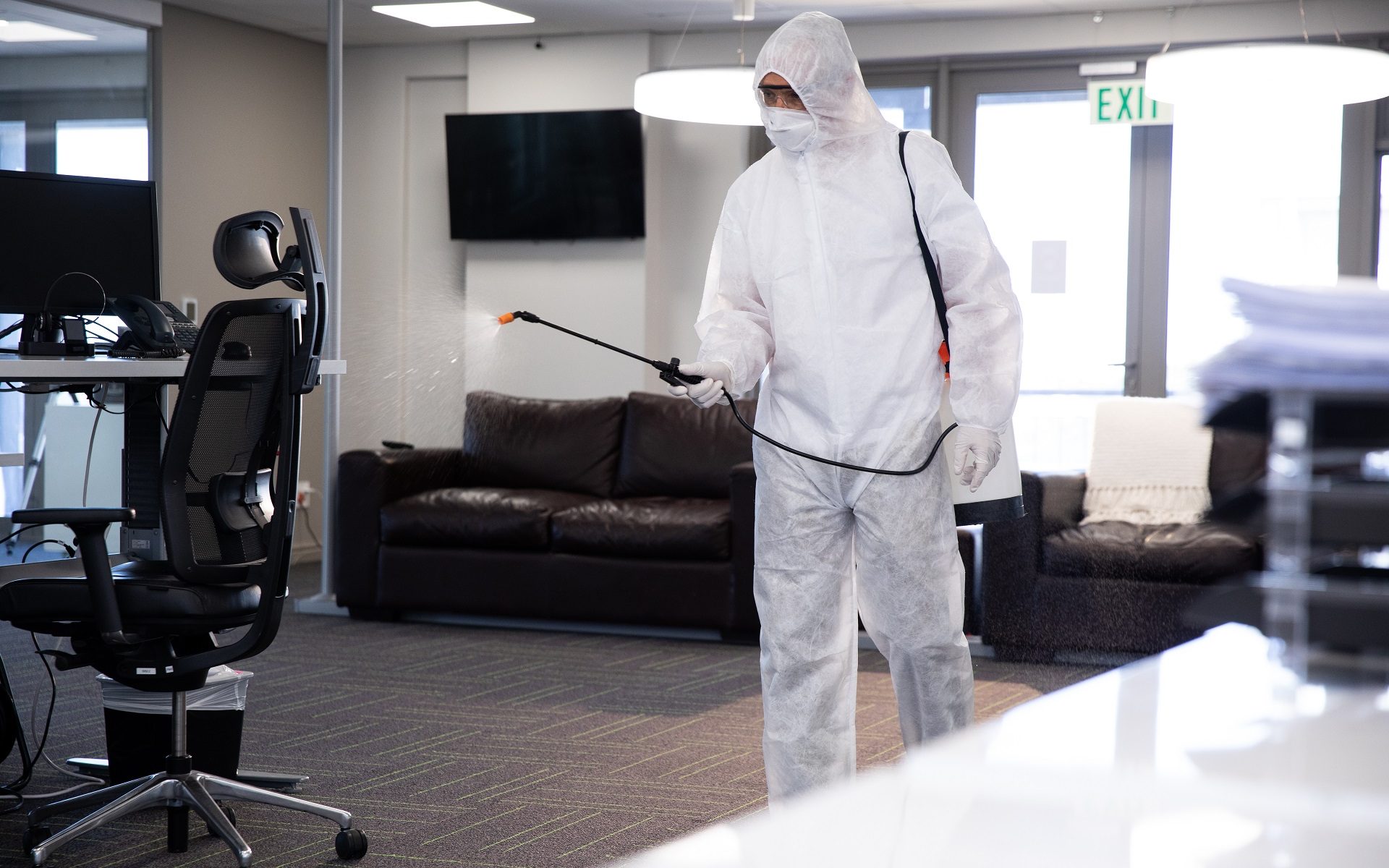
The umpteen soaps and toothpaste products on the supermarket shelves that boast germ-fighting chemicals might be doing more harm than good — especially for your kids.

The antibacterial chemical, triclosan, used in household products to inhibit growth of a variety of bacterial and fungal species, has been banned in various products around the globe for good reasons: It has been linked to serious health conditions like endocrine system damage and breast cancer, and could potentially pose significant risk for antimicrobial resistance.

A new study of 347 children aged 1-12, published in Environmental Health Perspectives, reveals that those with higher triclosan levels are also 23 percent more likely to have eczema and 12 percent more likely to struggle with allergies such as hay fever.

Researchers believe that triclosan could wreak havoc on the immune system by disrupting healthy bacteria that train our bodies not to overreact to harmless things like pollen.

This is in line with the hypothesis that suggests too much sanitizing may make kids more allergy prone.

Although in 2020 triclosan was banned from soaps and hand sanitizers, it still finds a way into other products like toothpaste and cutting boards.

If your child struggles with allergies or eczema it is advisable to check labels and be wary of those that include triclosan.

More like this: This disinfectant is delicious