Nanoplastics everywhere

There’s not a place on Earth free from plastic now. For 75 years, plastic has been a ubiquitous part of the human experience, and since day one, it has been shedding micro- and nanoplastic shards everywhere.

Researchers from Columbia University have now shown why the unique construction that makes plastic so useful also makes it break off into tiny fragments: the layered structure that makes semicrystalline plastic both strong and flexible.

When left alone in water, no sunlight, waves or agitation at all, the softer parts of semicrystalline plastics break down, leading to cracks that release stacks of nanoplastics into the environment.

The tougher, crystalline layers stay intact. The research found that only plastics with a structured, layered design create nanoplastics. These fragments were very different from smooth, lab-made plastic particles, which means they could behave differently in the environment or in living things. A gentle reminder of how much plastic is already found in our oceans, washing machines and water-based human bodies.

More like this: Robot fish has microplastics for lunch

Angry birds

Road noise triggers aggressive shifts in island bird song, a new study suggests.

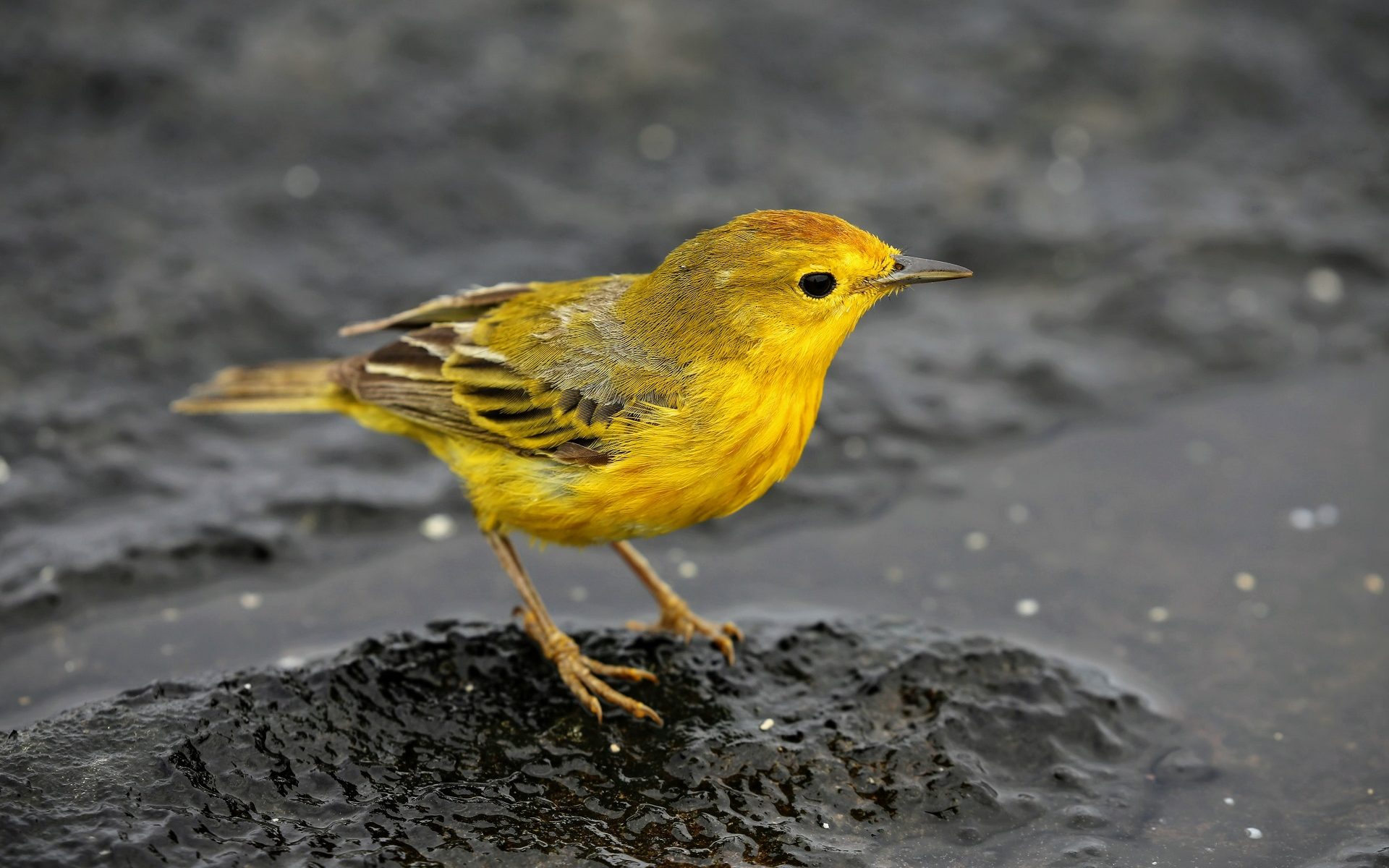
Galapagos yellow warblers show different behavioral responses to traffic noise depending on how close they live to roads.

Researchers from Anglia Ruskin University simulated intrusions into 38 bird territories on two islands – traffic-heavy Santa Cruz and quieter Floreana – playing bird songs with and without added traffic noise.

Warblers near roads became more aggressive when noise was added, while those farther away became less so.

Birds on both islands behaved similarly despite large differences in vehicle traffic, raising concerns about how even low levels of human infrastructure noise can ripple through wildlife populations in fragile ecosystems.

More like this: Birds-of-paradise glow in the dark

Pharmaceutical pollution

Atlantic salmon migrate every year from the Swedish River Dal to the sea, and pharmaceutical waste in the water may be affecting this behavior.

A research team from the Swedish University of Agricultural Sciences and Griffith University’s Australian Rivers Institute found that juvenile salmon exposed to the anti-anxiety drug clobazam were more likely to complete the migration and quicker than unexposed fish. The painkiller tramadol had similar effects, suggesting the drugs disrupt social dynamics and influence risk-taking behaviors.

While this may seem like a positive outcome, the researchers warn that any drug-induced change to natural behavior could have unpredictable and potentially harmful consequences for individual species and wider ecosystems. Published in Science, the findings highlight the growing concern around pharmaceutical pollution, especially psychoactive substances, and underscore the need for improved wastewater treatment.

More like this: Early warning from the sewers

From bug knowledge to
environmental benefits

Citizen science can be fun and educational, but it can also spur interest among students and teachers that may ultimately benefit the environment.

An Australian school science project called Insect Investigators called upon students from 50 schools to participate in a citizen-science project contributing to scientific research. Using special traps, they gathered insect samples for DNA analysis.

The students who enjoyed these activities were more likely to verbalize their intent to do more to help the planet — this includes protecting natural environments and joining similar science projects.

The teachers also began to include more content about entomology, ecosystems and environmental care in the curriculum. Students and teachers in remote areas also felt more connected to the science world and part of something bigger.

Beyond educational impacts, the project provided benefits to regional and remote schools by creating connections with scientists and generating a sense of community involvement and scientific contribution.

These findings were published in Austral Entomology.

More like this: This April become a citizen scientist

A greener education

Countries, governments, corporations and nonprofits around the globe are working to reduce green-house gas emissions and fight against climate change.

But on a smaller scale, what can be done?

Students at Al Dhafra Private Schools-Abu Dhabi are taking their climate action goals to the bank — First Abu Dhabi Bank (FAB), to be precise.

FAB, in partnership with Emirates Foundation, recently held its Climate Action competition, challenging schools in the Emirate to act against climate change and offered a cash prize to put those plans to work.

The competition, made up of two themes and consequently two winners, offered AED 200,000 in prize money to each of the winning teams to bring their plans to fruition.

After passing the first round of the competition that included approximately 700 schools, the Al Dhafra Schools-Abu Dhabi’s high school students were shortlisted along with four others to present their full strategy, says Nosheen Riaz, the school’s head of sustainability.

CAPTION: Climate Action Event

The team, made up of grades 11 and 12 students, put together a comprehensive project and business plan that includes solar panels; kinetic energy generation via stationary bikes; a greywater-recycling system for garden irrigation and restroom flushing; a custom-built interactive app tracking impact and setting sustainability challenges; and sustainability education through gamification.

The team will also focus on involving parents with events such as uniform swaps and awareness activities.

“Putting together the proposal and business plan really pushed us to think like real-world problem-solvers. It wasn’t just about having a good idea — it was about learning how to communicate it, back it up with research, and present it professionally. It taught us the importance of planning, teamwork and staying committed to a vision we believe in,” said team member Laura Gutierrez.

The team aims to implement the project in full within 10 months.

“Knowing that we now have the financial support to bring our idea to life is empowering,” says Roy Jean Kattar, another team member. “It means our efforts can actually lead to real change. We’re not just talking about sustainability — we’re doing something about it, and that’s an incredible feeling.”

See the winning announcement here: Al Dhafra Private Schools-Abu Dhabi winners

The winning team for the other category, Climate Conscious Children, went to Al Nahda National School for Boys for their Eco-Posts Mobile App.

More like this: How Coldplay takes sustainability on tour