Born too small

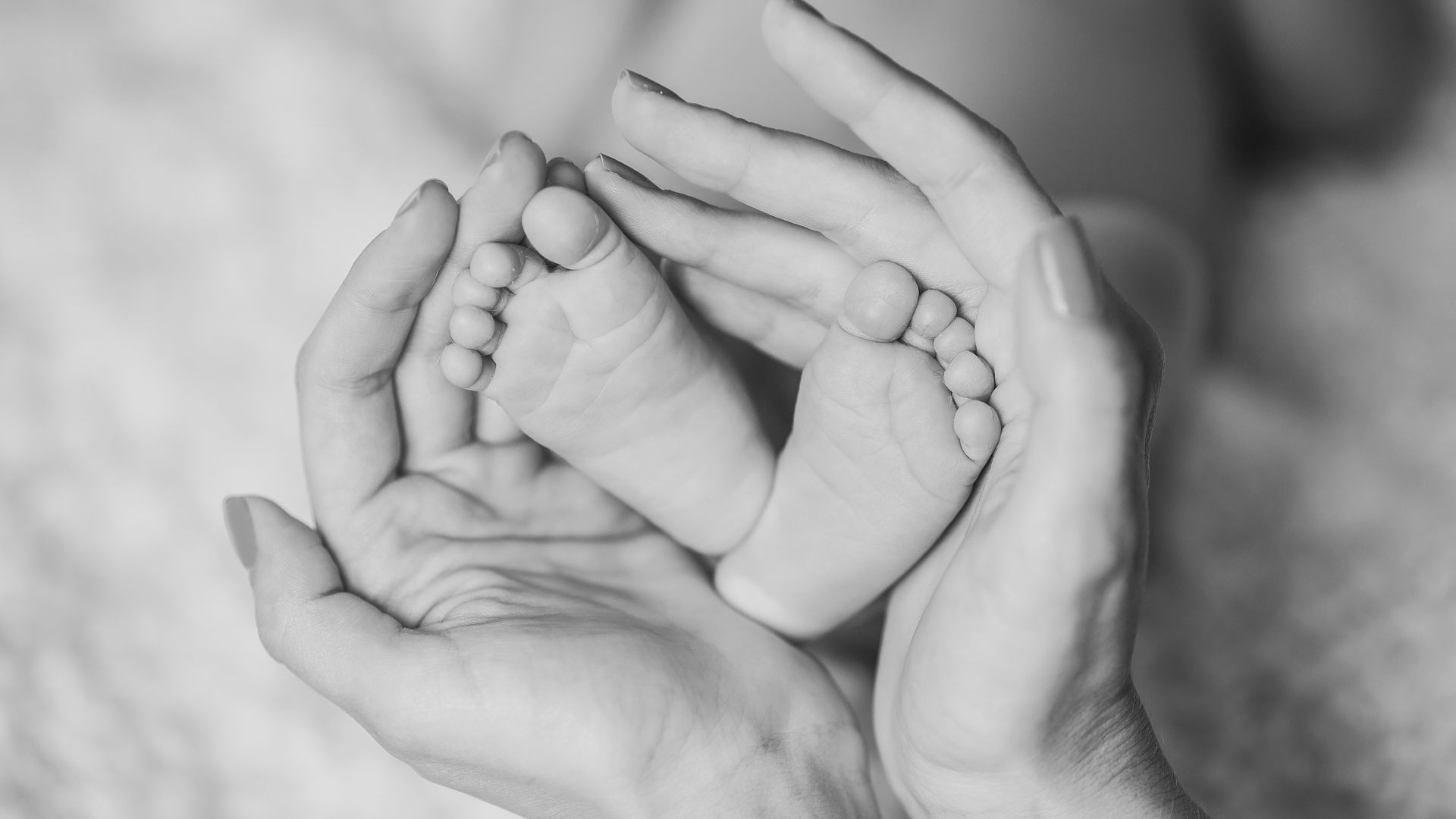
Babies born small can experience health challenges from the very beginning. A recent Khalifa University study identifies three factors that seem to contribute: born early, an underweight mother and high blood pressure during pregnancy.

The study involved 711 mothers and their babies at four hospitals in Abu Dhabi. As you might expect, the largest factor contributing to low birth weight is premature delivery with close to 28 times higher odds of having low birth weight. Low birth weight means the infant would weigh less than 2.5 kilograms.

Underweight mothers had nearly six times higher odds of giving birth to a low-birth-weight baby, and high blood pressure during pregnancy increased the odds by more than fourfold.

The study also produced some unexpected potential low-birth-weight links, like the pregnancy timing and previous family-planning visits. These findings are fueling the next level of the study that will include IVF, pregnancy weight gain and previous pregnancies that the researchers hope will fill in the missing pieces.

While the first phase of this research involved four hospitals, the next aims to include more than 90 percent of Abu Dhabi’s birthing hospitals.

The ultimate goal is to offer governing health bodies clearer and more comprehensive information about pregnancy and newborn health within the Emirate, ultimately bringing to light how even simple interventions like nutrition and blood-pressure monitoring, might make the biggest differences.

More like this: 6 Emirati Women at KU to watch

Healthy food: What the doctor
ordered

Something as simple as grocery delivery could help improve the health of people with type 2 diabetes, according to researchers.

In their study published in Circulation, the team of U.S. health insurance and medical services provider Kaiser Permanente, the Food is Medicine Institute at the Gerald J. and Dorothy R. Friedman School of Nutrition Science and Policy at Tufts University and the George Institute for Global Health found that medically tailored food delivered to adults with type 2 diabetes not only improved their blood-sugar control but food and nutrition security.

“This trial shows that food-based support can help patients with low incomes lower their blood sugar levels above and beyond the health care they receive,” says the study’s lead author, Claudia Nau, a researcher with Kaiser Permanente Southern California Department of Research & Evaluation. “Our findings suggest that addressing access to healthy food can play a meaningful role in diabetes care for patients, particularly those facing economic and social barriers.”

More like this: It’s OK to tango with mango

Building the oil industry and the UAE’s future

The pale light of dawn stirred the Habshan oil field. The horizon shimmered with heat before the sun rose. The engines rumbled, and the men in faded overalls moved through the dust with quiet purpose.

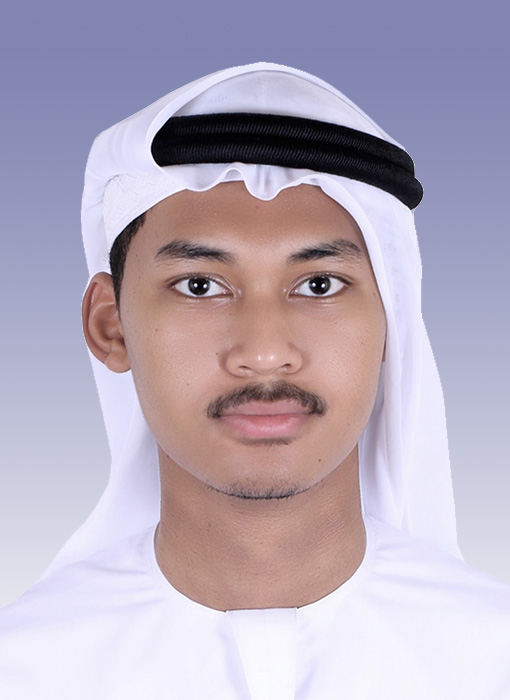
Among them was a 22-year-old mechanic, my father, Faraj Salem Almazrouei, starting his first month-long shift for the National Drilling Company in 1977.

He was to keep the heart of the rig alive. Every bolt and motor weighed in its own importance. To him, the desert was workspace and world alike: unforgiving, endless and promising. Every day began with a wrench in hand and ended beneath a star-filled sky.

That same year, deep in the sands of Abu Dhabi, another story was unfolding, not of one man but of a nation rising on the power of oil.


THE MOMENT THAT CHANGED IT ALL

CAPTION: Sultan Faraj Almazrouei

Before oil, the UAE was a land of small coastal towns. Life followed the sea: fishing, pearl diving and trade. The desert was more obstacle than opportunity. Then came the late 1950s, when drills went down and black gold came up.

It was in 1962 that the first shipment of crude left Abu Dhabi, marking a turn of history. By 1977, when my father joined, the country was being transformed: Roads reached the dunes, ports expanded and new schools were opening in towns that had not existed 10 years earlier.

He called it “living inside a miracle.” Every year brought something new: a road, a camp, a skyline.


LIFE ON THE RIG


Work on an oil rig was not for the faint-hearted. The schedule was relentless – one month on, one month off, a rhythm that shaped his life for two decades. During work months he lived between Habshan and Asab, two of Abu Dhabi’s busiest fields at the time.

Days commenced well before sunrise. Before mid morning, the temperatures were above 45°C, with heat radiating from the metal rigs. For most of each day, the mechanics, engineers and drillers stood shoulder-to-shoulder, shouting over the roar of machines.

Day and night, the rigs ran even when teams knew one loose bolt could stop production.

There was pride in that profession, however. The crew turned into a family: Emiratis, Indians, Pakistanis, Filipinos, bound by the same goal. They all worked and ate and slept under the same stars. My father said that when the engines at last fell silent, “You could hear the desert breathe.”


ENGINEERING THE FUTURE


Beneath those towers lay a hidden world. Wells stretched thousands of meters underground, three to four times the Burj Khalifa’s height. Layers of steel casing prevented collapse, each welded and sealed with precision.

My father’s team maintained the engines that rotated the drill, pumped mud to cool the drill bit and kept pressure steady. “The rig was alive,” he said. “You could feel its heartbeat in the ground.”

In the 1970s, most work was manual. Measurements were taken by hand, and repairs meant improvising with limited tools in extreme heat. Today most of those processes are automated, but back then progress was mainly powered by people.


FROM DESERT WELLS TO GLOBAL POWER


As more oil fields were discovered and revenues from oil production started to grow, ADNOC was established in 1971. In the 1980s and 1990s, ADNOC and its group companies, including NDC (now ADNOC Drilling), produced millions of barrels per day, with export markets including Japan, China, and India as major destinations.

Oil wealth reshaped the nation: highways, airports, hospitals, and universities rose across the country. When my father began, drilling camps were simple. By the time he retired in 2000, paved roads and electricity reached the remotest rigs, together with satellite phones. “We watched the country grow with our own eyes,” he said proudly.


THE HUMAN SIDE OF A NATIONAL STORY


Yet, even with that machinery, it was people who created the oil industry. My father related to his co-workers not as workers but as family. They celebrated birthdays with shared meals and helped each other through the long, hot days.

Every man had a reason for being there: the technician saving for his daughters, the engineer far from home. Yet all shared one belief. “Every drop we pumped out,” my father said, “meant something was being built somewhere: a hospital, a road, a home.”


BEYOND OIL-A LEGACY OF TRANSFORMATION


Today, the UAE stands as one of the most developed economies in the world, known for its skyscrapers, sustainability, and innovation.

Under these towers is a story of men such as my father, whose work built the foundation for it all.

Oil wealth funded schools and research but also opened the path toward renewable energy.

The same drive that powered the drills now powers the UAE’s quest for solar and hydrogen power. The country has learned not just to use energy, but to transform it.


THE WELLS THAT BUILT A NATION


My father’s hands still show the signs of years with engines and oil, though he is retired now. Sometimes, if we are driving past the Abu Dhabi skyline, he says, “When I started, there was nothing here but sand.” His is one of the thousands of stories, but it epitomizes the UAE’s journey.

The discovery of oil didn’t just bring wealth, it built resilience and ambition. The men who toiled under the scorching desert sun little knew that one day their work would light the cities of the future. The hum of those old machines still seems to echo beneath the sand today, a steady rhythm, the heartbeat of a country risen from grit and steel.

Sultan Faraj Almazrouei is a chemical engineering student at Khalifa University

More like this: Data-driven energy

Is your baby getting a safe night’s
sleep?

A little more than a fifth of all infant deaths globally can be traced to how parents put their babies to sleep, but practices differ among cultures. In the UAE, more than 80 percent of residents come from more than 200 countries, and there is limited local guidance on infant sleep.

SAFE SLEEP FOR BABIES: How to reduce the risk for infant deaths

This mix of nationalities gave researchers a wide cross-section to study how cultures influence how people put their babies to sleep.

The team, managed by Khalifa University’s Rima Kaddoura, looked at five sleep practices:

  • Back sleeping
  • Separate approved sleep surface
  • Room sharing with an adult but not sharing a bed
  • Sharing a bed
  • And no soft objects or loose items in the baby’s bed

In the UAE, the team found selective adherence to Abu Dhabi government-approved practices: About 69 percent of respondents used recommended back sleeping but only 11.5 percent avoided soft bedding, which can contribute to infant death, and 8.4 percent used a separate approved sleep surface.

“I am a mom of two and my oldest is 7. When he was born, I was in Lebanon and it was a whole new world to me,” she says, pointing out that her peers were confused by the difference between loose blankets and safer sleep sacks as well as why bumpers in cribs can be a danger.

Kaddoura says she frequently sees that same confusion in the UAE today.

The paper is part of a larger program implementing a maternal and infant health-monitoring system in Abu Dhabi, Kaddoura says.

Kaddoura stresses that the system she and her team are helping to shape is influenced by Western norms but makes room for cultures that value co-sleeping.

“Now some guidance is moving further from, ‘Put them to sleep on their own’ to implementing safe co-sleeping techniques,” she says.

FOR EDUCATIONAL INSTITUTIONS: ADEK’s safe-sleep policy

“We hope that eventually we and our partners, with further research, can implement guidelines that are adapted to the culture, but at the same time respect and follow safe sleep for infants,” Kiddoura says.

Sleep-related infant deaths, including sudden infant death syndrome, or SIDS, fell in the United States since public-health campaigns began championing safer sleep practices. From 1990 to 2022, mortality rates declined from 1.30 to 0.42 deaths per 1,000 live births.

Data for the Middle East is sparse, but figures in one study conducted in the UAE found SIDS cases were 0.66 deaths per 1,000 live births, higher than the global average of 0.24 per 1,000 live births.

Among other findings, parents from the Americas and Western Europe were more likely to follow multiple recommendations. Parents from the Western Pacific and Southeast Asia were more likely to share beds. These findings align with preferences in the respondents’ countries of origin, the researchers say.

More like this: Born too small