

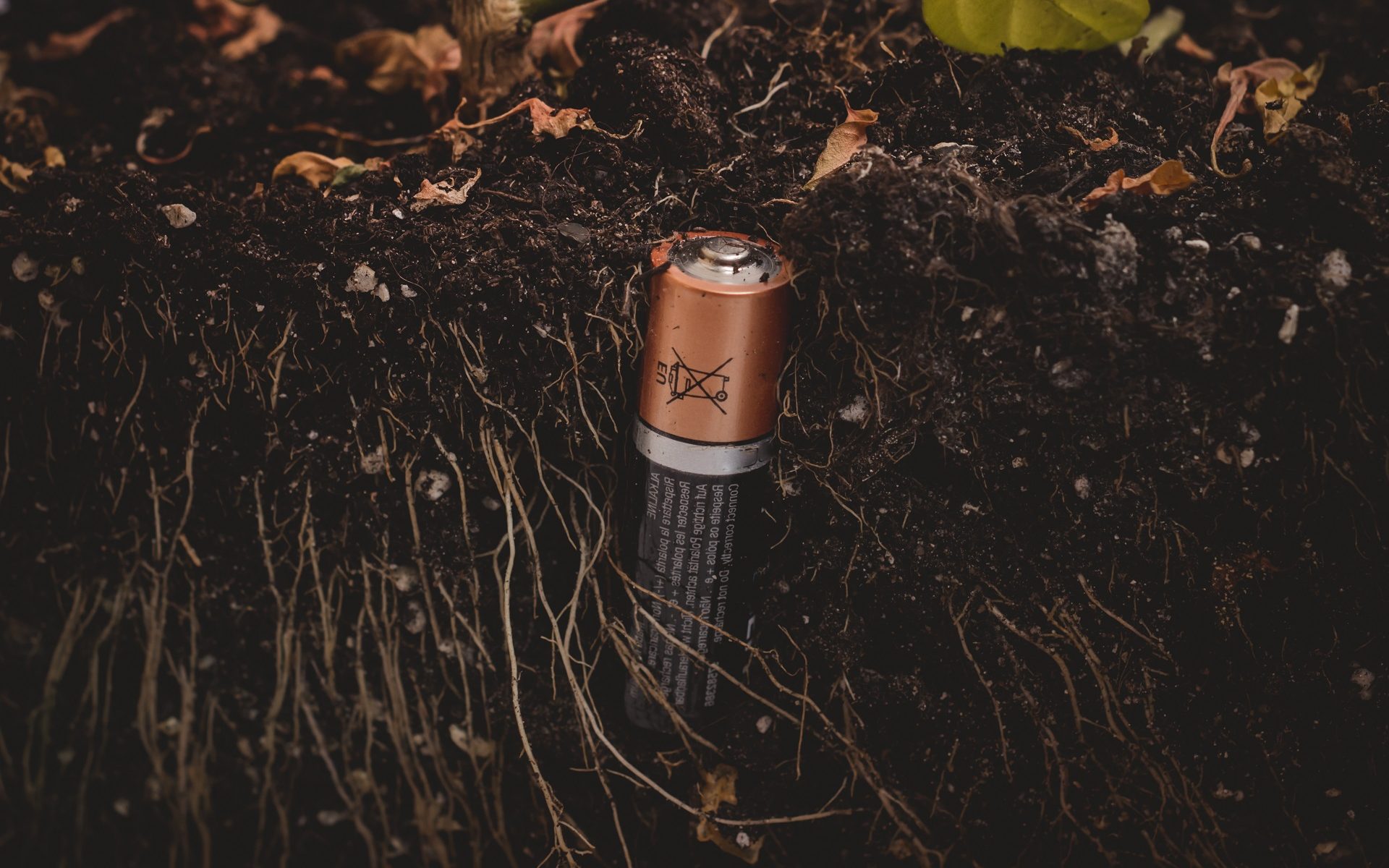
Rechargeable batteries have significantly reduced the environmental impact of battery waste, but there are still a lot of products out there requiring lithium-filled batteries that erode over time and leak chemicals into soil and water.
Researchers at Binghamton University have developed a tiny battery powered by probiotics to help, and it just dissolves after its battery life is depleted — no pollution, no recycling, no mess.
Rather than using toxic chemicals, the biobattery runs on 15 strains of innocuous probiotic bacteria. The power generated is straight from the natural process of these microbes just doing what they do — breaking down nutrients.
The device is printed on paper that ultimately dissolves in water and has a coating that breaks down in acidic environments like the human stomach or polluted soil.
Batteries aren’t part of the typical human diet, so why is this important?
The medical field is moving toward personalized medicine. Sometimes this means ingestible health monitors, implants, etc., that we would prefer not to leak toxins into our bodies. The limited low-power output is perfect for small devices like these offering up to 100 minutes use.
When it’s finished, it simply disappears — no toxic leftovers, no waste.
In future, versions could power even more impressive tech, but for now this is a significant step toward greener, safer and smarter electronics.
The paper was published in Small.
More like this: My electric vehicle has a weight problem
