Sugary disguise

Killing cancer cells is tricky business, partly because they can be hard to find. Those tricky cells are good at hiding, but researchers are on to them. It seems their “invisibility cloak” is made up of a sugary coating that can now be detected.

The study, published in Science, shows that leukemia cells coat themselves in a slippery, sugar-coated protein called CD43. This shield makes it difficult for the body’s immune system to grab and destroy them.

When researchers removed the CD43, they found that immune cells were suddenly more adept at doing their job.

The sugar coating acts both as a barrier and a disguise — cancer cells are harder to reach, and the signals received by cells like macrophages, the body’s cleaning crew, says “don’t attack me.” This combination is what scientists are referring to as a glyco-immune barrier.

Notably, the barrier isn’t evading only one type of immune cell, it also interferes with natural killer cells and T cells, which are instrumental in fighting cancer.

The next step is for scientists is to figure out a way to strip away this sugary cloak at scale, which could make existing cancer treatments like immunotherapy more effective.

More like this: Cancer can run, but it can no longer hide

Pharmaceutical pollution

Atlantic salmon migrate every year from the Swedish River Dal to the sea, and pharmaceutical waste in the water may be affecting this behavior.

A research team from the Swedish University of Agricultural Sciences and Griffith University’s Australian Rivers Institute found that juvenile salmon exposed to the anti-anxiety drug clobazam were more likely to complete the migration and quicker than unexposed fish. The painkiller tramadol had similar effects, suggesting the drugs disrupt social dynamics and influence risk-taking behaviors.

While this may seem like a positive outcome, the researchers warn that any drug-induced change to natural behavior could have unpredictable and potentially harmful consequences for individual species and wider ecosystems. Published in Science, the findings highlight the growing concern around pharmaceutical pollution, especially psychoactive substances, and underscore the need for improved wastewater treatment.

More like this: Early warning from the sewers

Seals are the unexpected sentinels
of the ocean’s twilight zone

The twilight zone, a vast layer of the ocean 200 to 1000 meters below the surface, is home to an enormous but largely unstudied fish population that plays a crucial role in the marine food web.

Research published in Science has found that elephant seals act as ecosystem sentinels, providing data on fish abundance and environmental changes in the oceans over decades.

By tracking how much weight the seals gain during hunting trips, scientists can estimate fish populations in the twilight zone.

Researchers from University of California-Santa Cruz tagged female seals with satellite-linked data loggers to monitor their foraging behavior, with each seal embarking on months-long journeys, diving to twilight zone depths over 140,000 times per year, covering millions of cubic kilometers of ocean.

They can provide real-time deep-ocean data, making them a natural biological survey tool for measuring fish populations in ocean conditions that cannot be studied using satellites or traditional buoys.  

MORE: Humanoid robots reach new depths

Arctic faces rapid, permanent
change

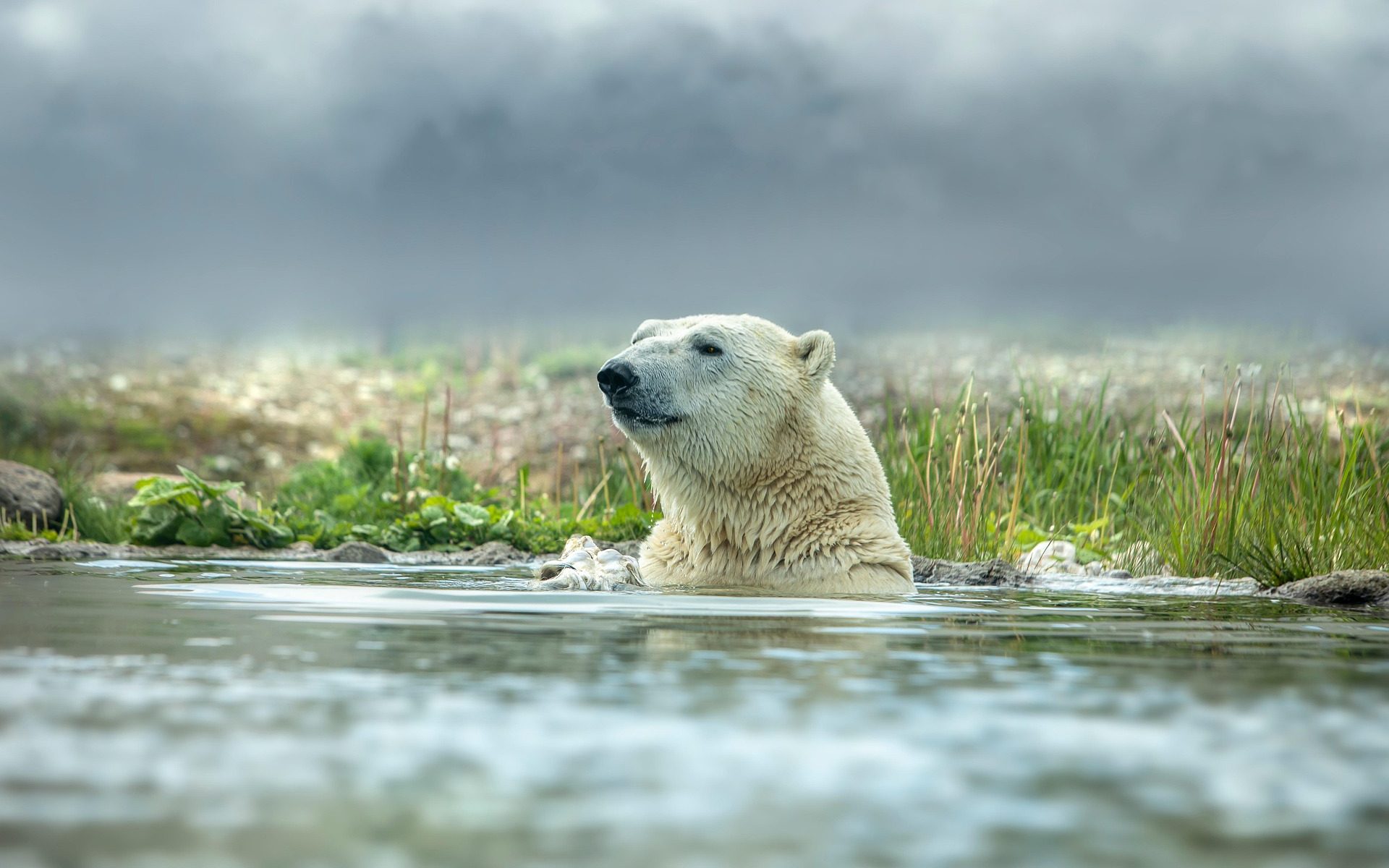
This should not come as a surprise: Researchers at University of Colorado at Boulder, University of Manitoba, University of Ottawa, Northern Arizona University and University of Hamburg warn that if global temperatures rise as predicted, the Arctic will undergo irreversible changes.

Key findings, published in Science, suggest that the Arctic Ocean could be ice-free for months each summer, the Greenland Ice Sheet will melt at an accelerated rate, and permafrost will shrink by 50 percent, leading to major impacts on global sea levels, ecosystems and infrastructure.

The researchers emphasize that these changes are already underway and could worsen without urgent global action.