Delivering fresher salmon

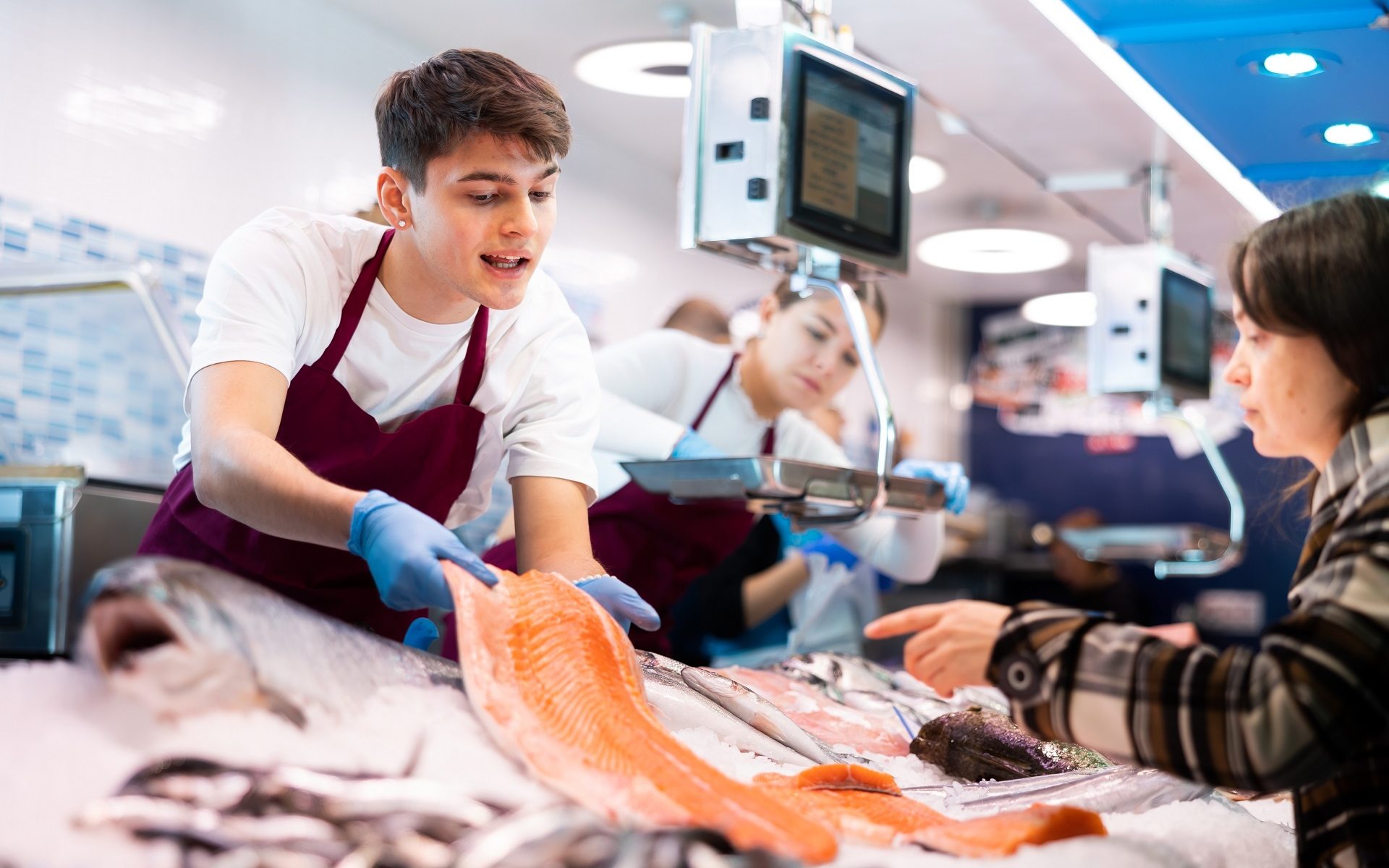
According to EssFeed, the most consumed fish globally is Atlantic salmon. And while salmon is known for its flavor and rich omega-3 content, it has a notoriously short shelf-life. But preserving seafood often means using sulphites — additives that some people can’t tolerate and many would rather avoid.

Now, researchers have found a better way to extend fishy shelf-life.

A recent study tested three natural, medium-chain acids — azelaic, succinic, and glutaric acid — and discovered they can keep salmon fresh for nearly two weeks without using sulphites.

These acids were applied as edible coatings on both sliced and minced salmon and then chilled for 12 days. The result was less bacterial growth, better texture and color and less spoilage.

Notably, azelaic acid was the front-runner as the best bacteria-fighter. And while these acids weren’t antioxidant superstars, they still helped reduce harmful byproducts and preserved overall quality.

The big takeaway is that these natural acids could become a safer, cleaner alternative to traditional preservatives, offering consumers fresher fish and fewer health worries.

The team recommends more testing to fine-tune the formula, but the future of fresh, sulphite-free seafood looks promising.

The study was published in Food Quality and Safety.

More like this: Transparen sea

Do your part on World Environment Day

Today is Global World Environment Day. Though we should be aware of our impact on the environment every day, today is our chance to look at the statistics, make personal changes and commit to a greener lifestyle.

The U.N. General Assembly in 1972 designated June 5 World Environment Day to unite the world against environmental threats.

Collectively, we are responsible for 229,000 tons of plastic in the world’s oceans each year. With a staggering statistic like that, it’s no surprise this year’s theme is plastic pollution. This year the message is for individuals and businesses to contribute to a circular economy and rid the world of single-use plastic. This means we create useable items out of whatever we discard.

For example, companies like Circular & Co. are on a mission to equip us all with reusable water bottles. Each of its bottles is made from 14 disposed plastic water bottles. When they reach end of life, they are also recyclable. And there are many other companies popping up to combat plastic waste.

According the gDiapers, more than 300,000 plastic diapers end up in the ocean or landfills every minute. The company’s solution is a plastic-free disposable diaper that is collected after use and composted into soil.


But it’s not just on us individuals. Sure, we can choose to deal with companies that are sustainability focused and choose circular-economy options, but there are a lot of conglomerate giants out there that contribute to the plastic problem.

According to Break Free From Plastic’s 2022 brand audit, the top three contributors — Pepsi, Nestle and Coca-Cola — earned the first-place plastic trophy for the fifth consecutive year.

This is why the U.N. General Assembly in 2022 met with delegates from 147 countries to begin work on a global plastic treaty. The goal is to end plastic pollution by 2030.

IMAGE: Unsplash

But we don’t have to wait until 2030, and we don’t have to embark on a sustainable start-up. We can begin today on World Environment Day to do our part in ending plastic pollution.

Here are a few ways individuals can make a difference:

  • Say good-by to single-use plastic sandwich bags and cart your lunch to work in reusable containers.
  • Purchase a reusable water bottle rather than drink from disposable bottle.
  • Use cloth grocery bags.
  • For bin liners, choose bio-degradable options.
  • When ordering take-out, choose companies with recyclable packaging or returnable dishware.
  • Buy a reusable straw.
  • Drive an electric vehicle (if you can afford to).

A 2023 study by an Indonesian team suggests that microplastics — tiny bits of plastic measuring less than 5 millimeters — are everywhere, including our bodies. The threat to our health is serious.

“Living organisms can accumulate microplastics in cells and tissues, which results in threats of chronic biological effects and potential health hazards for humans including body gastrointestinal disorders, immunity, respiratory problem, cancer, infertility, and alteration in chromosomes,” the researchers say.

The paper was published in Science Direct.

We’re running low on clean
omega-3s — and it’s a big deal

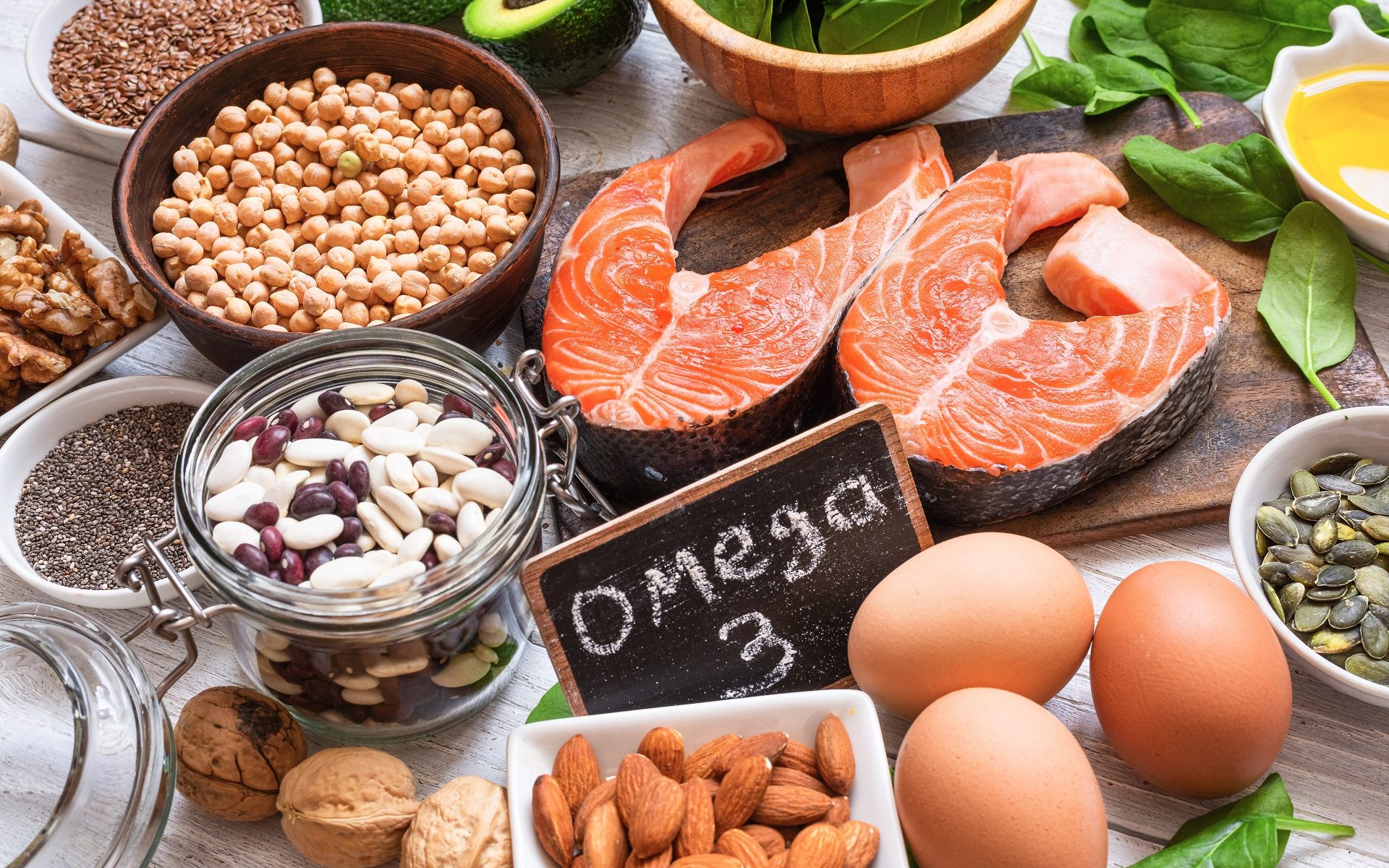
Most people have heard omega-3s are good for you — they’re the healthy fats in fish that help with everything from keeping your heart strong to lifting your mood. But the bad news is, according to a new report, 85 percent of the world isn’t getting enough of them, and the ones we are getting aren’t always clean.

Timothy Ciesielski, a public health expert, says this shortage isn’t just about skipping salmon at dinner. It’s about how our entire global food system, packed with processed foods and too many omega-6 fats (the inflammatory kind), is substantially out of balance.

Without sufficient omega-3s, the body will suffer the effects of inflammatory ailments impacting skin, joints, mood, fatigue and cardiovascular issues.

Plus, climate change is messing with ocean ecosystems, overfishing is draining our fish supply and pollution is tainting many seafood sources.

Even popping omega-3 pills isn’t a magic fix.

Ciesielski says we need a food and environmental makeover, which means more sustainable omega-3 sources, fewer junk fats and a fresh look at how we treat our oceans and our plates.

This isn’t just a health problem — it’s a wake-up call for the whole planet.

The paper appears in AJPM Focus.

More like this: Microplastics: The invisible threat

Air pollution impairs cognitive
function

Breathing polluted air can impair cognitive function within just four hours, according to a new study published in Nature Communications.

Researchers at the University of Birmingham and University of Manchester found that short-term exposure to fine particulate matter (PM2.5) significantly reduces selective attention and the ability to recognize emotions. The findings suggest that even brief encounters with air pollution can affect higher-level brain functions.

The study tested 26 adults under controlled conditions, exposing them to either clean air or high levels of particulate pollution for one hour. Cognitive tests before and after exposure showed that participants had more difficulty focusing and interpreting facial expressions after breathing polluted air.

The researchers highlighted the need for further research into PM2.5 and its effects on brain health, especially long-term.

2 promising approaches to
treating wastewater

Wastewater treatment protects human as well as environmental health. And it conserves water. Abu Dhabi researchers offer promising approaches using innovative membranes:

Filtering out nutrients

High levels of nutrients sounds like a benefit to an ecosystem, but when an environment sees too many, otherwise known as eutrophication, algal blooms and waters with too little oxygen can kill fish and seagrass, setting off a chain reaction in the ecosystem.

Large amounts of carbon dioxide from the decomposing matter acidify the water, slowing the growth of fish and shellfish. Eutrophication is an economic threat as well — smaller harvests mean more expensive seafood.

“We need to control the levels of nutrients and develop innovative technologies to treat water and remove excess nutrients,” says Shadi Hasan, director of the Khalifa University Center for Membranes and Advanced Water Technology (CMAT), whose team published its research in npj Clean Water.

The KU team developed a composite polylactic acid (PLA) and nanomaterial membrane to remove nutrients from wastewater.

The membrane works via adsorption, the process by which a solid holds molecules, in this case liquid, as a thin film. The team used a functionalized positively charged multi-walled carbon nanotube/graphene oxide hybrid nanomaterial to remove nitrogen (as ammonia) and phosphorus from wastewater while enhancing water permeability. The nutrients are collected in the pores of the nanotubes at the surface of the membrane.

Removing oil from water

Wastewater can be difficult to treat, especially when trying to remove fine oil droplets.

“The large volume of industrial oily wastewater is difficult to treat due to its emulsified fine oil droplet content,” says Linda Zou, a Khalifa University professor. “Conventional membranes experience low separation efficiency and oil fouling issues, which we wanted to overcome.”

Zou and other researchers incorporated molybdenum disulfide (MOS2) nanospheres into a cellulose acetate matrix. MOS2 nanospheres repel water but attract oil — that is, they are oleophilic — whereas the cellulose acetate polymer has high water affinity and is hydrophilic. The membrane is designed to be amphiphilic, meaning it can target and capture oil droplets in a large volume of water. This is important for separation because the membrane has components that attract the oil droplets but can also facilitate the passage of water.

The membrane’s amphiphilic nature also eliminates fouling caused by oil droplets.

The team found the membrane had a high separation efficiency in tests, with greater than 90 percent removal of oil from the diluted oil-in-water mixture. The membrane also had good stability and durability, meaning it could be used repeatedly without losing performance, which makes it a promising material for industrial application.