

If you’ve ever spent time in a museum, you’ll note artifacts that date back thousands of years. They tell us pertinent information about the past — from lifestyle to medicinal treatments and everything in between.
It’s our history. But have you ever considered what will be uncovered in archaeological sites thousands of years from today? It’s highly likely it will be a whole lot of plastic, but where’s the value in that?
A new paper published in Cambridge Prisms: Plastics argues that while plastics get a bad rap and wreak sustainability havoc on the environment, they’ll be the defining “type fossils” of our era.
“The type fossils are not stone, metal, or ceramic, but plastic, creating an archaeological record that is resilient and toxic, as well as ubiquitous,” the paper says.
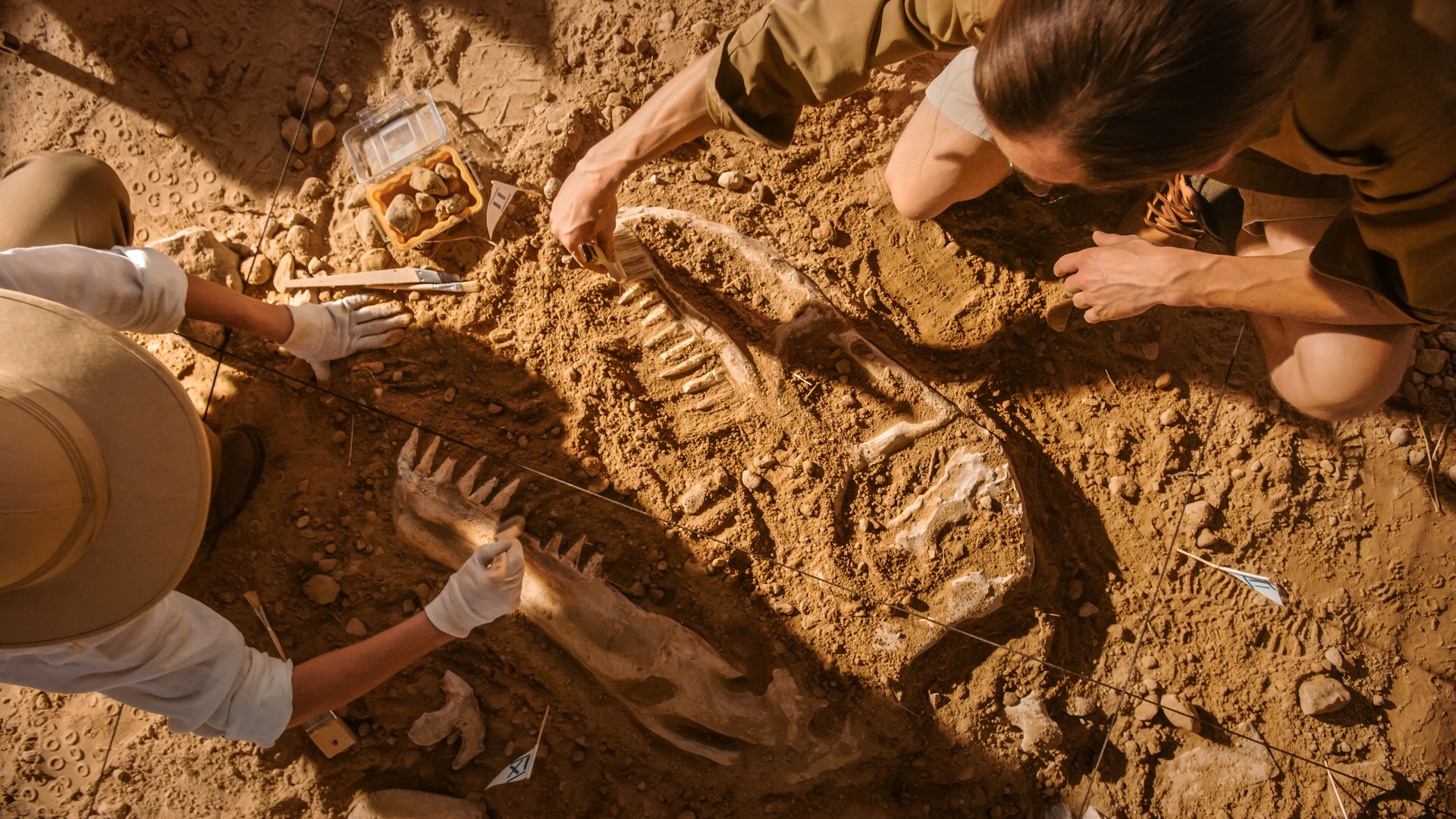 IMAGE: Shutterstock
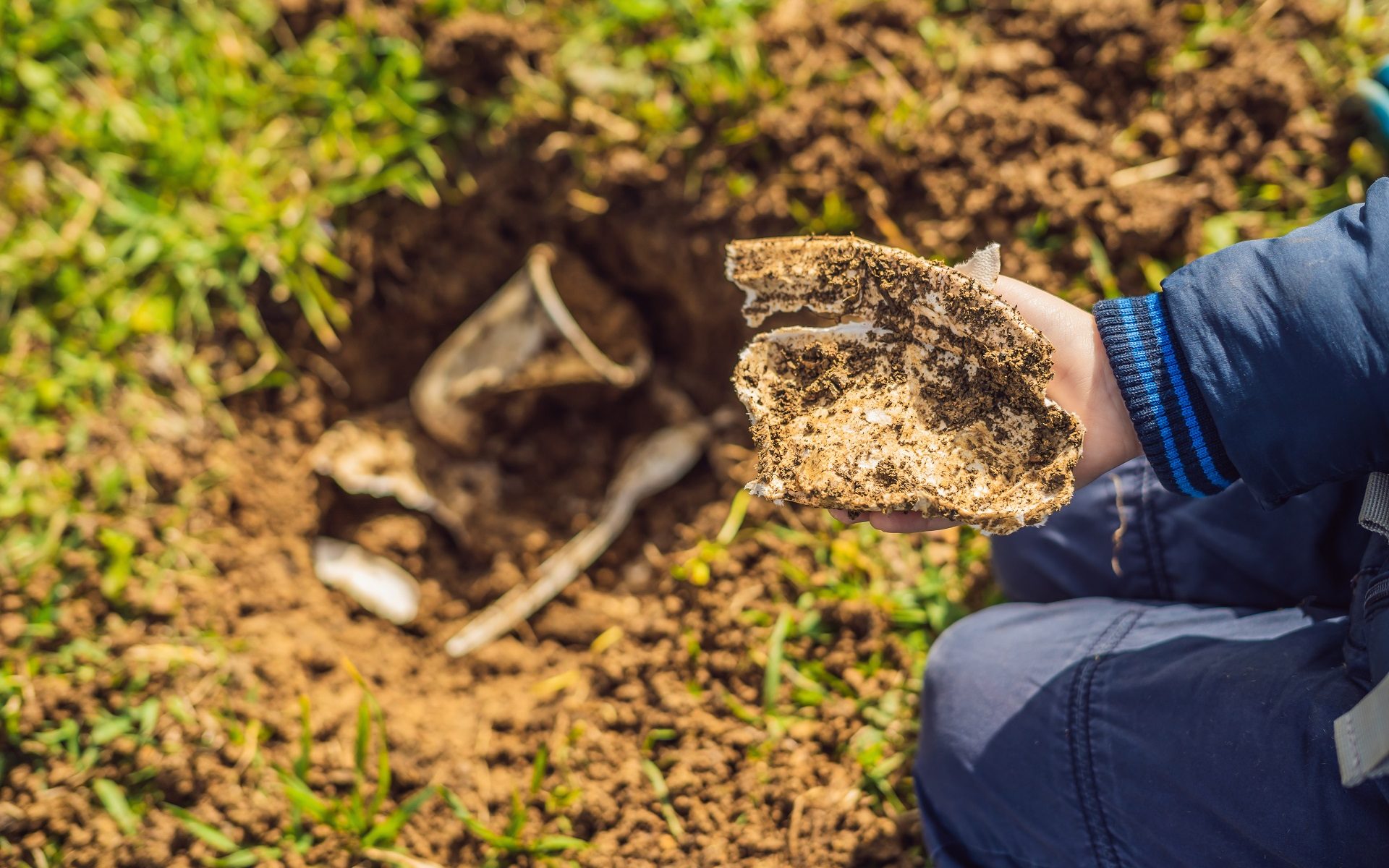
Plastics travel all over — they’re resting in landfills, drifting in the oceans, freezing into polar ice, embedding in farm soils, lodging in animals and even orbiting Earth. They may shrink into micro-plastics and nanoplastics, but they never really go away.
The authors suggest plastics and “the behaviors responsible for their distribution, produce an archive that may hold some historical and evidential value for society.”
They say plastics at the moment of discard enters them into the archeological record, “comprising material culture that represents human activities occurring at any time in the past.”
Such a record could contribute to understanding the full environmental impact of plastic and indicate the worldview of the “Plastic Age.”
The bottom line? Plastics still bad, information good.
More like this: Google Earth shines light on ancient Roman camps