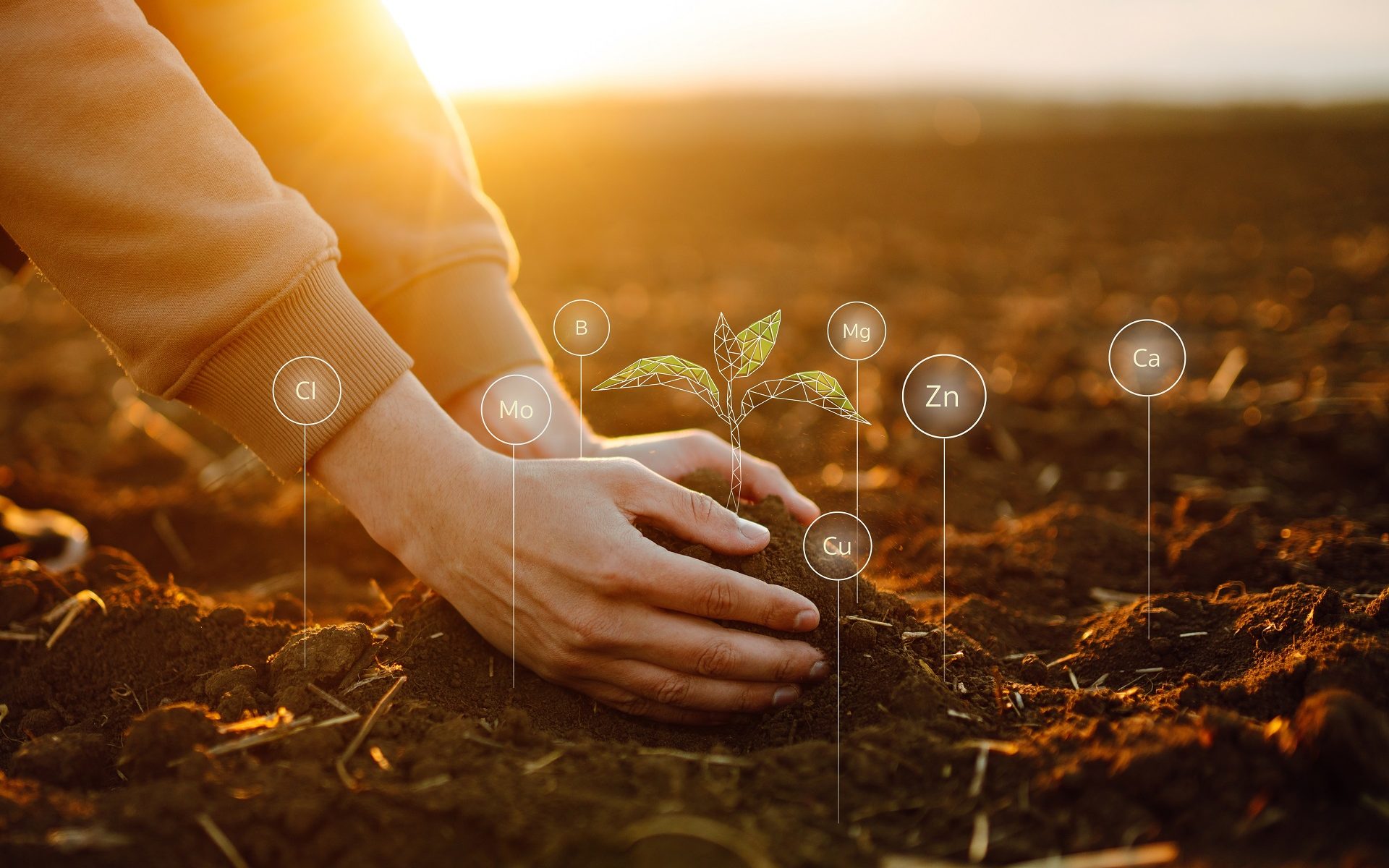
A Chinese research team recently proposed the novel idea that the ground beneath our feet could clean itself.
A process called microbial iron mining utilizes microbes that can “breathe” iron. As they do, they switch iron back and forth between its rusty and shiny forms — like a little chemical frolic that captures and modifies pollutants.
The tiny miners can tackle toxic metals like arsenic and lead, chemicals like pesticides and microplastics and excess antibiotics and nutrients that typically pollute waterways.
Most notable is that the soil cleaning is natural. Rather than having to dig up and haul away contaminated soil, scientists can provoke these microbes to do the work while saving energy, protecting ecosystems and recovering valuable resources like rare earth elements.
It’s still early days and the research is still lab based, but it shows promise. The next steps are deciphering how this will work in real-world soil while managing side effects like greenhouse-gas releases.
Today is Global World Environment Day. Though we should be aware of our impact on the environment every day, today is our chance to look at the statistics, make personal changes and commit to a greener lifestyle.
The U.N. General Assembly in 1972 designated June 5 World Environment Day to unite the world against environmental threats.
Collectively, we are responsible for 229,000 tons of plastic in the world’s oceans each year. With a staggering statistic like that, it’s no surprise this year’s theme is plastic pollution. This year the message is for individuals and businesses to contribute to a circular economy and rid the world of single-use plastic. This means we create useable items out of whatever we discard.
For example, companies like Circular & Co. are on a mission to equip us all with reusable water bottles. Each of its bottles is made from 14 disposed plastic water bottles. When they reach end of life, they are also recyclable. And there are many other companies popping up to combat plastic waste.
According the gDiapers, more than 300,000 plastic diapers end up in the ocean or landfills every minute. The company’s solution is a plastic-free disposable diaper that is collected after use and composted into soil.
But it’s not just on us individuals. Sure, we can choose to deal with companies that are sustainability focused and choose circular-economy options, but there are a lot of conglomerate giants out there that contribute to the plastic problem.
According to Break Free From Plastic’s 2022 brand audit, the top three contributors — Pepsi, Nestle and Coca-Cola — earned the first-place plastic trophy for the fifth consecutive year.
This is why the U.N. General Assembly in 2022 met with delegates from 147 countries to begin work on a global plastic treaty. The goal is to end plastic pollution by 2030.
IMAGE: Unsplash
But we don’t have to wait until 2030, and we don’t have to embark on a sustainable start-up. We can begin today on World Environment Day to do our part in ending plastic pollution.
Here are a few ways individuals can make a difference:
Say good-by to single-use plastic sandwich bags and cart your lunch to work in reusable containers.
Purchase a reusable water bottle rather than drink from disposable bottle.
Use cloth grocery bags.
For bin liners, choose bio-degradable options.
When ordering take-out, choose companies with recyclable packaging or returnable dishware.
Buy a reusable straw.
Drive an electric vehicle (if you can afford to).
A 2023 study by an Indonesian team suggests that microplastics — tiny bits of plastic measuring less than 5 millimeters — are everywhere, including our bodies. The threat to our health is serious.
“Living organisms can accumulate microplastics in cells and tissues, which results in threats of chronic biological effects and potential health hazards for humans including body gastrointestinal disorders, immunity, respiratory problem, cancer, infertility, and alteration in chromosomes,” the researchers say.
Scientists have been warning the world about microplastics in our air, oceans and food for some time now, but these tiny invaders have found their way into a more troubling hiding place: the human body.
A recent study published in Nature Medicine discloses autopsy results that sound alarm bells on the potential impact of microplastics and nanoplastics (MNPs) on our health.
Researchers from the University of New Mexico Health Sciences in Albuquerque, examined postmortem samples from a variety of organs including kidneys, liver and the brain from 2016 to 2024.
The team discovered that the comparison of liver and brain samples throughout the time period showed significant increase in MNP concentration. And the proportion of polyethylene in the brain was 75 percent higher than that of the liver and kidneys.
The results suggest an increasing trend in plastic contamination over time. Further tests of dementia cases revealed even higher levels of MNP accumulation, in particular within immune cells and along blood vessels, underscores a need for continued research into the health implications of MNP accumulation.
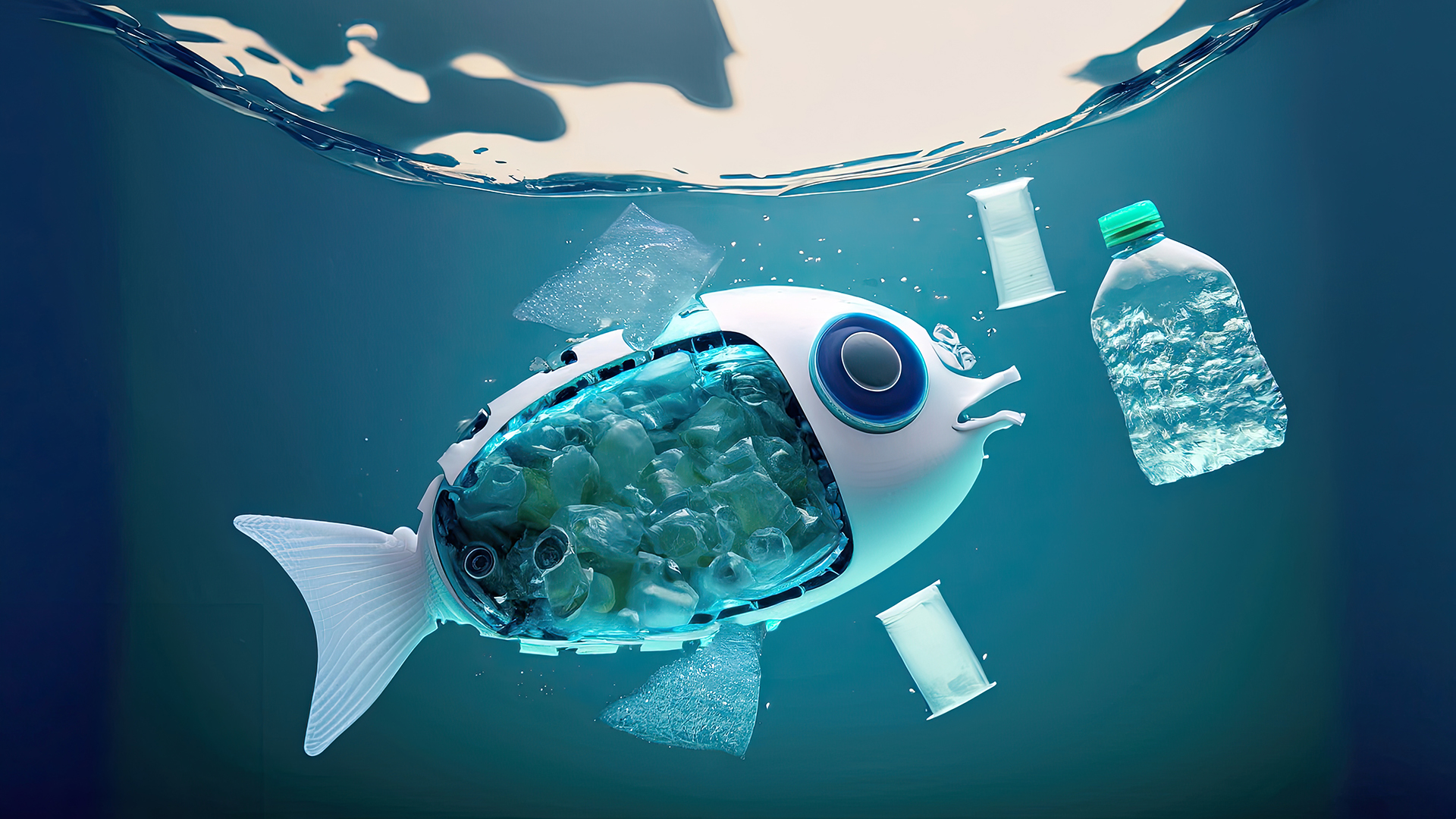
Scientists have developed a new generation of robot fish that can do more than just swim, it can also eat microplastics — providing a promising solution to the global problem of plastic ocean pollution.
The University of Surrey in the United Kingdom hosts a contest each year focused on developing robots that mimic things in nature. The 2022 winner, chemistry undergrad Eleanor Mackintosh, designed a robot that looks and acts like a fish and is skilled at filtering microplastics from water it sucks in through its gills. The robot is aptly named Gillbert.
Gillbert is 50 centimeters long and approximately the size of a full-grown pink salmon. It is shaped like a fish, and its movements mimic those of a fish. It moves through the water via remote control while its gills move in and out, drawing in water. Gillbert filters the microplastics — some as small as 2 millimeters — and stores them in an internal container.
Though Gillbert is operated by remote control, Robert Siddall, robotics lecturer at the University of Surrey and founder of the competition, hopes this robot fish inspires others to work toward gaining control of the plastic problem plaguing the world’s oceans.
But with an estimated 5.25 trillion pieces of plastic in the oceans, why focus on microplastics?
Ludovic Dumée, assistant professor of chemical engineering at Khalifa University, says although microplastics are small and difficult to see, they have an enormous impact.
“Microplastics, whose maximum dimension falls below 5 millimeters, are ultimately released into waterways and represent a major threat to global ecosystems, the entire food chain as well as many human industrial activities that rely on river or sea-water intake,” he says in a 2023 article in KUST Review.
Additionally, Dumée says human beings consume between 50,000 and 100,000 microplastics annually. This exposes humans to contaminants and increased cancer risks.
CAPTION: Plastic straws become microplastics IMAGE: Unsplash
Gillbert the fish is one possible solution to the microplastics problem, but more attention is required to solve this global issue.
The 2023 Natural Robotics Contest requires this year’s entries be inspired by the December 2022 UN Biodiversity Conference held in Montreal, Canada. The biodiversity conference addressed appropriation of a global biodiversity framework to deal with the main causes of nature loss. The 2023 contest is open for entries until July 1, and the winner is promised a working prototype based on their design.
A 3D print download of Gillbert is available for open access so others might improve upon the initial design.
Up to 12.7 million tons of waste makes its way into the world’s oceans each year, forming massive “plastic islands” in oceanic gyres and devastating birds and marine life in the process.
Cleanup, in which plastics are currently collected at sea, stored and shipped to shore for disposal, is estimated to take from 50 to 130 years with annual costs expected by some at nearly US $37 million. In the meantime, the trash is degrading faster than it can be gathered, disintegrating into harmful and even more difficult to mitigate microscopic forms.
Listen to the Deep Dive
Now a team of researchers from Massachusetts in the United States is suggesting a new approach: self-powered cleanup vessels that turn the trash they harvest from the seas into the fuel they use for the job.
The researchers, representing Harvard University, the Woods Hole Oceanographic Institution and the Worcester Polytechnic Institute, suggest using high temperatures and high pressure in a process called hydrothermal liquefaction to depolymerize the plastics into a harnessable energy, creating self-powered cleanup that eliminates the need to refuel or unload plastic waste and potentially reduces total cleanup times.
Of course, it isn’t enough to clean up the oceans faster and with less fuel waste. The world needs to address the amount of garbage that makes it into the oceans in the first place, the researchers write. “Reducing or eliminating the amount of plastic waste generated is critically important, especially when the current loading may persist for years to even decades,” they say.
COVID’s toll on the oceans
Meanwhile, researchers from China’s School of Atmospheric Sciences at Nanjing University and the Scripps Institute of Oceanography at the University of California-San Diego say the COVID-19 pandemic is making an already bad situation in the oceans even worse.
Also writing in the Proceedings of the National Academy of Sciences of the United States of America, the scientists say that of the 8 million tons of plastic waste generated until recently in the fight against the virus, about 25,000 tons of medical waste, mostly from hospitals, has entered the world’s oceans. And more is expected to come, not only damaging marine species but potentially spreading contaminants including the COVID-19 virus.
The hospital trash, they say, dwarfs the amount of waste from discarded personal-protective equipment (PPEs) and plastic packaging produced by a surge of online shopping in the wake of the pandemic. For a little perspective, the authors cite another study estimating that 1.56 million face masks made it to the oceans in 2020.
Plastics that wash into the oceans are endangering wildlife. IMAGE: Shutterstock
Five of the top six rivers associated with medical-waste discharge are in Asia (Shatt al Arab, Indus, Yangtze,Ganges Brahmaputra and Amur). The other, the Danube, is in Europe.
The authors call for increased public awareness of plastics’ environmental impacts; better collection, treatment and recycling of plastic waste; and improved waste-management practices at pandemic epicenters, particularly in developing countries.
Microbots to the rescue?
A solution to microplastics in water might come in an equally small package: microbots.
The bacterium-size bots when added to water with a little hydrogen peroxide attach to microscopic bits of plastic and begin to break them down. The research was recently published in ACS Applied Materials & Interfaces.
“They can sweep a much larger area than you would be able to touch with stationary technology,” says study co-author Martin Pumera, a researcher at the University of Chemistry and Technology, Prague.
Pumera envisions setting the microbots loose in the oceans to collect microplastics, but Win Cowger, an expert in plastic pollution at the University of California, Riverside, who was not involved with the study, tells Scientific American that closed systems such as those for drinking-water or wastewater treatment would probably be better potential targets.
Join our mailing list
Get the latest articles, news and other updates from Khalifa University Science and Tech Review magazine