
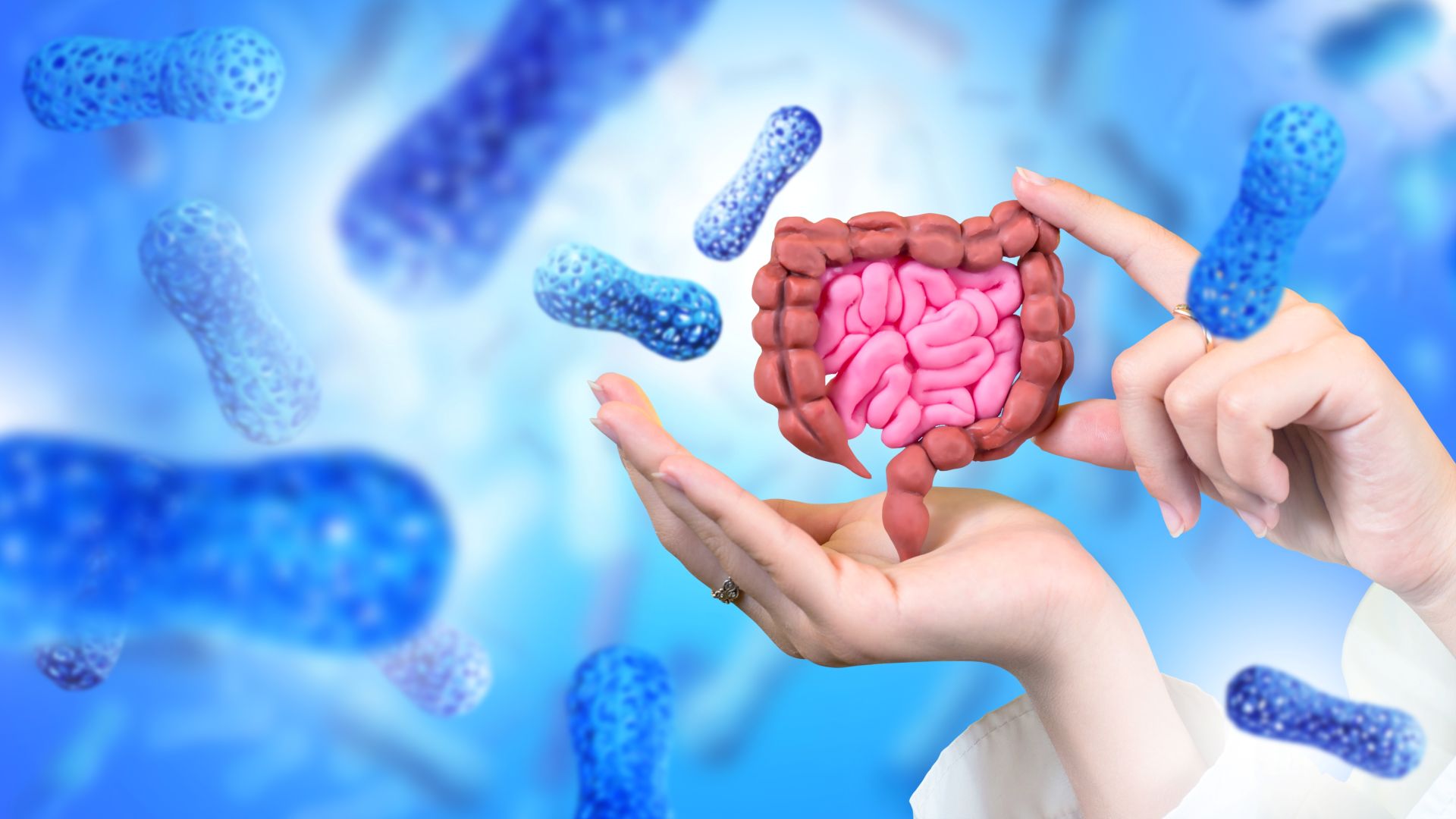
Probiotic switcheroo

Saccharomyces boulardii is often used to treat digestive woes. Like most yeasts, in the lab it happily runs on glucose, but scientists discovered that once it arrives in your intestines, it changes its MO.

A recent study published in BMC Genomics uncovered that once the research team places yeast into germ-free mice and waits a week to see which genes it switches on, the diet of choice isn’t sugar as expected, but rather fatty acids (fats) and amino acids (protein building blocks).

It also reduced energy-hungry activities and launched stress-survival systems — kind of like moving from bakery mode to survival mode.

The number of engineered probiotics to deliver medicines inside the body are increasing and the results of this study show what works in a lab isn’t always the same as what works in the gut.

It is imperative to understand how next-gen designer probiotics behave in the real world to gauge their impact.

More like this: Trust your gut?
Global gut woes

There is a lot of published and ongoing research into tsRNAs in tumor-related gastrointestinal diseases. But a new study published in Genes & Diseases explores their role as biomarkers in diagnosis and treatment of other, non-tumor-related gastro diseases.

TsRNAs are tiny molecules that come from tRNA, a type of RNA that helps build proteins. Even though they don’t make proteins themselves, they play important roles in the cell. They can help control how cells grow, decide when damaged cells should die and help regulate the immune system.

If they don’t work properly, they could lead to problems like cancer, immune disorders or neurodegenerative diseases.

This review examines the role of tsRNAs in digestive diseases, including issues like stomach and colon cancer, liver disease and pancreas inflammation. Scientists have found that small tsRNA molecules might help detect these diseases early and could even be used for treatment.

They may also influence how these diseases develop by affecting key cell-communication systems in the body.

More research is required as statistics of a 2021 multinational large-scale study on digestive diseases revealed that 40 percent of the global population has functional gastrointestinal disorders, which affect quality of life and place a significant burden on health care.

More like this: A step forward in targeting tumors