If you’ve ever tried to get backstage at a concert, you’ve encountered a gatekeeper.
What you might not know is that your gut lining is also a gatekeeper — it exists to let the things pass through that it should and block those that shouldn’t.
Your lower intestine is lined with over 4,000 square feet of surface area designed to allow nutrients into the bloodstream and keep partially digested food, toxins and bacteria out.
Sometimes, however, that lining develops weaknesses and escapees are given free rein on the body. This condition is known as leaky gut syndrome, and it can cause a lot of discomfort.
Though not widely studied yet, Harvard Health Publishing says some common conditions, like arthritis, allergies, asthma, obesity and mental illness, are thought to be associated with leaky gut.
According to the Cleveland Clinic, this condition can be caused as a result of diet, stress or medications, and it often coincides with others like celiac disease and irritable bowel syndrome.
But fear not, there may be a way to heal your leaky gut.
IMAGE: Shutterstock
And, as in most cases, the mitigating healer is natural and something many of us consume daily.
“A naturally occurring compound (phytic acid or InsP6) found in beans, grains and legumes may help the gut maintain its protective barrier at the epigenetic level,” according to research published in Nature Communications.
The discovery of this plant molecule isn’t new, but its ability to potentially protect and maintain the gut lining is.
The gut-managing molecule HDAC3 determines which genes get switched on or off inside of the cell, especially those involved in gut stability. It fails to properly do its job when its helper enzyme, IPMK, is absent. When removed, HDAC3 reduced activity by 90 percent.
The culprits were a group of genes called MMPs that can chew through tissue when left unchecked, causing leaks in the gut.
“When this molecular pathway broke down, the gut barrier became significantly leakier,” the research says.
CAPTION: Healthy gut diet IMAGE: Shutterstock
The paper also says that when InsP6 is reintroduced into subject mice, HDAC3 bounced back and the gut barrier improved.
While the study was performed on mice and has yet to be tested on humans, it’s another reminder that the foods we eat are doing far more than simply providing calories: Diets rich in phytic acid or future therapies based on it could someday help support gut-barrier health.
When we hear the term Botox or see it advertised, it’s usually tied to smoothing out facial wrinkles or keeping them at bay. But while beauty drives most of the market, that’s only part of the story. A range of important medical treatments also rely on Botox — and none of them has anything to do with chasing youth.
In 2024 alone, more than 9 million treatments were performed worldwide — up more than 26 percent since 2021. Close to 85 percent of users were women with an average age of 43. The number of men using Botox is also on the rise and is expected to reach 17 percent in 2025, up from 12.3 percent in 2018.
American ophthalmologist Alan Scott first used botulinum toxin A, a neurotoxin produced by a bacterium called Clostridium botulinum (brand name Botox) as an alternative to surgery, to weaken hyperactive eye muscles by paralyzing muscles and blocking specific nerves.
Scott had no idea how versatile the drug, then called Oculinum, would become in the field of medicine when he sold the rights to Allergan in 1991 for U.S.$4.5 million. At that time, it was used for uncontrollable blinking and misaligned eyes. Now worth billions, Botox is continually proving itself with a growing list of applications.
Like migraines that stop people in their tracks, preventing them from completing even the most basic daily tasks. These headaches impact more than a billion people worldwide every year.
Botox treatment was FDA approved for migraine treatment in 2010.
Injections are strategically placed around the head and neck areas to interrupt the pathway of pain connecting the central nervous system in the brain and spinal cord nerves. The neurotransmitters and molecules released during a migraine are interrupted by the botulinum toxin where the nerves and muscles connect.
This has been proven effective in those who suffer with chronic migraines, which means 15 plus headaches per month for a minimum of three months. It’s not for everyone, though. Users must be 18 years or older. It also doesn’t eliminate the headaches altogether but reduces the frequency by about 50 percent.
Botox is also used in patients with muscle spasticity, which can be the result of neurological disorders like stroke or cerebral palsy that cause damage to the brain, spinal cord or nerves that control muscle movement. Damage to the nervous system causes muscle stiffness or muscles to move involuntarily, because wrong orders are being delivered.
For those living with spasticity, relaxing the muscles means less stiffness in the muscles and improved range of motion.
And if you’re a sweaty person, even when you shouldn’t be, Botox could be your new best friend.
Overactive sweat glands, a condition called hyperhidrosis, can cause profuse sweating, creating uncomfortable and often embarrassing scenarios.
Like many of the other conditions mentioned above, there is a surgical option — have those sweaty glands removed — but bodies need sweat to regulate body temperature, just not so much of it.
Botox injections to a localized site can block the signals that activate those overactive glands. This means your body’s sweat glands can continue to operate to cool you, without excess. The treatment takes about two weeks for maximum impact and can offer reduced underarm sweating by up to 90 percent.
This treatment can be applied to those with overactive bladders as well. This doesn’t mean that a little urine escapes when you sneeze — that would be considered stress incontinence. If your bladder is overactive, you might feel a sudden urge to urinate and struggle to control it or experience frequent urination day and night.
Good news: “A urologist can inject Botox into your bladder to treat urge incontinence or overactive bladder. This helps the muscles relax, which will give you more time to get to the bathroom when you feel the need to urinate,” according to the Mayo Clinic. Botox relaxes the bladder muscle to limit contraction.
This treatment can help the 17 percent of women and 3 to 11 percent of men who struggle with urge incontinence.
While these treatments are FDA approved, further uses in other off-label applications are sometimes approved on a case-by-case basis by the regulating body.
It was once thought that these injections solely blocked the signals sent by nerves to the muscles, but new research tells us that’s not the only function — they also affect the electrical activity inside the nerves by calming overactive nerves.
Studies show that Botox reduces some nerve-related pain. In conditions like phantom limb pain, nerve damage pain and allodynia (when something that shouldn’t hurt hurts), tiny Botox injections result in the nerves becoming less sensitive.
So those things that shouldn’t hurt did so less, and it took more stimulus for those patients to feel pain.
A 2024 review published in Toxins discusses future potential applications, and it seems while Botox has come a long way, there’s still a ways to go.
The product is being redesigned by mixing and matching the modules and modifying its parts to create versions that work faster and last longer, don’t cause muscle paralysis and go only to the nerves that cause pain. Researchers are also studying new ways to administer the medication other than an injection.
Smart Botox is en route with products like microneedle patches, slow-release gels, light-activated nanoparticles that can be switched on only when required and gene-delivery approaches that make cells produce tiny amounts of the active Botox part over time.
These applications are only in their infancy and hopefully will be available before we get too wrinkly, but big picture, classic Botox (BoNT/A and BoNT/B) is in the process of becoming more precise, predictable, longer and faster acting, less paralytic and potentially needle-free.
From October to February in the Northern Hemisphere, temperatures drop, weather changes and the flu virus gets handed around like a Pass the Parcel game at a birthday party. Except this is the gift that no one wants.
This flu season is expected to be one of the worst on record, but experts say we’re prepared.
Listen to the Deep Dive:
To get through the annual flu season, the global population equips itself with immune-boosting hacks and symptom-suppressing meds.
Many choose to treat symptoms with home remedies.
Sore throat? Try honey and warm tea. Or licorice root tea. Or apple cider vinegar. Clogged sinuses? Try a warm compress. Or ginger and turmeric tea. Or apple cider vinegar. Cough? Try peppermint. Or a humidifier. Or, you guessed it, apple cider vinegar.
The immune system is the sensing system, so it’s really in tune with what you’re doing within your daily life,
– Jenna Macciochi, immunologist at University of Sussex
There are a lot of hacks to make us feel temporarily better, but what is it that will get us better quicker or help us avoid the flu altogether?
The annual flu vaccine is a good start. But do you need it if you had it just last year?
“Scientists develop new vaccines that will offer protection against the new strains that are most likely to make you unwell that year. Our immunity also decreases over time, so an annual vaccine is the best way to ensure you’re protected,” the website says.
And the vaccine isn’t just for the most at risk, like the elderly or immunocompromised, it’s for everyone: “The virus can infect even the healthiest of individuals and when serious, can lead to hospitalization and even death.”
It’s best to protect yourself and those around you but if you happen to contract the flu virus, you can pound back a couple of Panadol Daytimes, which mask clogged sinuses, sneezes, body pain and runny eyeballs, or you can listen to what the experts say.
And they say rest and listening to our bodies is the best medicine.
In a 2024 episode of the Zoe Science and Nutrition Podcast, Jenna Macciochi, an immunologist at the University of Sussex in the U.K., said our bodies are always communicating with us.
“Immune cells are putting out chemical messengers that are acting on your brain to change your behavior. And these are called sickness behaviors.
Because we don’t want you with your infection going about your daily life, walking down the street, going into the office, speaking to people, because A, you’re going to spread that infection, and B, you’re consuming energy that your body could instead put into getting well again,” Macciochi says.
IMAGE: Pixabay-AI
The problem is, slowing down is not always easy, so we often rely on symptom-suppressing pharmaceuticals.
Our body is fatigued when we have the flu because it wants us to put our daily activities on hold to preserve energy in order to activate the immune response to fight off the infection. “There’s sort of like a metabolic switch that says, OK, person’s going to feel tired because we need that energy for the immune cells,” she says.
Ignoring our body’s need for rest is why symptoms often hang around longer than we expect.
The best way to combat the flu, however, is to be proactive.
This doesn’t mean boosting our immune system or power-drinking vitamin C during flu season. In fact, that won’t help you. But taking care of your immune system year-round will.
Macciochi says she believes we need to start thinking differently about our immune systems. “The immune system is the sensing system, so it’s really in tune with what you’re doing within your daily life,” Macciochi says.
There might be something that contains a certain amount of vitamin C, which means they can use that immune-boosting wording on their packaging, but it’s not going to make you invincible.
– Jenna Macciochi, immunologist at University of Sussex
Immune cells come in a variety of types. They aren’t solely responsible for fighting off flus or colds. Each kind of immune cell has its own job.
If we break a bone, for example, there is often tissue damage. When the damage is detected, the tissue brings immune cells to the injury location to start the healing process.
Macciochi says immune cells are also always on cancer watch. “You have specific immune cells patrolling your body all the time, looking for cancer or potentially cancerous cells, and removing them before they become a problem for your body.”
A 2024 study by researchers at the University of Houston in Texas shows that exercising for 15 minutes daily can boost the level of natural killer cells. These are white blood cells that fight infected and cancerous cells. They are called natural because they don’t require previous exposure to a pathogen in order to destroy it.
While immune boosting and dosing ourselves with vitamin C are popular this time of year, the immune system needs constant attention.
It’s simple, really. We get out of our bodies what we put into them. And since the dawn of convenience food, we are eating much more of the things our systems don’t respond well to.
These include ultra-processed foods that have been found to induce inflammatory responses.
The Harvard School of Public Health says, “Diets that are limited in variety and lower in nutrients, such as consisting primarily of ultra-processed foods and lacking in minimally processed foods, can negatively affect a healthy immune system.”
IMAGE: Pixabay
A diet rich in fiber and plant-based foods, including fruits, vegetables, whole grains and legumes, promotes the growth and sustenance of beneficial microbes. Some of these microbes convert fibers into short-chain fatty acids, which have been found to enhance the activity of immune cells.
With a diet like this, the body will have adequate vitamins for each stage of the body’s immune response. Micronutrients like vitamin C, vitamin D, zinc, selenium, iron and protein are essential for immune-cell function and growth.
Supplements can help, but overdosing on things like vitamin C will not.
While the body is complex, taking care of it is simple. As per usual, medical and scientific advice tells us it comes down to eating well, exercising and getting proper rest, all year-round, for a flu season that won’t take you out of the game.
The beauty industry makes billions annually from the global population keen to slow, reverse or stop aging altogether. A new study says tweaking our blood might just be the fountain of youth we’ve been seeking.
Researchers at the Buck Institute for Research on Aging in California tested therapeutic plasma exchange (TPE) — a medical procedure that removes old plasma from your blood and replaces it with a clean mix. Kind of like giving your blood a spring cleaning.
Testing included a clinical trial with 44 healthy individuals over 50 years of age who were either given the plasma refresh or a false treatment. Some participants were also given IVIG, which, according to the Cleveland Clinic, is a therapy of donated antibodies that support the immune system.
Those who were given biweekly plasma swaps plus IVIG reduced their biological age by an average of 2.6 years. This does not indicate that they are now 2.6 years younger than their birth certificate indicates, but how old their cells and bodies really behave.
This was determined by using tools that look at DNA patterns and molecules linked to aging.
Also observed were improvements to the immune system: less inflammation and wear and tear and more youthful T cells.
The study was small and short but it’s a glimpse into a future where personalized anti-aging treatments may exist and offer real results.



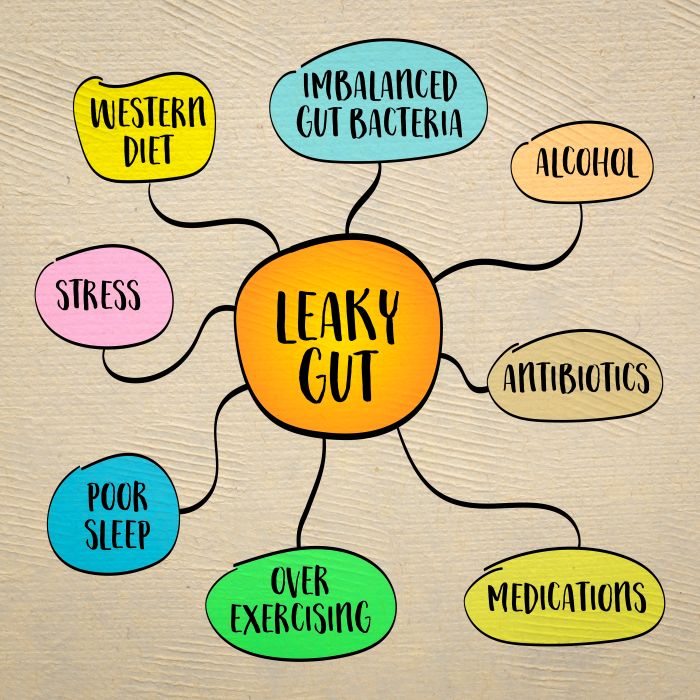 IMAGE: Shutterstock
 CAPTION: Healthy gut diet IMAGE: Shutterstock