According to the World Health Organization, right up there with climate change, air pollution and pandemics, growing resistance to antimicrobials is one of the top 10 threats to public health globally. But the solution may lie in a tiny honey bee.
Antimicrobials are medications used to remedy and avert infections. You might be familiar with some of them — antibiotics, antivirals, antifungals — to name a few. Some have been described as the most effective medicines created. The antibiotic penicillin is approaching its 95rd birthday on Sept. 28, and in 2021, it was estimated to have saved over 200 million lives.
The problem is antimicrobials are overused and misused, and this causes bacteria and other disease-causing organisms to develop resistance to their effects. Also at risk are areas where resistant microbes spread due to lack of clean water and public sanitation. So it is imperative to understand where the resistance exists to combat the problem.
This is where our friends the bees come in.
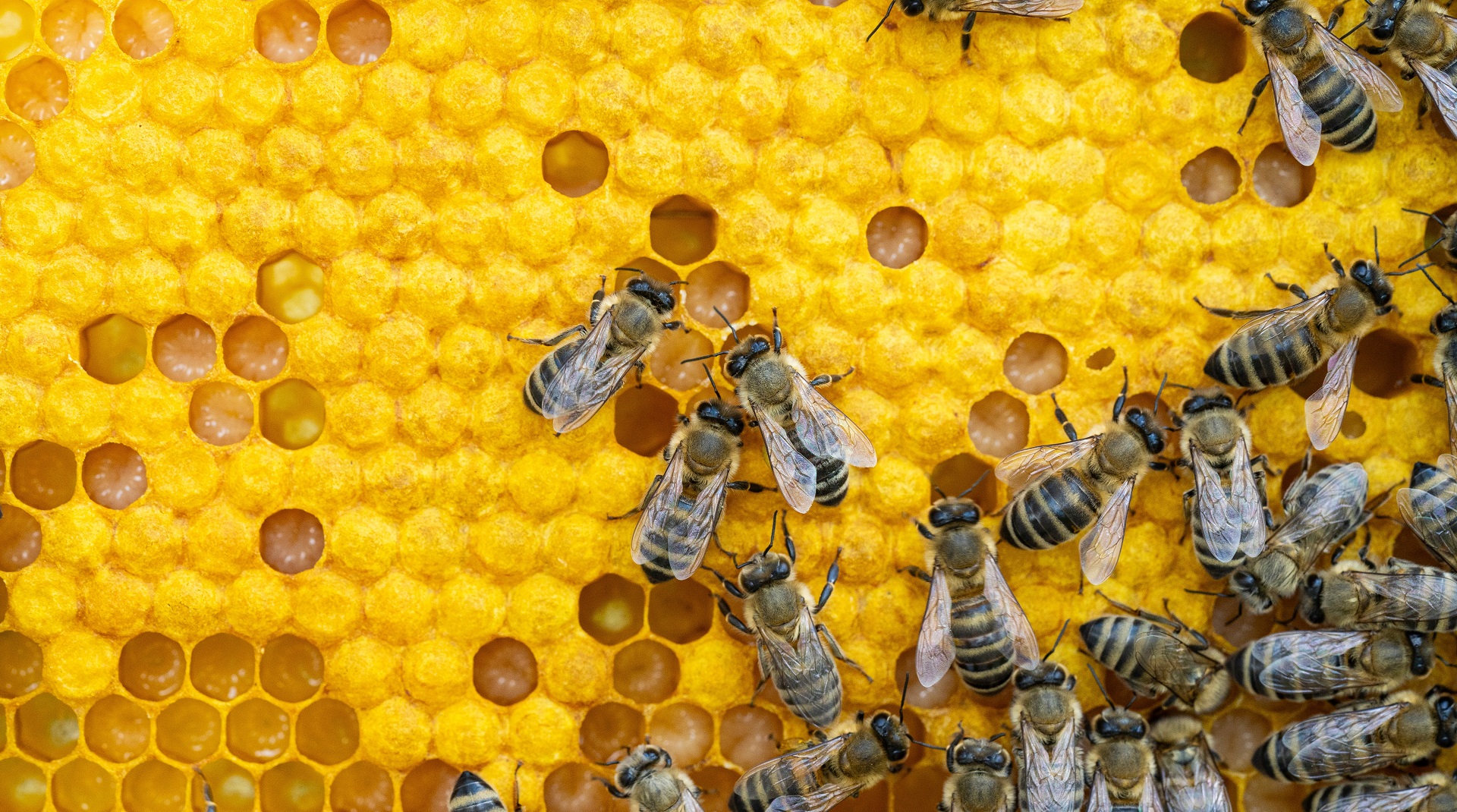
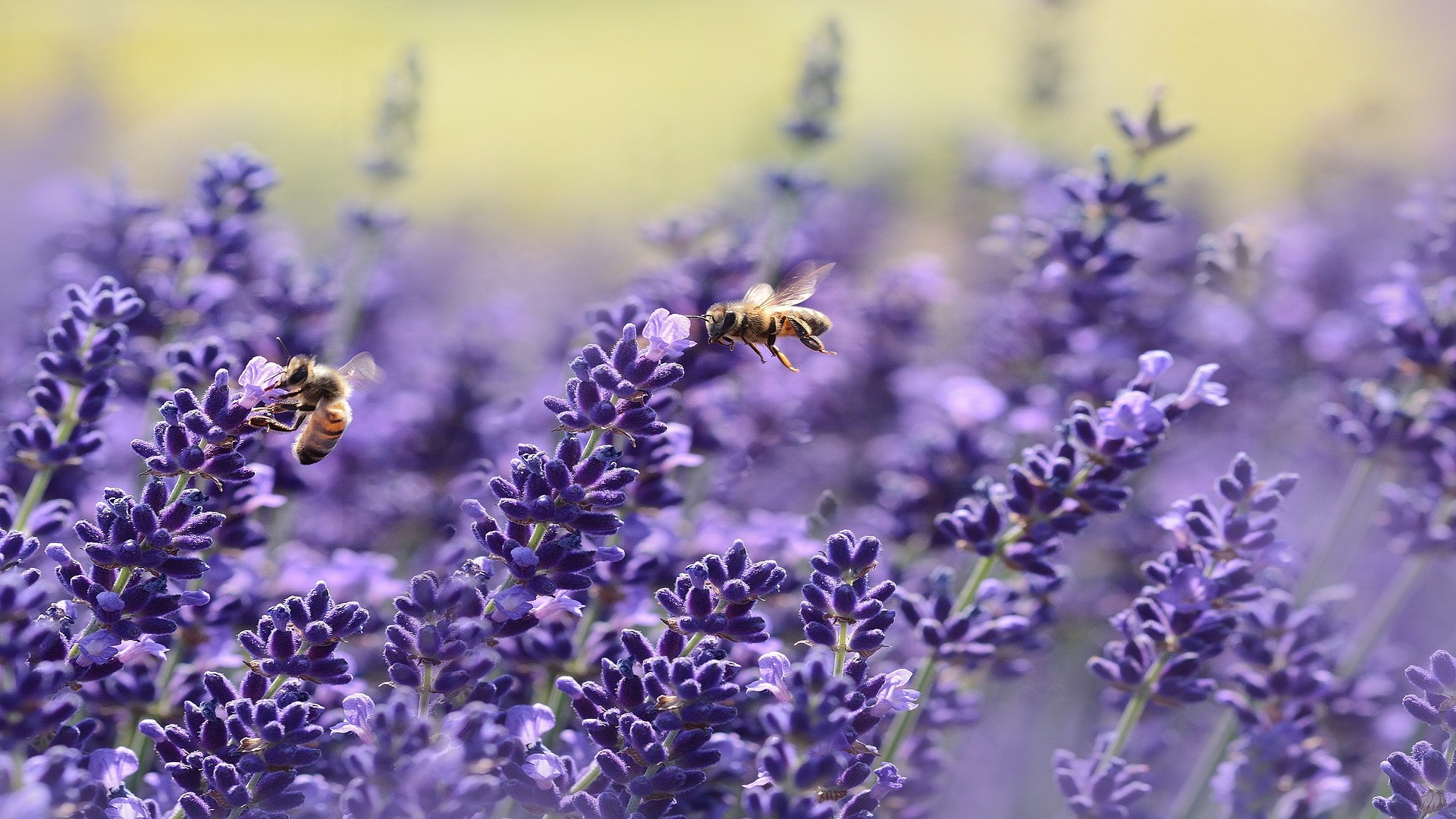
Bees come in contact daily with natural substances like water, soil, air and pollen — all containing evidence of antimicrobial resistance. A 2023 study revealed that honey bees, because they live where humans live, are an effective indicator of whether microbial resistance affects a population. And with an estimated 10 million annual deaths due to antimicrobial resistance expected globally by 2050, these small biomonitors could save a lot of lives.
The team from Macquarie University in Australia tested 144 European honey bees from 18 hives and determined that 83 percent tested positive for one or more antimicrobial resistance targets and 39 percent tested positive for two or more.
The short lifespan of the honey bee of only four to eight weeks and its 2.5 kilometer foraging area means the data is current and local. And with 700,000 deaths annually from drug-resistant diseases, the data needs to be accurate.
While honey bees can be found in almost every country in the world, the team acknowledges there are flaws in nearly every method of antimicrobial monitoring, and a global system of combined monitoring results would be most effective in combating the issue of antimicrobial resistance. Consistency in the methods would also enhance accuracy.
 IMAGE: Pixabay
Antimicrobial resistance isn’t limited to humans — plants and animals are also at risk. So, it’s imperative to also determine the sources of the resistant bacteria. The study reports, “It is crucial to determine the major sources that introduce resistant bacteria into the environment, which include sewage and sewage treatment plants, industrial sources, as well as agriculture and aquaculture.” It also indicates that there is far too little research in this area.
So, knowing whether these bacteria are picked up at the beach, local swimming pool or from eating local fruits and veggies could be a catalyst for temporary interventions.
Across the board, the team concludes a rounded and effective program includes a comprehensive surveillance system; determination of the extent of the resistance; understanding where monitoring is required; the most effective method of monitoring; and testing of microorganisms at the genetic level.
Regardless of the ”what,” everyone needs to be on the same page so the world needs a consistent and controlled handle on antimicrobial resistance and it needs to extend to areas where resistant bacteria have high risk of transmission.
Essentially, there is a ways to go before there is a cohesive system of monitoring and testing antimicrobial resistance, but the honey bees, with more than 3 billion colonies in the United States alone and an increase in the population by 80 percent since the 1960s, are a reliable and abundant resource.