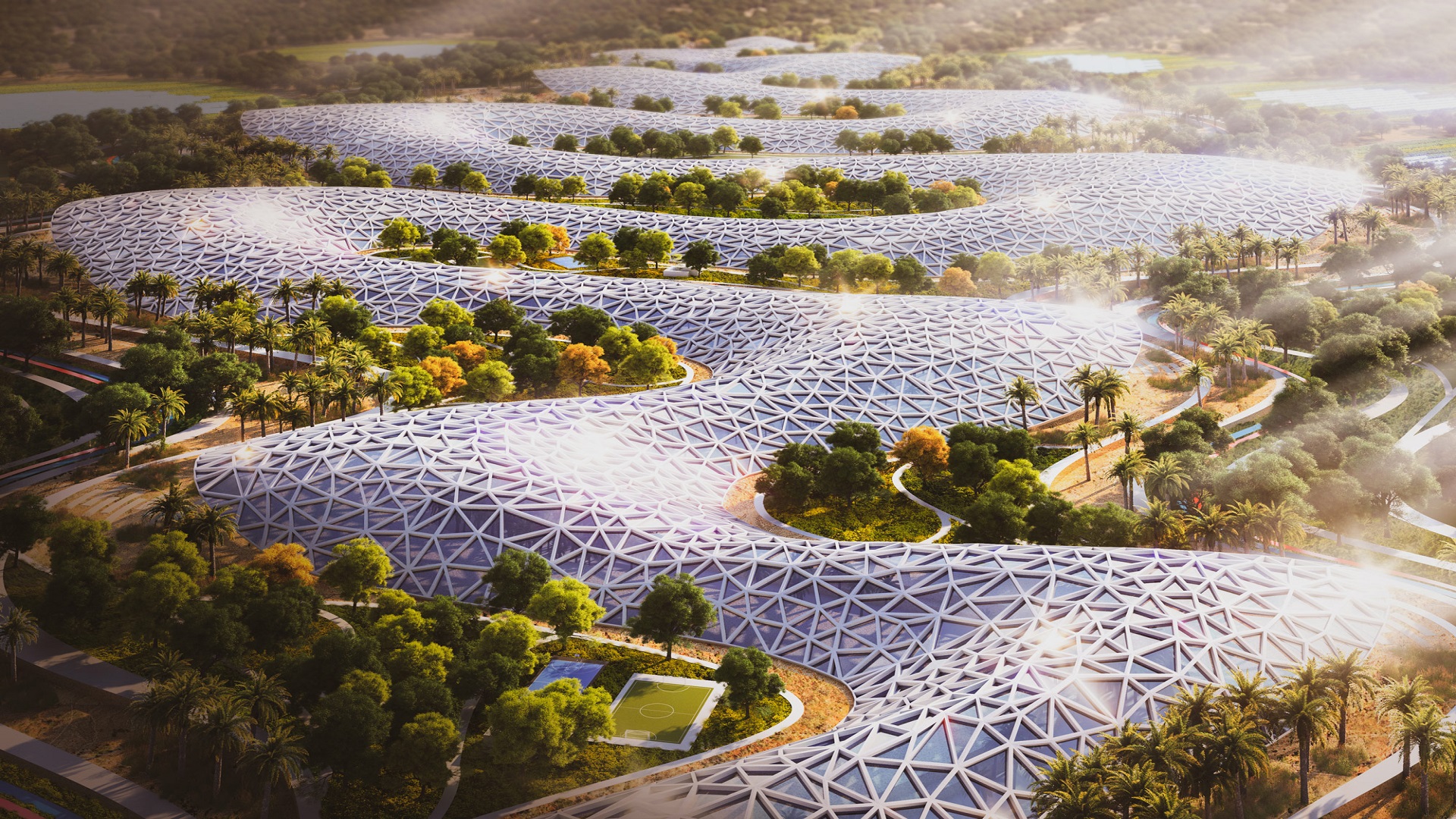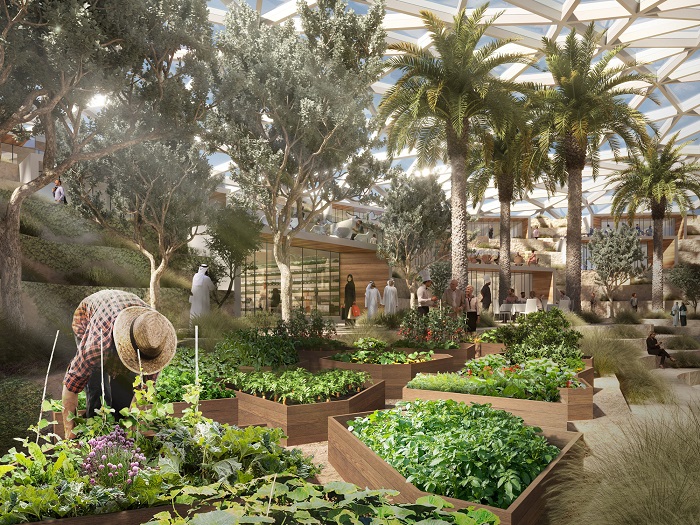

There are many reasons countries struggle with food insecurity: poverty, high populations in developing countries, conflict affecting supply chains, climate change and more. But some simply don’t have the temperate climate required to grow food and depend on outside sources.
The UAE is one such country, importing 90 percent of its food supply. And it isn’t waiting for global warming to affect the imports it has always relied on.
This doesn’t mean the country will do it alone. Part of the UAE’s National Food Strategy 2051 is to diversify international food sources through collaboration and trade, but the aim is to ensure food security. And that means getting creative.
The National in 2020 reported that the UAE government invested U.S.$100 million to bring in four agritech companies to explore how countries with hot and dry climates can use their technologies.
One of the companies is U.S. based Aero Farms. The company’s founder and chief executive, David Rosenberg, told The National, “Most places in the world, they don’t even want to be second. They want to be fifth or sixth, get it tried and true then come here, they say. In the UAE, you have boldness of ‘let’s do it bigger, better,’ and that was very attractive to us.”
Aero Farms in 2023 opened the world’s largest vertical-farming research-and-development center. The Abu Dhabi facility’s goal: Forge ahead with inside vertical farming and sustainable agriculture in dry regions.
But the UAE is not just looking at agricultural development, it’s also focused on the sea — in particular coral reefs.
According to URB, the Dubai-based company known for building sustainable cities and tasked with the reef project, coral reefs are one of the world’s most varied ecosystems.
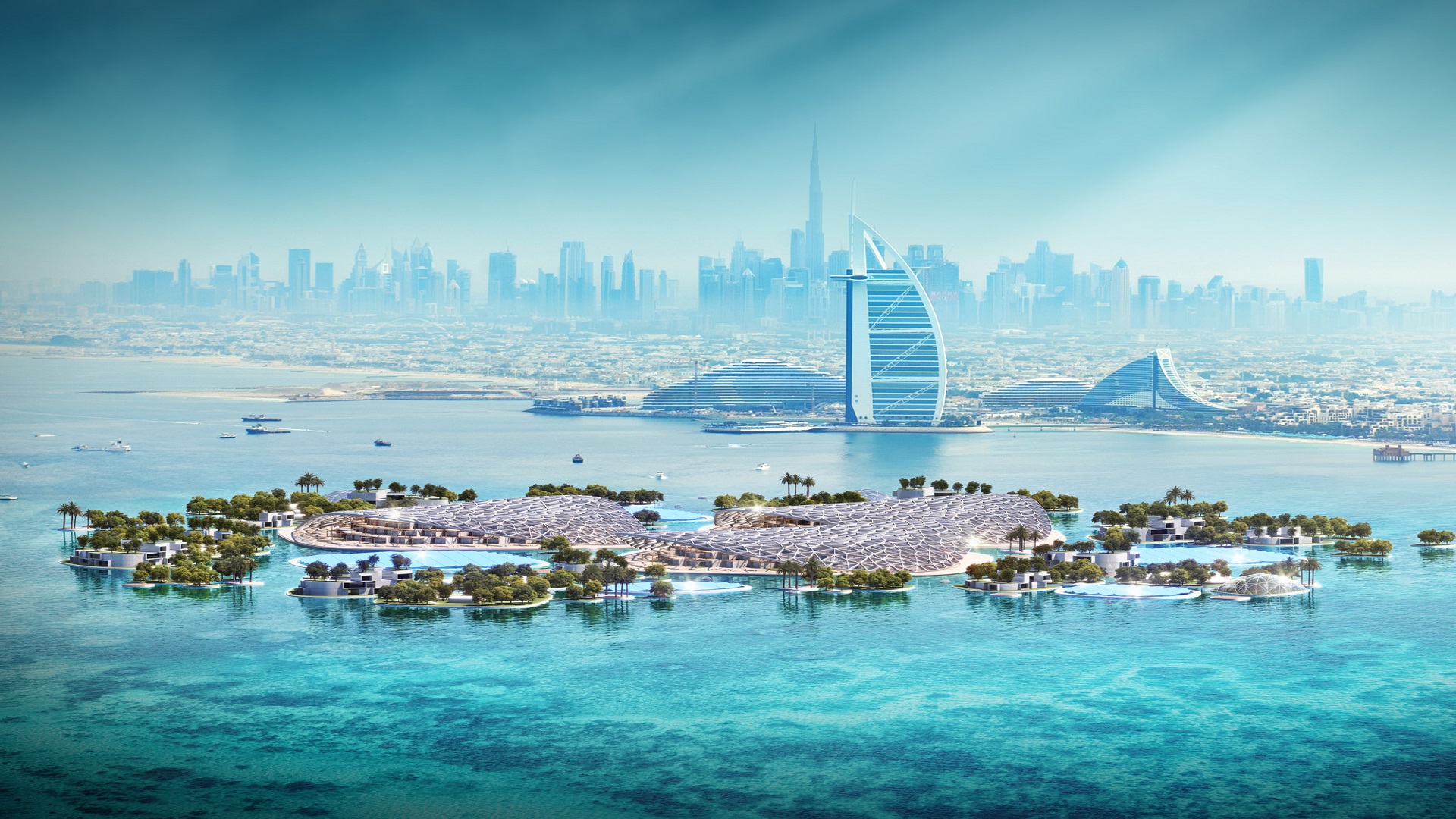
The recently announced Dubai Reefs project plans to create an artificial, 3D-printed coral reef spanning 200 square kilometers.
The ultimate goals: Repair the coastline from oil dredging and building; generate more fish; and boost eco-tourism and research.
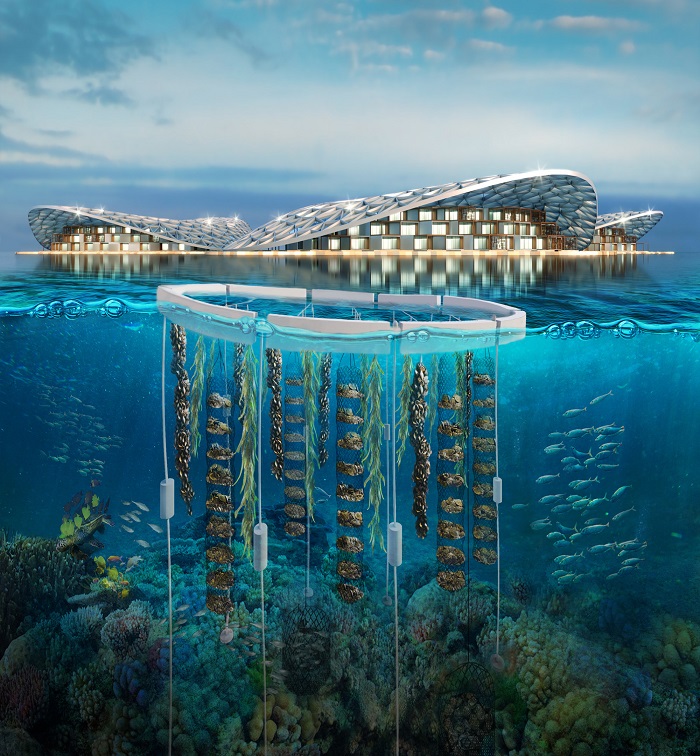 Caption: Underwater farming Credit: URB
“Coral reefs provide an important ecosystem for life underwater whilst playing an important role in water filtration, fish reproduction, shoreline protection and erosion prevention,” the company says in promotional material for the project.
The bottom line when it comes to food security: More coral reefs equals more fish.
Coral reefs and their surrounding areas are home to 25 percent of all marine animals; 94 percent of the Earth’s wildlife live in the sea.
The project also aims to boost the tourism sector with eco lodges, eco resorts and a research center parked right in the middle of it all.