
Send it back

Eugenia Kargbo is Freetown’s “chief heat officer,” an unusual title for a government employee.

Freetown, capital city of Sierra Leone, has always been hot, but it’s getting hotter. Climate change is making the mercury rise, and the urban heat island effect exacerbates the problem: On average, cities are 5 to 9 degrees hotter than rural areas. Kargbo says the data shows everywhere in Freetown is getting hotter, but some communities stay hotter throughout the day.
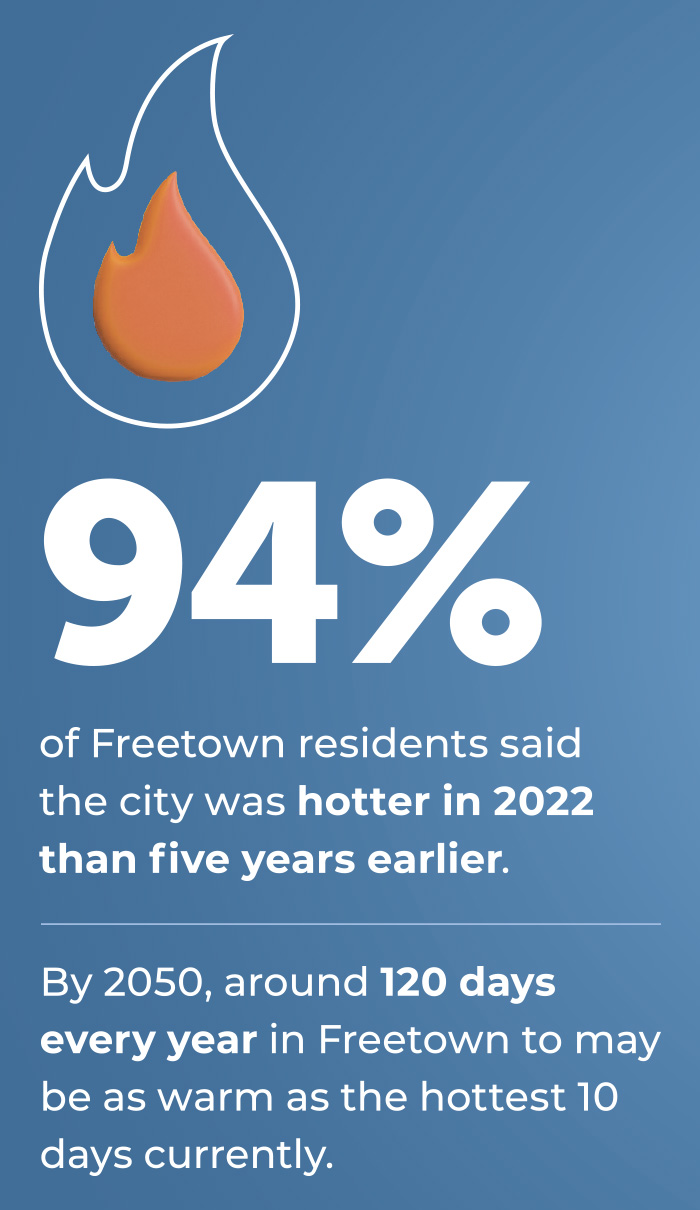
Freetown’s Climate Action Strategy reported 94 percent of residents said the city was hotter in 2022 than five years earlier. They’re not wrong.

Sierra Leone is the 18th most climate-vulnerable country in the world, according to the Notre Dame Global Adaptation Index. And Adrienne Arsht-Rockefeller Foundation Resilience Center data says by 2050, around 120 days every year in Freetown will be as warm as the hottest 10 days currently.

Kargbo had experimented with planting trees throughout the city and installing shading structures made of reflective plastic, but the real improvement was felt when a team of researchers approached her with an ambitious plan: Cover roofs with mirrors to reflect the sun.

Mirrors for Earth’s Energy Rebalancing (MEER) was founded by Harvard University’s Ye Tao. His theory? Develop “nontoxic surface-based reflectors that can redirect solar radiation back into space.

This isn’t actually so crazy. We know that ice- and snow-covered areas offer the albedo effect, where light-colored surfaces return a large part of the sun’s UV rays back to the atmosphere.

It’s why skiers and pole-trekkers need sunglasses and sunscreen. The planet has a natural “surface-based reflector” mechanism in snow and ice.

But with climate change come increased global temperatures and a dramatic loss of sea ice at the poles, snow in the mountains and glaciers in the north. Darker surfaces absorb a larger fraction of the incoming solar radiation, creating a vicious cycle.

MEER’s project aimed to cover buildings in Freetown with a reflective film made out of recycled PET plastic and aluminum. They started small: Two buildings got the film, another one was painted white and a fourth had a new metal roof installed. The two mirrored buildings were 15 degrees cooler than the surrounding buildings without the film, while the white-roofed building experienced a 3 degree cooling effect. MEER says if the entire neighborhood were covered, the cooling effects would be even greater.
Researchers at the University of Maryland are taking a similar approach. They developed a reflective coating using glass and aluminum oxide particles that can be painted onto roofs and roads.

The team’s “cooling glass” is environmentally stable — able to withstand up to 1,000 degrees — and uses finely ground glass particles to recycle and avoid polymers.

The particle size maximizes infrared emissions and reflects sunlight through the atmosphere back into space. The glass paint also comes in four colors.
George Ban-Weiss, an environmental engineer at the University of Southern California, says it’s simple to paint roofs white or light gray to increase the albedo effect — in theory. In reality, if this happens at a large enough scale, Ban-Weiss says it could have an unintended regional side effect.

In coastal cities, for example, the urban warmth contrasting with the ocean drives a reliable sea breeze. Bring the temperatures closer to each other, and there could be less of this wind, which would mean less clean air and a reduced natural cooling effect.

Not just where roofs are but their shapes matter too. Covering flat roofs would project the rays straight back to space, but slanted roofs could shine on the ground or the city’s inhabitants, heating them instead of the buildings.

One skyscraper in London is notorious for this. 20 Fenchurch St. is covered in glass — normal glass, not cooling glass — and its shape concentrates and reflects the sun’s rays into a beam of light that hits the pavement and makes it hot enough to fry an egg.

“It’s kind of a tug of war,” Ban-Weiss says. “You’ve got a reduction in air temperature to make people more comfortable.” But at the same time, he adds, sunlight reflecting off the side of a building could make pedestrians less comfortable.

Portland State University’s Vivek Shandas studied the heat island effect in over 100 U.S. cities. He says thinking about heat reduction is still very novel in urban planning: “When we’re talking about a place that’s designed in a particular way, how has the climate system been brought into the design of that place? How has the infrastructure been brought into its ability to mediate or moderate the amplifying temperatures? These are the kinds of questions I think we’re really up against here.”

More like this: Solar Impact
Camels vs. superbugs

Antimicrobial resistance is listed among the top 10 biggest threats to humanity by the World Health Organization. And the most prevalent is drug-resistant bacteria.

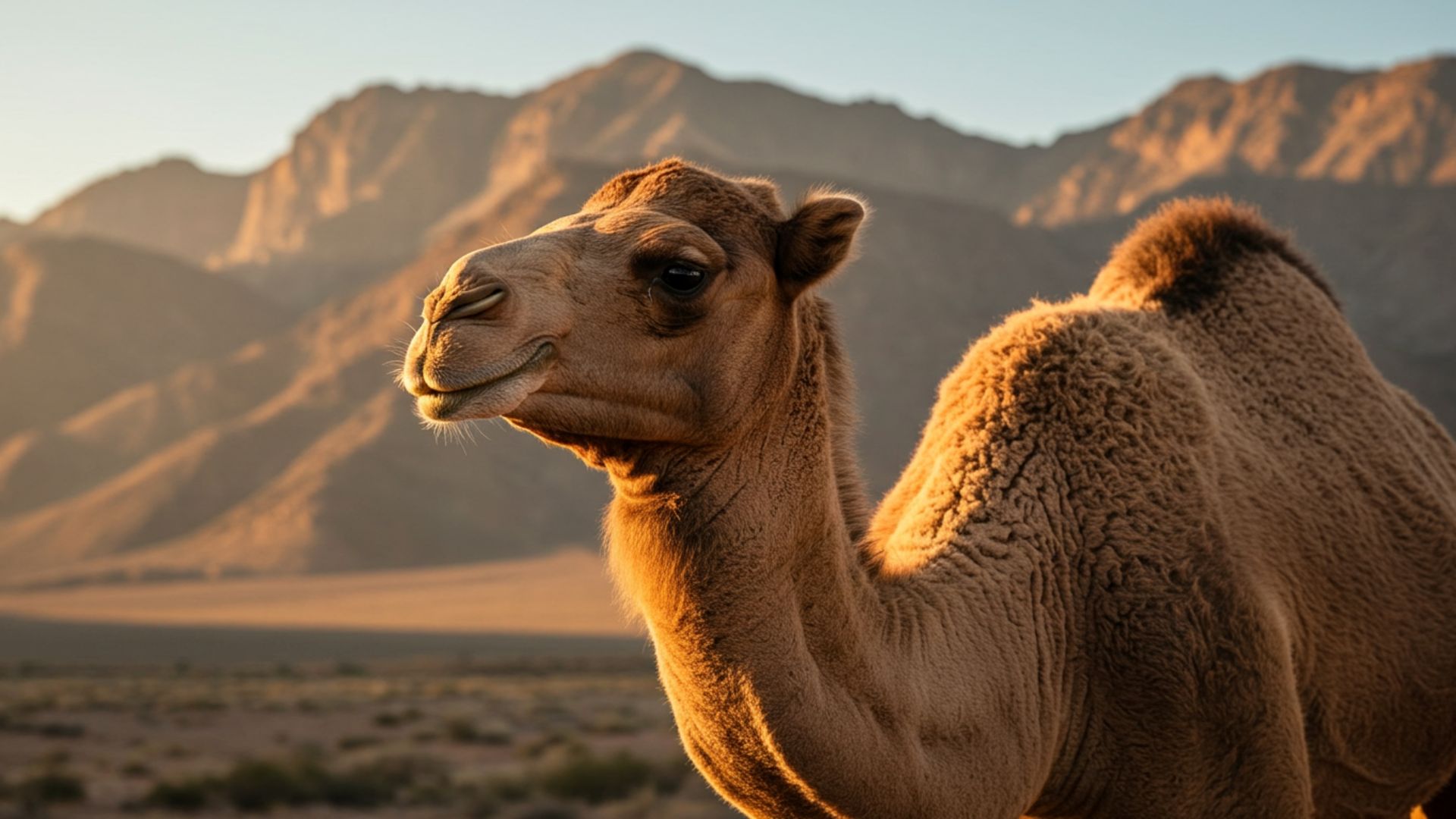
But help might be on the way from the dromedary camel.

A new study published in Frontiers in Immunology discovered three teeny infection-fighting molecules called peptides in camel blood.

These peptides can be considered microscopic guards. Two of the three packed a lethal punch against dangerous bacteria that include MRSA and resistant strains of klebsiella.

They are successful by effectively punching holes in bacteria resulting in cell leakage and ultimate collapse.

What’s the catch? Before medical use, further tweaks are required as one of the peptides can damage human red blood cells at increased doses.

The findings, however, suggest that camels that are naturally built to survive harsh desert climates may provide high-powered tools that could be a catalyst for future antibiotics.

More like this: Immune cell sabotage

Arctic plants make an epic comeback

Sealing Arctic plants in ice all winter might seem redundant, but researchers in Svalbard, Norway, did it anyway over five years.

Over five winters, the research team iced the plants and then slowly warmed it in the spring and summer months to observe the impact of slow warming on the tundra.

The slowly warmed plants grew sluggishly in spring.

The good news, though: They did eventually catch up.

However, the plants that had been covered in ice also often failed to flower, sometimes producing half as many flowers as those not iced over the winter. Fewer flowers equals lower reproduction.

The research, published in the Journal of Ecology concluded that while Arctic plants are incredibly resilient, the icy winter that results from Arctic warming comes at a cost and could reshape the tundra.

More like this: Arctic faces rapid, permanent change

Whiskers meet wireless

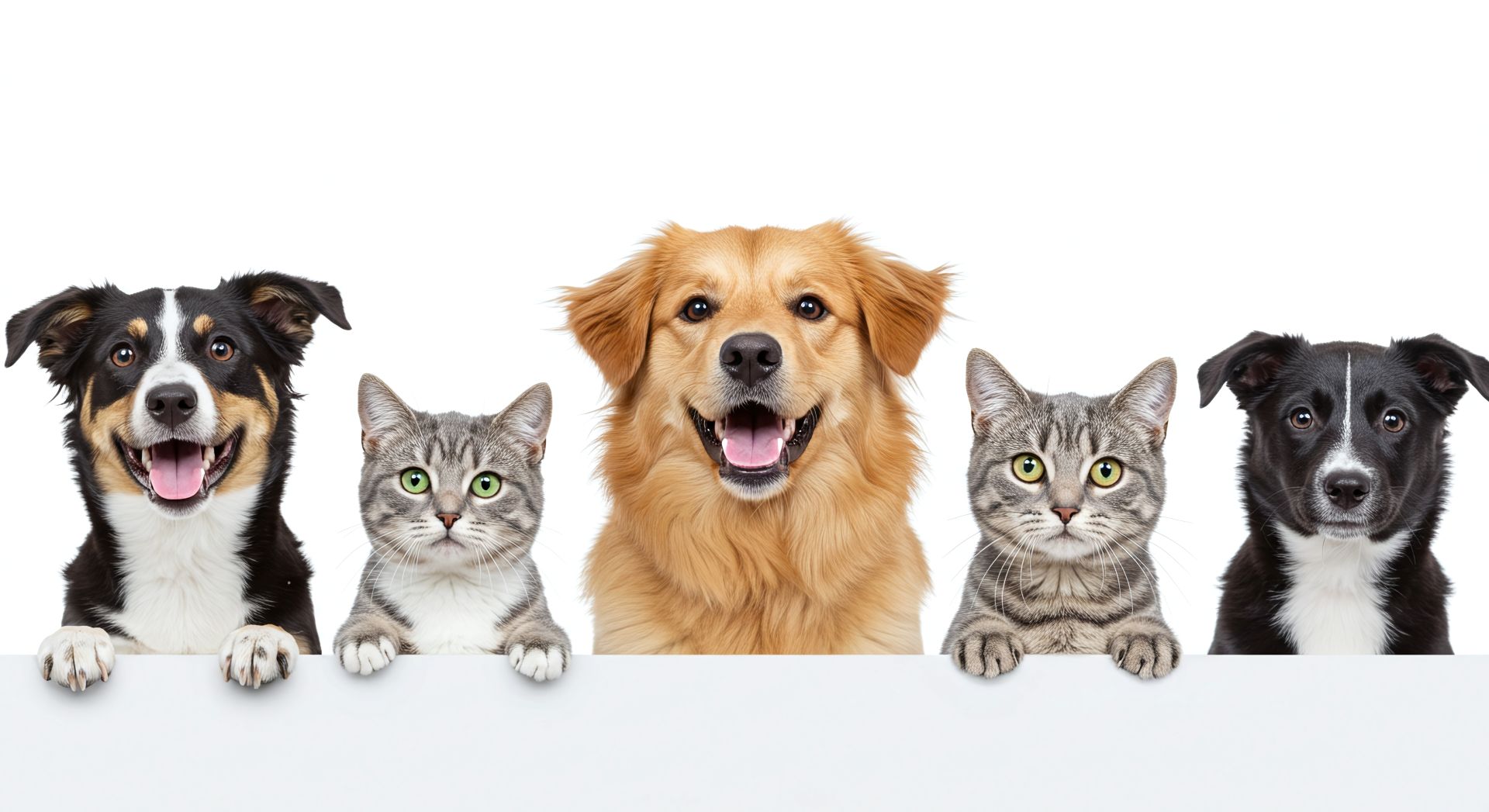
The UAE is home to an estimated 100,000-150,000 stray animals. The population is largely managed and cared for through trap, neuter, return (TNR) programs, but once cared for and returned to their communities, these fur babies need to eat. Thanks to Dubai’s new AI feeder program, these needs will now be met.

Dubai Municipality has launched a pilot program that includes a dozen AI feeding stations around the city at strategic locations including 10 public parks and two within Dubai Holding residential communities.

The stations are equipped with sensors that detect an animal approaching and dispense adequate portions of food and water.

According to local news agencies, Naseem Mohammed Rafee, Acting CEO of Dubai Municipality’s Environment, Health and Safety Agency, says, “The pilot initiative combines advanced technology with humane practices to manage stray animal populations, protect public health and support ecological balance.”

The Ehsan stations monitor feeding, detect strays and collect data to keep feeding organized and less random. Ehsan, an Arabic term implying doing good deeds with the utmost sincerity, represents the UAE’s commitment to animal welfare and sustainability.

And the new stations that provide food and water are in conjunction with the Fountains of Mercy water dispensers also provided by the municipality.

The 50 fountains that provide clean drinking water are evenly distributed among desert/rural areas for wild animals and urban locations to serve the local bird population. They are high-quality, solar-powered and built with sustainable materials for long-term animal care and sustainable practice.

Animal care in the UAE has become a matter of keen focus for the Animal Welfare Agencies in recent years. The feeding and water stations not only provide vital nutritional care for the animals but important data integrating the TNR program. This allows people to track, monitor and provide much needed healthcare to stray animals, ultimately contributing to the safeguarding of public health.

More like this: Healthier cats, healthier communities

Let’s decode the planet’s nitrogen problem

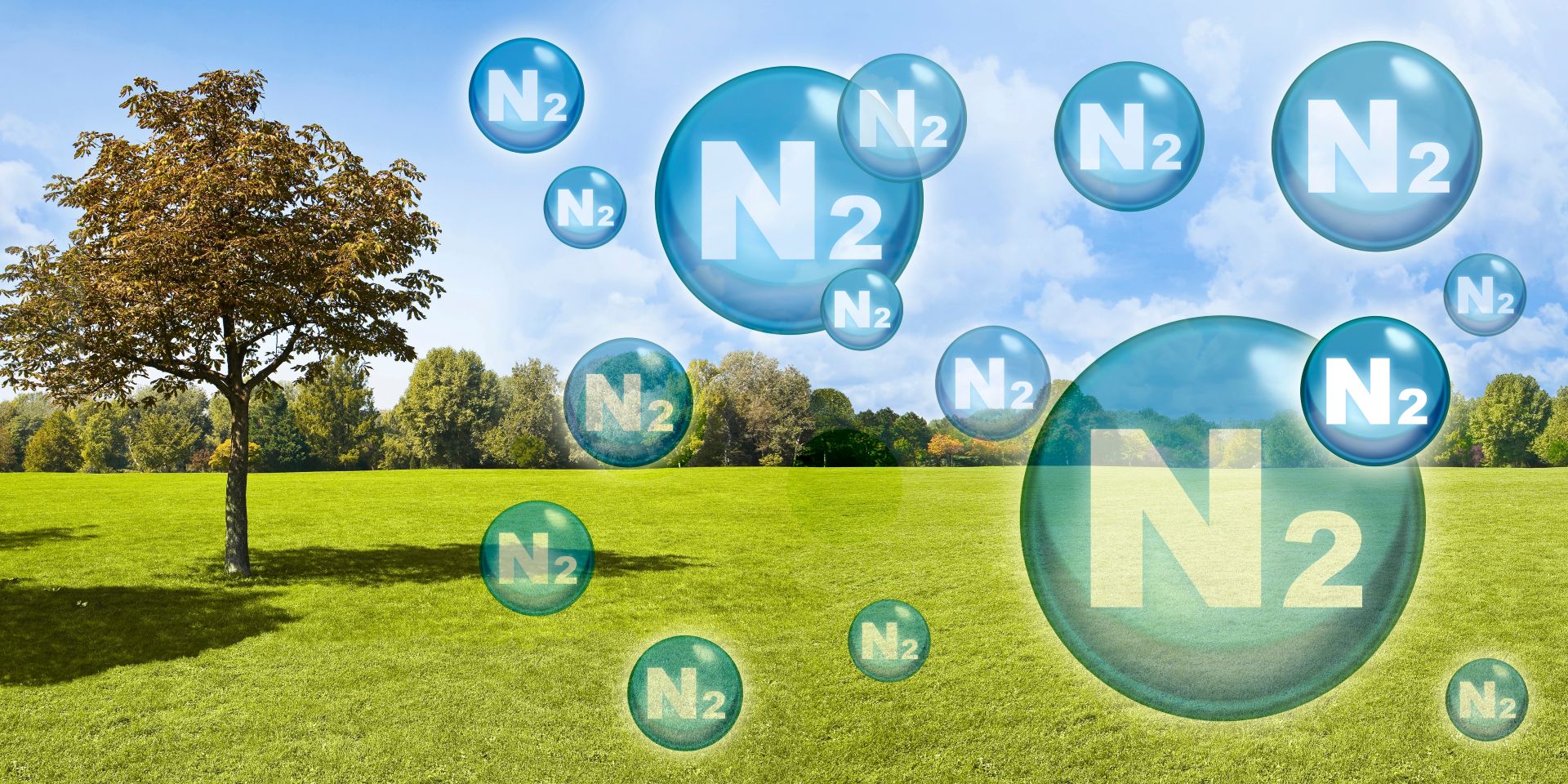
Through fertilizers, fossil fuels and agriculture, the planet’s nitrogen system has been in supercharge mode since the Industrial Revolution. This means more air pollution, burdened ecosystems and excess greenhouse gas emissions.

Scientists are working hard to combat the fallout, and it seems tiny chemical isotopes may come in with the assist.

Isotopes are like tiny barcodes that scientists use to track the source of all that nitrogen and where it ends up. Each isotope acts like a fingerprint that helps researchers determine which pollution comes from cars, factories, forests or soil.

The recent review published in Nitrogen Cycling shows that forests actively modify incoming nitrogen rather than simply letting it fall straight through.

It also shows plants may use more nitrate than we thought and that processing nitrogen takes up a large amount of plants’ energy.

By connecting climate models and isotope tracking, scientists aim to better predict how nitrogen pollution will impact our warming world, and how we might ultimately curb it.

More like this: A reforestation goldmine