
When songs go viral

You might think that music just hits the market and if the people like them, they go viral. But there’s a lot more at play here, and it’s not just the listeners who decide.

Music hits don’t just happen these days — the platforms where we listen to them are influential and play different roles in whether a song takes off.

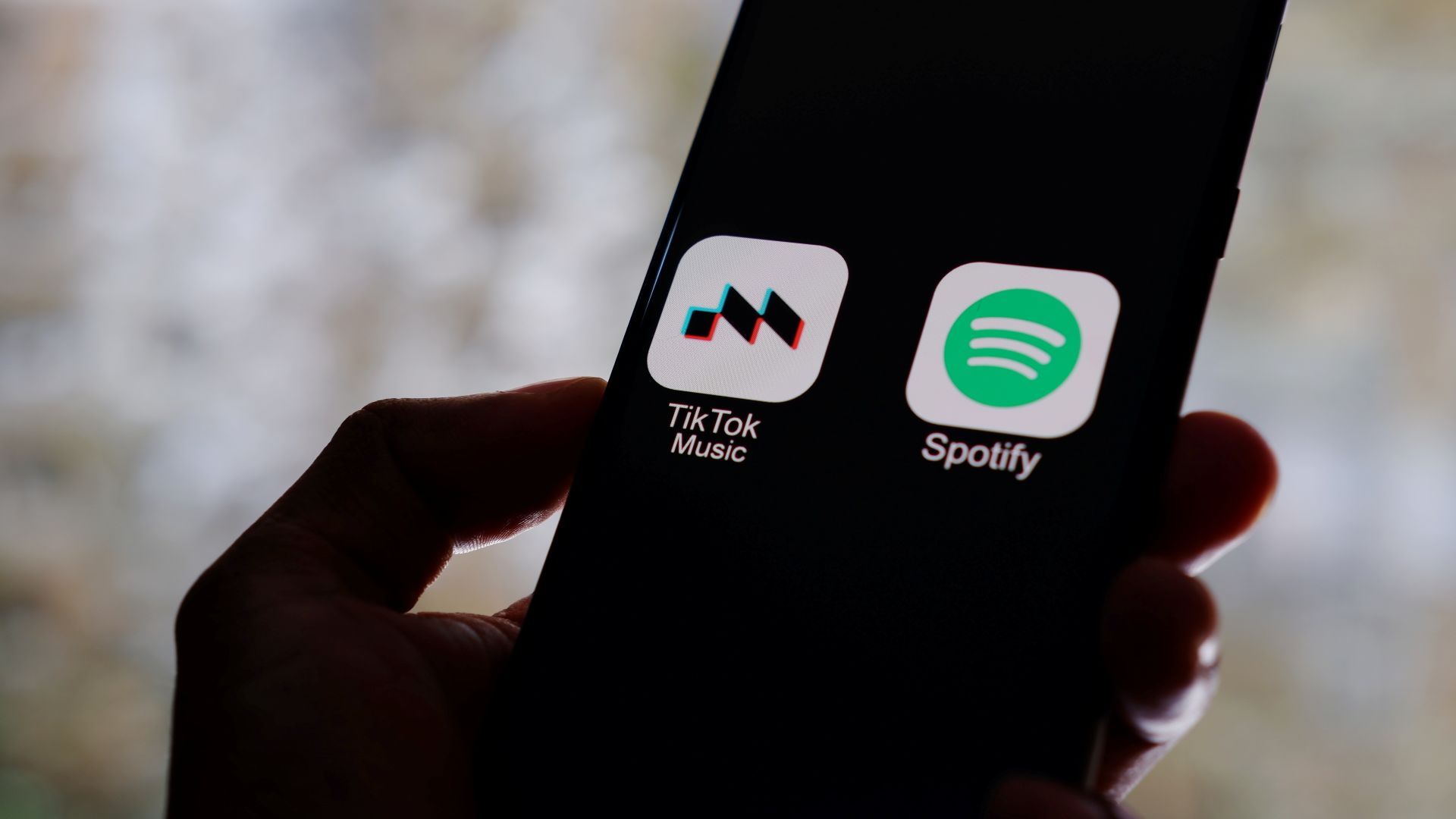
A recent study comparing two years of top 100 charted music, from both Spotify and TikTok, reveals that the platforms reward different kinds of artists and kinds of music. Tracking over 1,700 Spotify hits and over 300 TikTok hits, they were able to diffuse how songs become famous.

On Spotify, major-label artists rule its charts, very much like the music industry. And songs about common themes like romance typically do well.

But TikTok is different. Its short video platform prefers catchy, danceable excerpts that patrons can repurpose in memes, trends or challenges. And when a song begins to head in the viral direction the algorithm pushes it harder. This means fewer songs dominate the charts, but those that do are around longer.

Notably, the study reveals that many viral TikTok songs began their popularity momentum on Spotify first. So, Spotify launches hits and TikTok makes a cultural moment out of it, exploding it across the internet.

These platforms are reshaping how today’s songs become hits.

More like this: How Cold Play take sustainability on tour
Social media is not your friend

In the final quarter of 2023, Meta-Gallup published a survey in which 24 percent of people over the age of 15 across 142 countries reported feeling lonely. While the majority lay with the younger population, a new study into the connection between loneliness and social media use suggests that it may no longer be the case.

The study out of Oregon State University says that though we might be laughing at TikTok, Instagram or Facebook posts, social media is not preventing us from feeling isolated and alone.

The longitudinal study published in the International Journal of Environmental Research and Publish Health of over 1,500 people 30-70 years old, indicates that U.S. adults who spend more time on social media or checking platforms are significantly more likely to report feeling lonely.

The loneliness correlates to how often participants checked their social media accounts. Notable results showed associations between time spent on social media platforms and loneliness followed an inverted U-shaped pattern. Loneliness peaked at moderate levels of use and declined slightly at the highest levels.

The study indicates that social media use frequency may be a particularly strong driver of loneliness and modifying use could mitigate its psychosocial impacts.

More like this: Feeling anxious? Social media might be to blame