

Back off, pain nerves

Lower back pain also called LBP, is considered the world’s leading cause of disability. But a key to alleviating the suffering may lie in a bone-strengthening hormone..

Aging bones aren’t always the problem. Mischievous nerves are a large part, and a new study shows that spinal damage offers an open invitation to pain-sensing nerves to reactive areas that amplify pain.

A recent study published in Bone Research, however, may indicate a solution.

When scientists introduced small doses of parathyroid hormone, or PTH, it resulted in pain-signal reduction in mice by improving spinal bones. The bone cells released Slit3, a protein that prevents excess nerve growth in the spine. Fewer nerves equals less pain.

When the research team blocked the PTH or Slit3, pain relief vanished.

Ultimately, the study offers proof that PTH doesn’t simply reduce pain, it alters the fundamental problem by reviving balance between nerves and bones.

This could be a potential catalyst for smarter treatments and relief for people with chronic lower back pain.

More like this: Mice feel each other’s pain through sound
No bones about it

There are many physiological processes our bodies need calcium for, like building bones, contracting muscles (including the heart) and operating neurons. Calcium concentration in our bodies is typically regulated by the endocrine system using parathyroid hormones (PTH) and calcitonin.

PTH releases calcium from bones when blood calcium is low to maintain these functions. But what happens when you don’t have bones?

Well until now, it’s been a mystery.

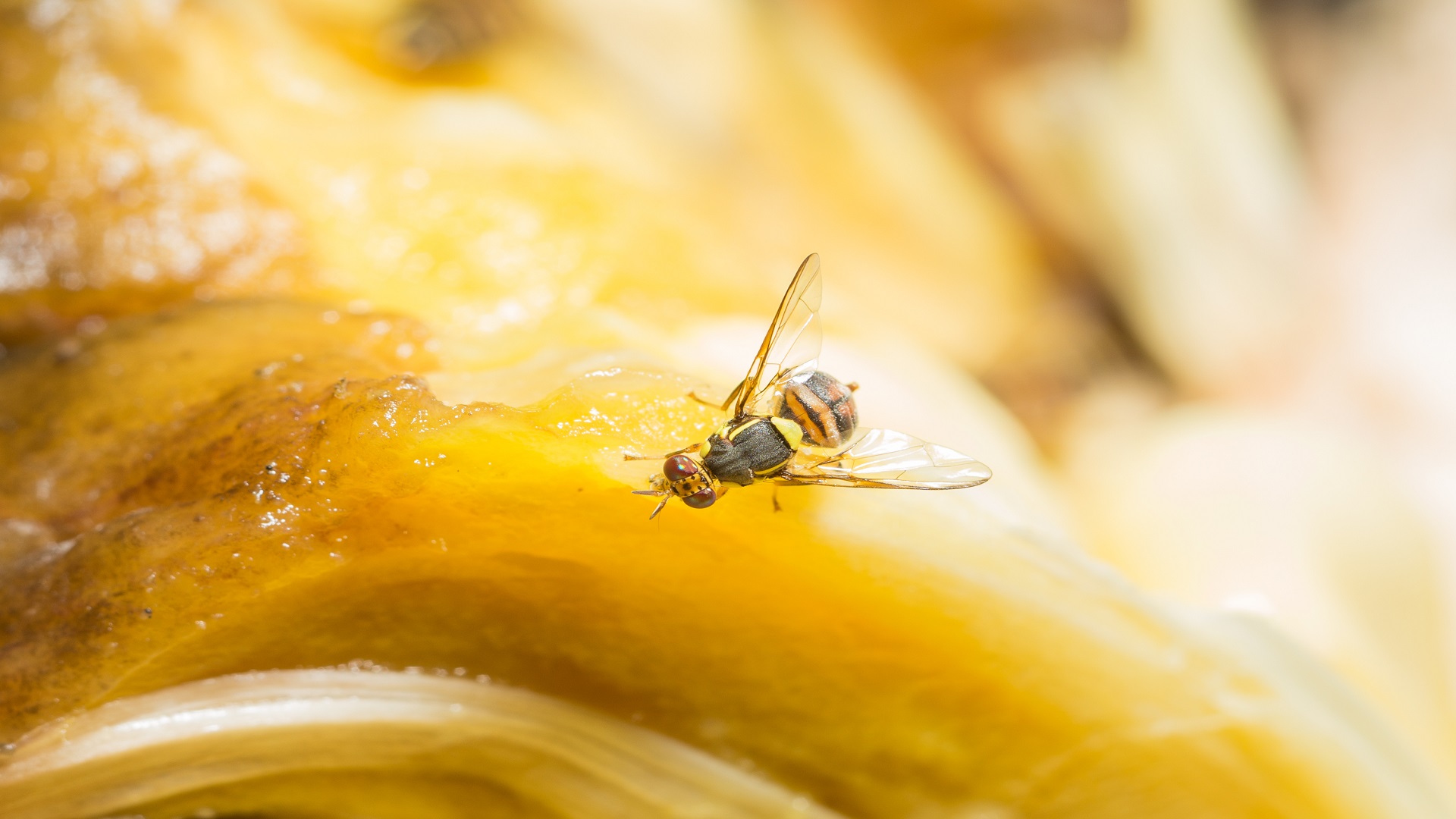
A new study from the University of Tsukuba, Japan, published in Nature, has discovered that peptide hormone Capa regulates calcium in the body fluid of the fruit fly Drosophila melanogaster.

“The team further discovered that Capa is secreted by specific neurons in the cranial nervous system and acts on the apical region of the Malpighian tubules — organs analogous to vertebrate kidneys — to mobilize calcium from “pearl-like calcium granules,” says the University of Tsukuba Research News.

This discovery offers the first evidence that animals without bones contain an endocrine system regulating calcium concentration.

More like this: Natural peptides might guard against COVID-19