

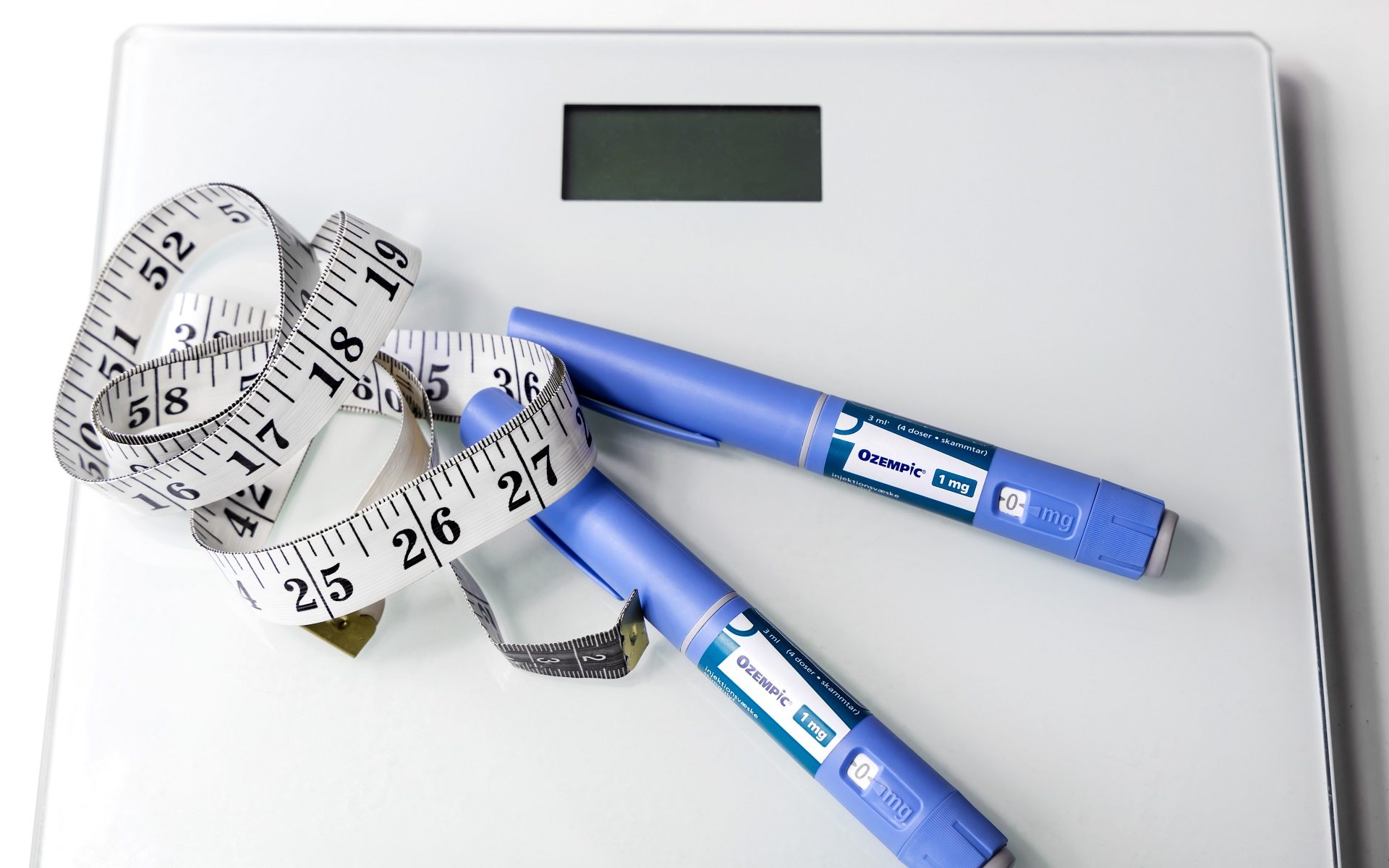
You have likely heard of the weight-loss drugs that have stormed the market in the past year. And maybe you’ve even considered taking one but wondered if it would really work. Well, wonder no more — there’s a new genetic test that will answer that question.
Researchers at the Mayo Clinic have developed a genetic test that can determine if weight-loss drugs are a solution for you or if they would be a waste of your money and time.
About 650 million adults struggle with obesity worldwide. For many, these drugs are the answer to lifelong struggles and obesity-related health issues. The GLP-1 drugs, for example, work by targeting satiety – the biological process that tells us when we are full.
The team, knowing obesity is a complicated ailment made up of much more than genetic factors, was able to measure calories to satiation (which differs among individuals). This, the team says, is “an actionable trait that can be potentially modified by several weight-loss interventions, and, as a result, is a key factor that could enhance weight-loss response through a precision medicine approach.”
“Genetic predisposition plays a critical role in regulating appetite and modulating responses to obesity treatments,” the Mayo researchers say. “Genetic risk scores and polygenic risk scores provide insights into an individual’s inherited susceptibility to complex conditions such as obesity.”
The research was based on two medications, hentermine-topiramate (marketed as Qsymia), and a newer GLP-1 drug, liraglutide (Saxenda).
“Patients deserve treatments that reflect their biology, not just their body size,” says Andres Acosta, a senior author on the study and gastroenterologist at the Mayo Clinic. “This test helps us deliver the right medication to the right person from the start,” he tells the Mayo Clinic News Network.
Test results are expected soon on such semaglutide medications as Ozempic and Wegovy. Further tests will investigate the likelihood of side effects and gut-microbiome and metabolome data.
More like this: Obesity expert has the skinny on semaglutide
