Wear a coat

Scientists at West Virginia University have made major strides with high-tech batteries known as protonic ceramic electrochemical cells (PCECs) that are responsible for cleaning and storing clean energy.

Typically, when exposed to hot, humid steam, PCECs break down quickly, making them impractical for industrially relevant use in grid-scale energy storage.

The researchers, however, have built a protective coating that addresses this issue.

The coating, a sponge-like ceramic structure covered with an ultra-thin layer of PBNO — a steam-tolerant material — protects the sensitive parts from steam damage while allowing the cell to continue functioning.

This means the cells can operate dependably for more than 5,000 hours at 600 degrees Celsius in steamy conditions, which is a record for this technology.

The paper published in Nature Energy states that the cells can also handle sudden temperature changes and work more efficiently.
This means potentially making long-lasting, efficient energy storage possible, helping solar and wind power supply energy around the clock.

More like this: Meet Glaphene
Germ-killer making you itchy?

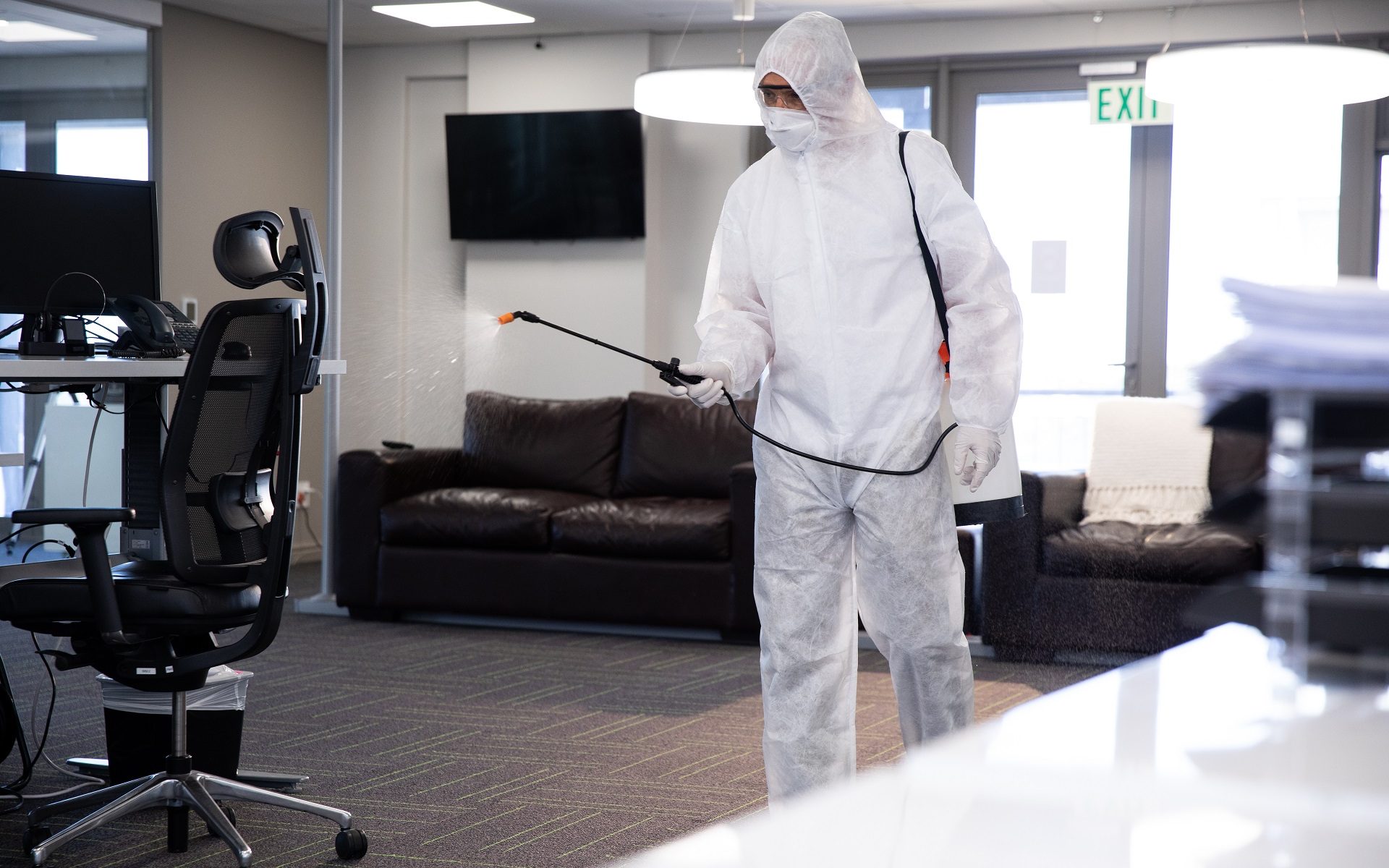
The umpteen soaps and toothpaste products on the supermarket shelves that boast germ-fighting chemicals might be doing more harm than good — especially for your kids.

The antibacterial chemical, triclosan, used in household products to inhibit growth of a variety of bacterial and fungal species, has been banned in various products around the globe for good reasons: It has been linked to serious health conditions like endocrine system damage and breast cancer, and could potentially pose significant risk for antimicrobial resistance.

A new study of 347 children aged 1-12, published in Environmental Health Perspectives, reveals that those with higher triclosan levels are also 23 percent more likely to have eczema and 12 percent more likely to struggle with allergies such as hay fever.

Researchers believe that triclosan could wreak havoc on the immune system by disrupting healthy bacteria that train our bodies not to overreact to harmless things like pollen.

This is in line with the hypothesis that suggests too much sanitizing may make kids more allergy prone.

Although in 2020 triclosan was banned from soaps and hand sanitizers, it still finds a way into other products like toothpaste and cutting boards.

If your child struggles with allergies or eczema it is advisable to check labels and be wary of those that include triclosan.

More like this: This disinfectant is delicious

AI builds super-charged proteins

Scientists at the University of Illinois have made it possible to command a computer to enhance a protein and a robot does all the work — no PhD needed. This new system mixes artificial intelligence with lab automation.

In a recent study, published in Nature Communications, researchers showed off a robotic setup that takes a protein’s fundamental makeup, experiments with hundreds of tiny tweaks and finds the best-performing version without any human stepping in to decide what to try next. The result is enzymes that work significantly better than before.

The team succeeded in boosting one plant enzyme’s ability to pick the right chemical by 90 times and made it 16 times faster at completing its job. They also upgraded a bacterial enzyme to work 26 times better at a pH level important for animal feed, potentially helping farmers and food producers.

The ease of the platform’s use is highly notable as it was trained to predict useful changes and could easily be operated by a layperson with simple, plain English commands. The testing, planning and analysis are all taken care of inside a modular robotic lab.

This could accelerate methods of creating better medicines, greener chemicals and more efficient industrial processes as protein design can be as simple as giving a computer a task.

More like this: The AI will see you now

Immune cell sabotage

Antibiotic resistance, a specific type of antimicrobial resistance (AMR), is a growing global health concern. This occurs when bacteria develop resistance to the antibiotics created to kill them.

As antibiotic resistance grows, viruses called bacteriophages that are used to attack bacteria are making their mark as a new method of fighting infections.

The problem is alveolar macrophages, immune cells in the lungs, clean up these viruses before they can do their job.

A group of researchers in Paris, France recently discovered that in mice with complicated lung infections in which the macrophages were active, the phages were gone quickly and the infections remained. But in the mice without the immune cells, the phages were able to completely wipe out the bacteria.

This demonstrates that though microphages help to fight infection, they can also sabotage phage therapy by eliminating helpful viruses.

The paper, published in Nature Communications, says strategies are needed to work around these immune cells in order for phage treatments to succeed against drug-resistant lung infections.

More like this: There’s a new kind of neighborhood watch, and it’s the bees knees

Off the cuff

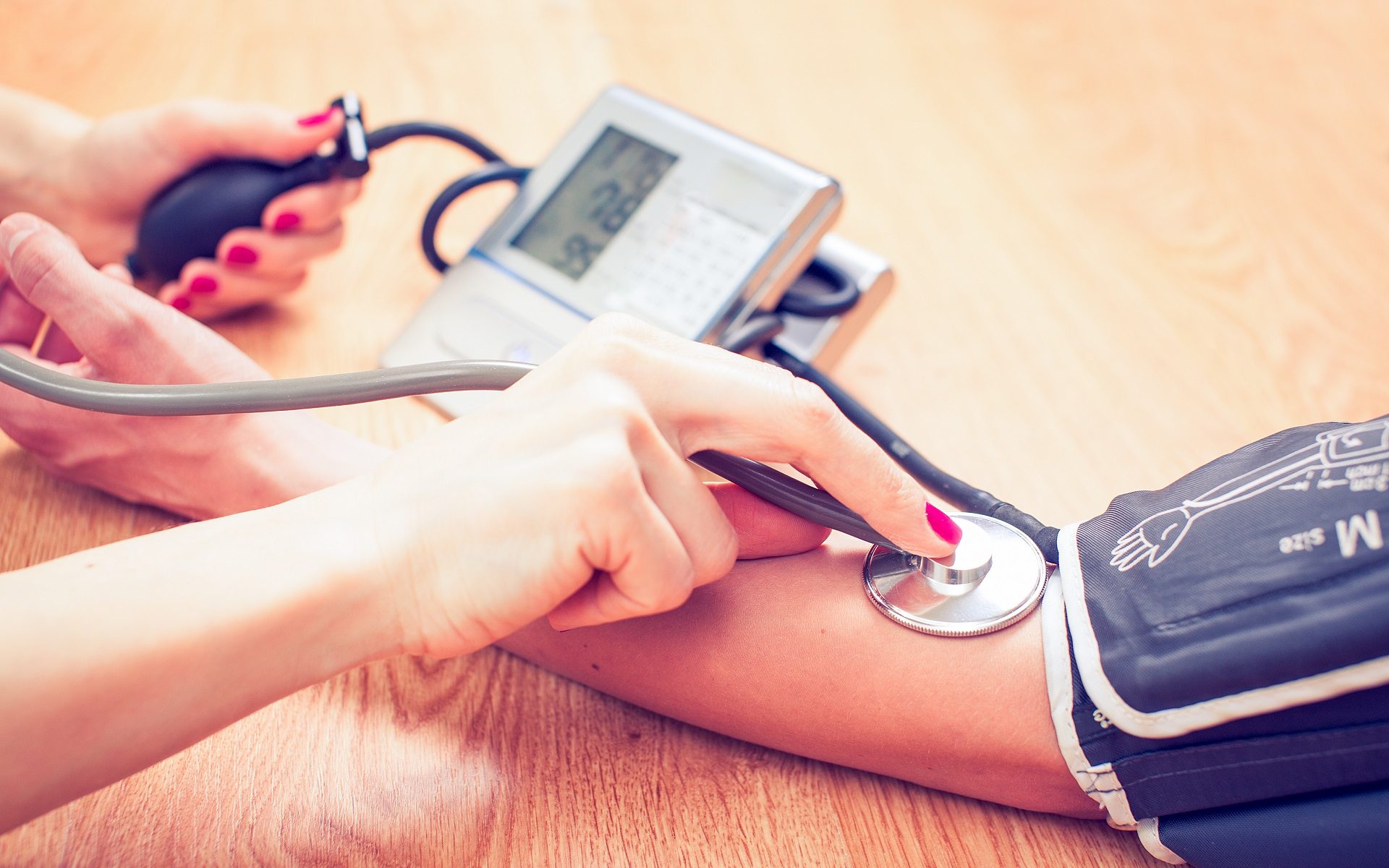
The bulky blood pressure cuff that inflates and squeezes the bicep to within an inch of combustion is something many patients are familiar with, but it may be time to say good-bye to such discomforts. Scientists at Boston University, Boston Medical Center and Meta have come up with a plan to do just that, using a high-speed speckle contrast optical spectroscopy (SCOS).

By observing how tiny blood vessels make light (shone on the wrist and finger) dance in speckle patterns and amalgamating this information with the usual pulse sensor technology (photoplethysmography or PPG), they collect data about the flexibility and resistance of blood vessels — the two big players in blood pressure.

The results of the combined information are loaded into a personalized AI model, and in testing, blood pressure errors were reduced by more than 30 percent compared to the PPG on its own. The readings also stayed accurate weeks later — a major win for consistent monitoring.

This means we may soon have a more comfortable, continuous and precise means of keeping tabs on our heart health.

The paper, published in Biomedical Optics Express, notes that although this is a step forward, larger studies are needed before this enters mainstream use.

More like this: Trust your gut?