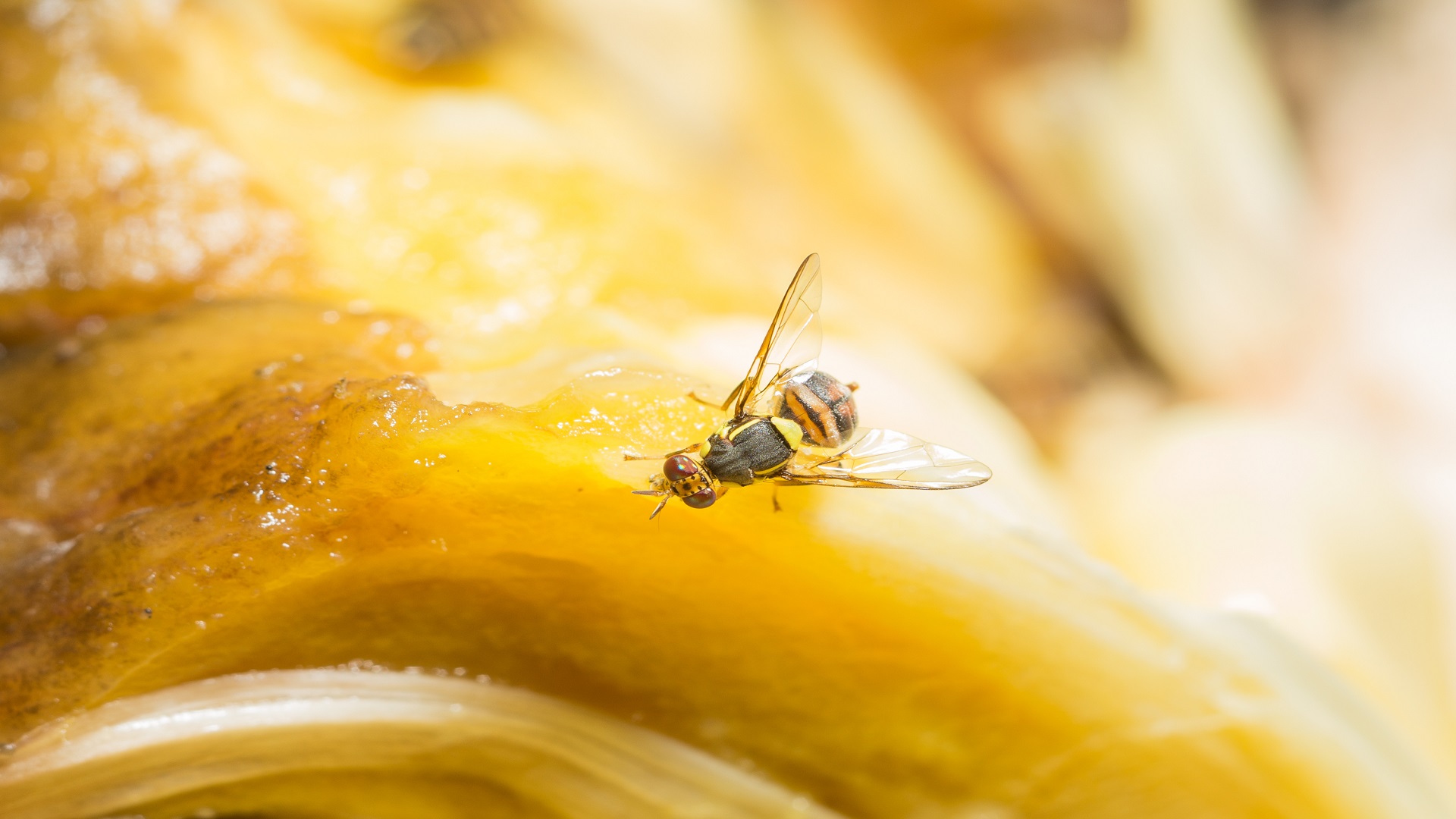
This disinfectant is delicious

That wipe you use to kill microbes on your kitchen counter might be feeding them instead.

A 2024 study out of the City University of Hong Kong suggests the functional abilities of some microbes that exist in built environments — like office buildings, homes, public transport and urban areas — allow them to digest the disinfectants designed to get rid of them.

Areas with many buildings are low in the traditional nutrients and essential resources microbes need for survival, so these built environments have a unique microbiome,” says Xinzhao Tong of Xi’an Jiaotong-Liverpool University and lead author of the study.

IMAGE: Unsplash

The study, conducted on samples collected from surfaces across Hong Kong and from the skin of human inhabitants, revealed some interesting facts.

For example, the bacteria Candidatus Xenobia, which is often found in diverse environments like land-based ecosystems and indoor areas, is adaptable to a variety of conditions.

The team found this strain on human palms and indoor surfaces, suggesting its survivability differs from many other microorganisms’.

It can utilize ammonium ions as a nitrogen source; might use alcohols — possibly residuals from cleaning agents — as sources of carbon and energy; and showed potential to metabolize trace gases. This, combined with the residuals from cleaning products, creates a favorable environment for its growth despite low-nutrient conditions.


So where does this leave us when the next pandemic rolls around?

“Microbes possessing enhanced capabilities to utilize limited resources and tolerate manufactured products, such as disinfectants and metals, out-compete non-resistant strains, enhancing their survival and even evolution within built environments. They could, therefore, pose health risks if they are pathogenic,” Tong says.

Earth.com reports that the team is now exploring how pathogenic microbes evolve in hospital intensive-care units. The goals: infection control and safety.
I think I’ll wear my robot

The world of wearable tech is continually expanding — from heart rate to glucose monitors, but is a wearable robot possible? It seems so.

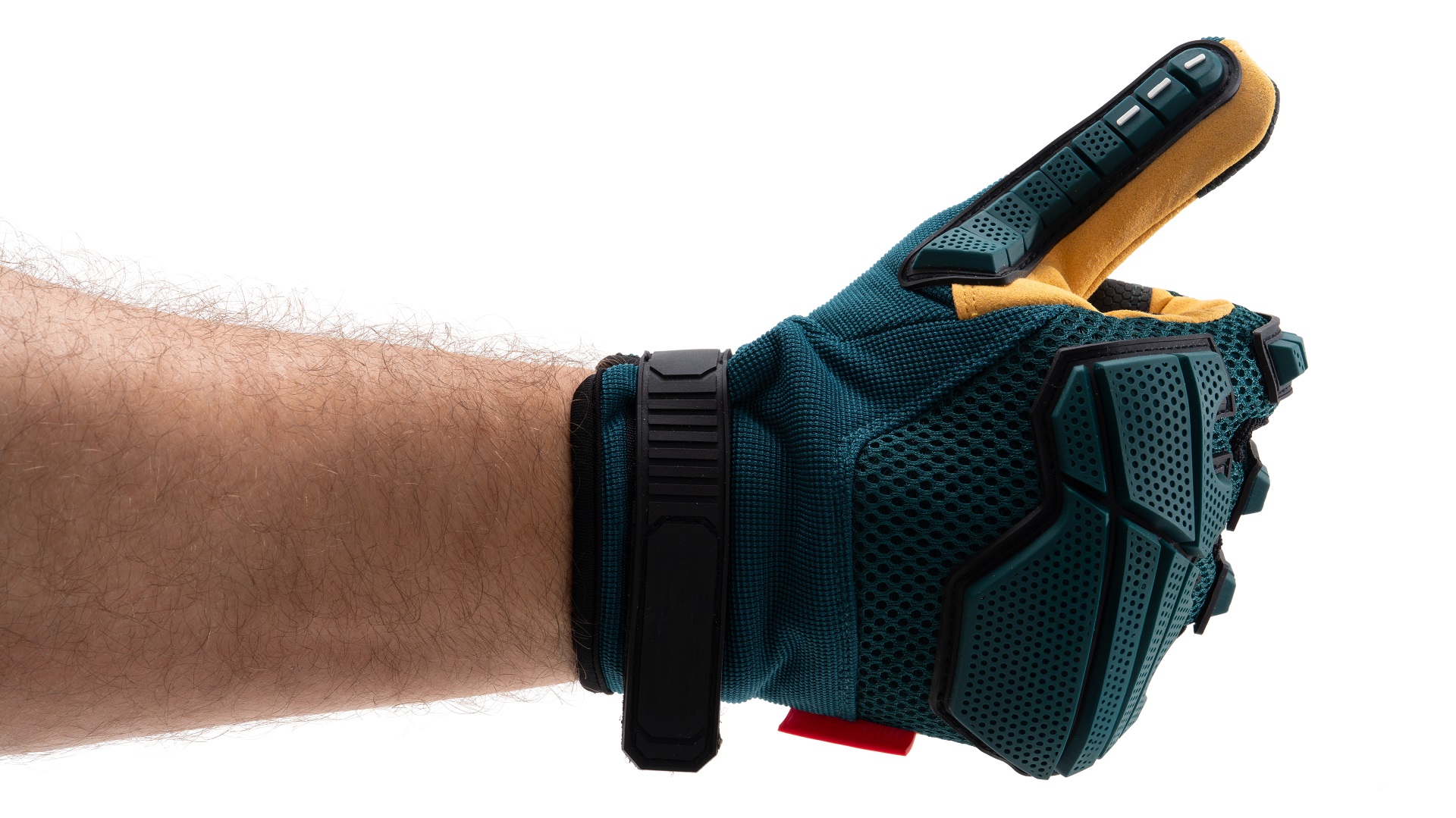
A group of South Korean scientists have designed an exosuit made of fabric weighing less than half a kilogram to help people with neuromuscular diseases like Duchenne muscular dystrophy move their arms with ease.

Just like real muscles, the tiny springs made of smart metal inside contract and relax with heat. The suit has the look and feel of real clothing and can be controlled with a smartphone app to adapt support levels.

Eight people have tested the suit and have reported 50 percent improved shoulder movement and 20 percent less difficulty performing daily tasks.

Muscle strain was also reduced, meaning users needed less effort to move.

The research team aims to make the suit smarter and able to naturally respond to the wearer’s motions.

The research was published in IEEE Transactions on Neural Systems and Rehabilitation Engineering.

More like this: Wearable tech helps protect workers from heatstroke

Looking to nature to improve
our grids

Conventional power grids are built for one-way power distribution, but with increased electric vehicle adoption and the addition of solar panels to homes comes challenges with grid stability. That’s why researchers are turning to nature for ideas — namely, the honeybee.

Wangda Zuo, professor of architectural engineering at Penn State University, is heading up a project on the operational expertise of honeybees: How they communicate and adapt to challenges might offer a way to help energy grids handle disruptions and streamline the way energy is distributed.

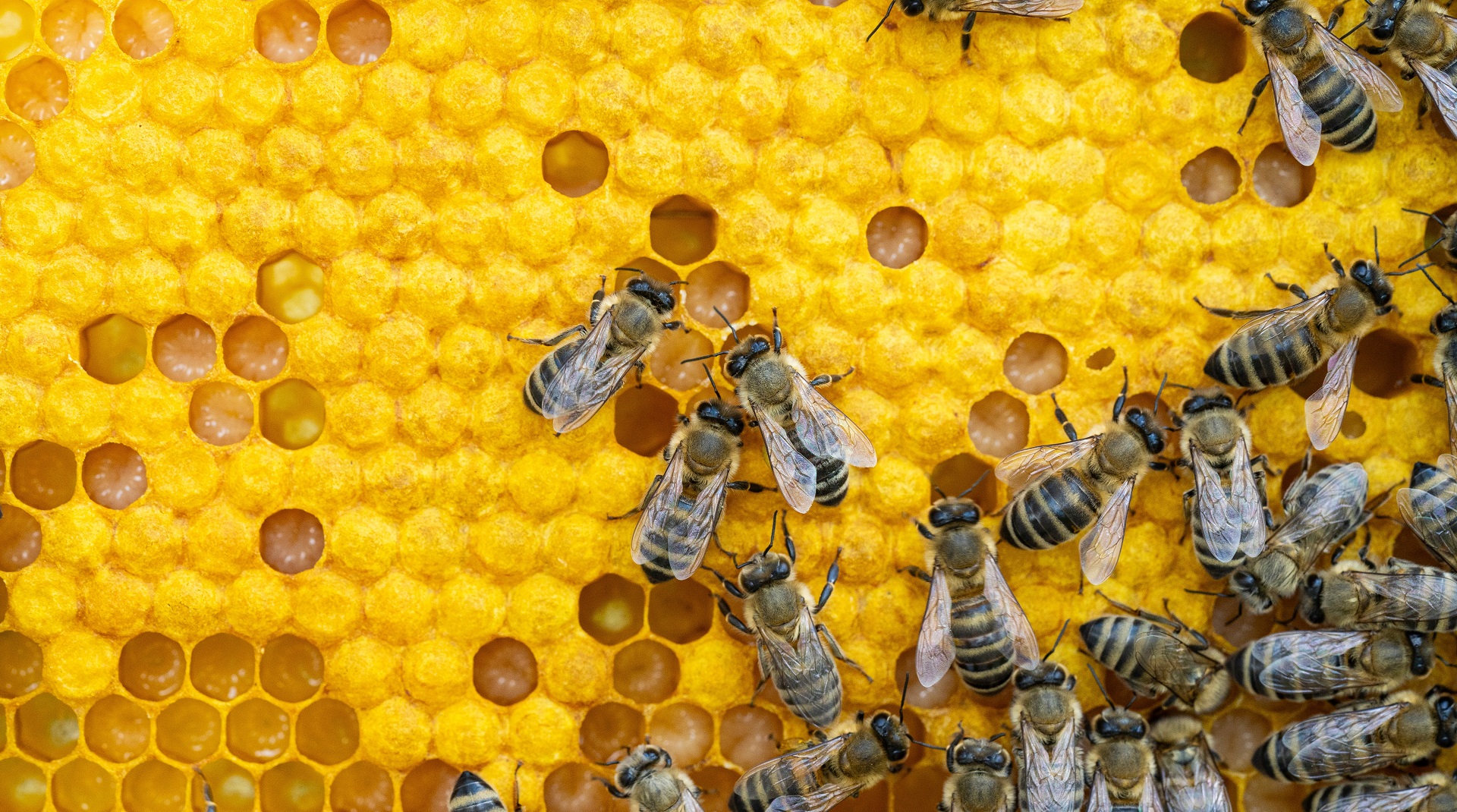
“Honeybees are masters of coordination,” says Zuo. “Inside a hive, thousands of bees work together sharing food, balancing needs and keeping the colony running smoothly without any central command. That’s exactly the kind of teamwork we need for the future electric grid,” he adds.

The current electric grid operates top-down and everything flows one way, but the team is looking for major change in how this happens so different energy recipients can talk to each other and “share energy directly, much like bees deciding when to feed each other or store honey. This peer-to-peer coordination could make the grid more adaptable and resilient, especially during storms or high-demand periods,” Zuo says.

The project has been funded with a U.S.$1 million award from the U.S. National Science Foundation.

More like this: There’s a new kind of neighborhood watch and it’s the bees knees

No bones about it

There are many physiological processes our bodies need calcium for, like building bones, contracting muscles (including the heart) and operating neurons. Calcium concentration in our bodies is typically regulated by the endocrine system using parathyroid hormones (PTH) and calcitonin.

PTH releases calcium from bones when blood calcium is low to maintain these functions. But what happens when you don’t have bones?

Well until now, it’s been a mystery.

A new study from the University of Tsukuba, Japan, published in Nature, has discovered that peptide hormone Capa regulates calcium in the body fluid of the fruit fly Drosophila melanogaster.

“The team further discovered that Capa is secreted by specific neurons in the cranial nervous system and acts on the apical region of the Malpighian tubules — organs analogous to vertebrate kidneys — to mobilize calcium from “pearl-like calcium granules,” says the University of Tsukuba Research News.

This discovery offers the first evidence that animals without bones contain an endocrine system regulating calcium concentration.

More like this: Natural peptides might guard against COVID-19

Tiny miners clean up our soil

A Chinese research team recently proposed the novel idea that the ground beneath our feet could clean itself.

A process called microbial iron mining utilizes microbes that can “breathe” iron. As they do, they switch iron back and forth between its rusty and shiny forms — like a little chemical frolic that captures and modifies pollutants.

The tiny miners can tackle toxic metals like arsenic and lead, chemicals like pesticides and microplastics and excess antibiotics and nutrients that typically pollute waterways.

Most notable is that the soil cleaning is natural. Rather than having to dig up and haul away contaminated soil, scientists can provoke these microbes to do the work while saving energy, protecting ecosystems and recovering valuable resources like rare earth elements.

It’s still early days and the research is still lab based, but it shows promise. The next steps are deciphering how this will work in real-world soil while managing side effects like greenhouse-gas releases.

The research demonstrates how powerful nature can be under the right conditions and was published in Environmental and Biogeochemical Processes.

More like this: Drones help farmers go greener