Underwater light tech helps corals
survive bleaching

Researchers at Ohio State University and University of Hawai’i have developed an autonomous, programmable underwater light that attracts zooplankton, the coral’s food source.

The Underwater Zooplankton Enhancement Light Array (UZELA) “greatly enhanced” local zooplankton density in tests on two species of coral native to Hawaii, increasing the feeding rates of both healthy and bleached coral.

Coral reefs face growing threats from climate change, with heat stress weakening their ability to survive.

By providing a steady food source, UZELA could improve coral resilience and boost restoration efforts. The study was published in Limnology and Oceanography: Methods.

Air pollution impairs cognitive
function

Breathing polluted air can impair cognitive function within just four hours, according to a new study published in Nature Communications.

Researchers at the University of Birmingham and University of Manchester found that short-term exposure to fine particulate matter (PM2.5) significantly reduces selective attention and the ability to recognize emotions. The findings suggest that even brief encounters with air pollution can affect higher-level brain functions.

The study tested 26 adults under controlled conditions, exposing them to either clean air or high levels of particulate pollution for one hour. Cognitive tests before and after exposure showed that participants had more difficulty focusing and interpreting facial expressions after breathing polluted air.

The researchers highlighted the need for further research into PM2.5 and its effects on brain health, especially long-term.

1 in 4 chance space junk will fall
back to earth

Uncontrolled rocked re-entries pose a growing risk to the aviation industry, a new study in Scientific Reports warns.

As space launches increase, more rocket bodies are abandoned in orbit, eventually falling back to Earth unpredictably.

Researchers at the University of British Columbia estimate that in high-traffic airspace, such as over northern Europe or the northeastern United States, there is a 26 percent annual chance of a re-entry passing through busy skies, posing a collision risk to aircraft.

While the likelihood of a direct impact remains low, even small debris could cause catastrophic damage.

The study highlights a 2022 incident when European airspace was temporarily closed due to a re-entry threat, delaying hundreds of flights. With rocket launches and flights increasing, the researchers say policymakers need to take action.

Bonobos adjust their communication
based on ignorance

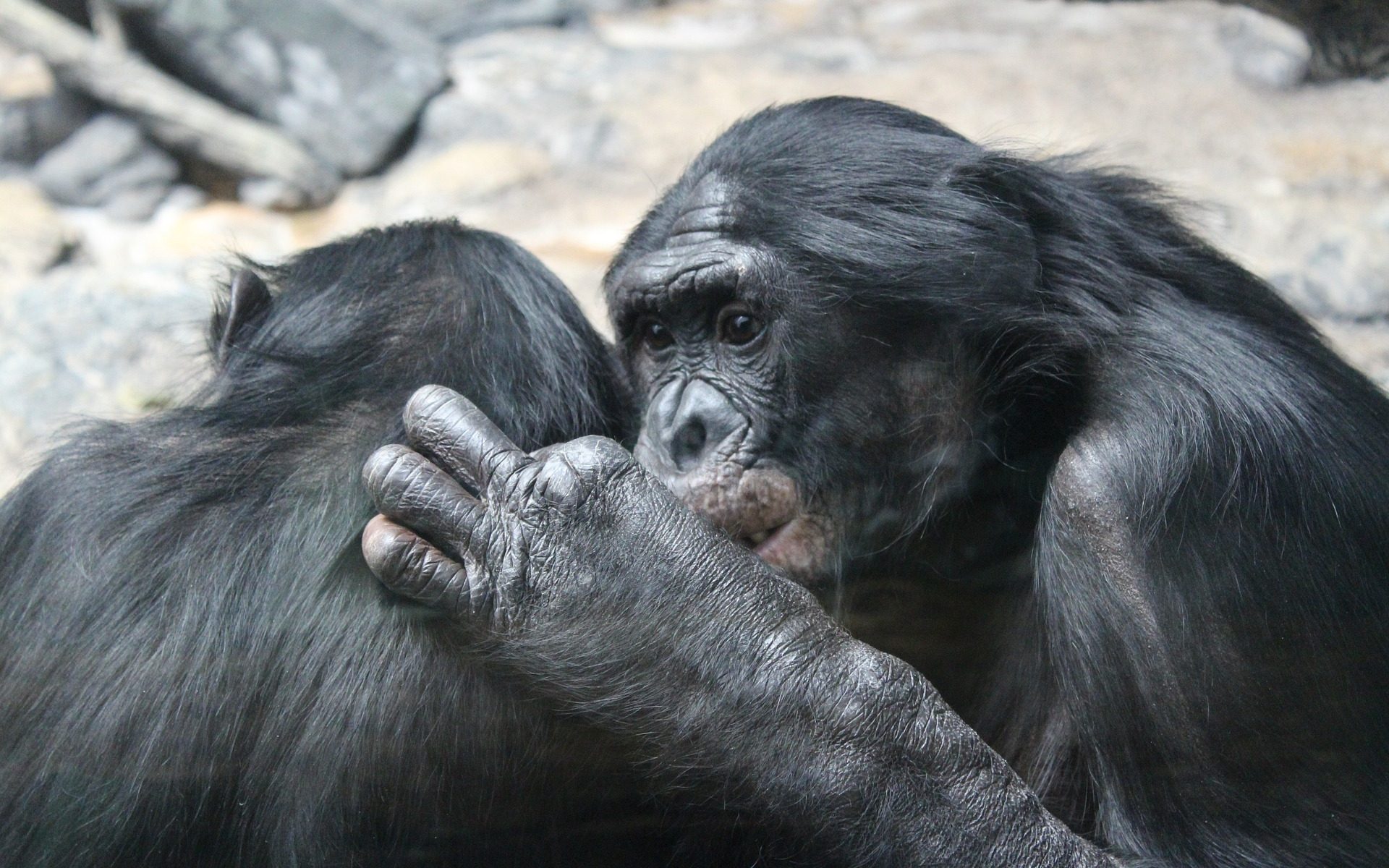
Bonobos can recognize when others lack knowledge and adjust their communication accordingly, a new study published in PNAS suggests.

In a study by Johns Hopkins University researchers, male bonobos were sat opposite a human partner one by one. A second person would place a treat – usually a Cheerio – under one of three cups. The bonobo would always be able to see where the treat was, but the human partner was sometimes kept in the dark.

The bonobo would only be able to have the treat if the human could find it.

When the bonobo knew the human didn’t know, he would “quite demonstratively” point to the right cup. This behavior indicates that bonobos may possess a basic understanding of others’ ignorance and use it to guide cooperative interactions.

These findings challenge long-standing beliefs that non-human primates cannot communicate based on mental state attributions and suggest that bonobos at least have a more flexible and advanced social cognition than previously thought.

Why traceability matters

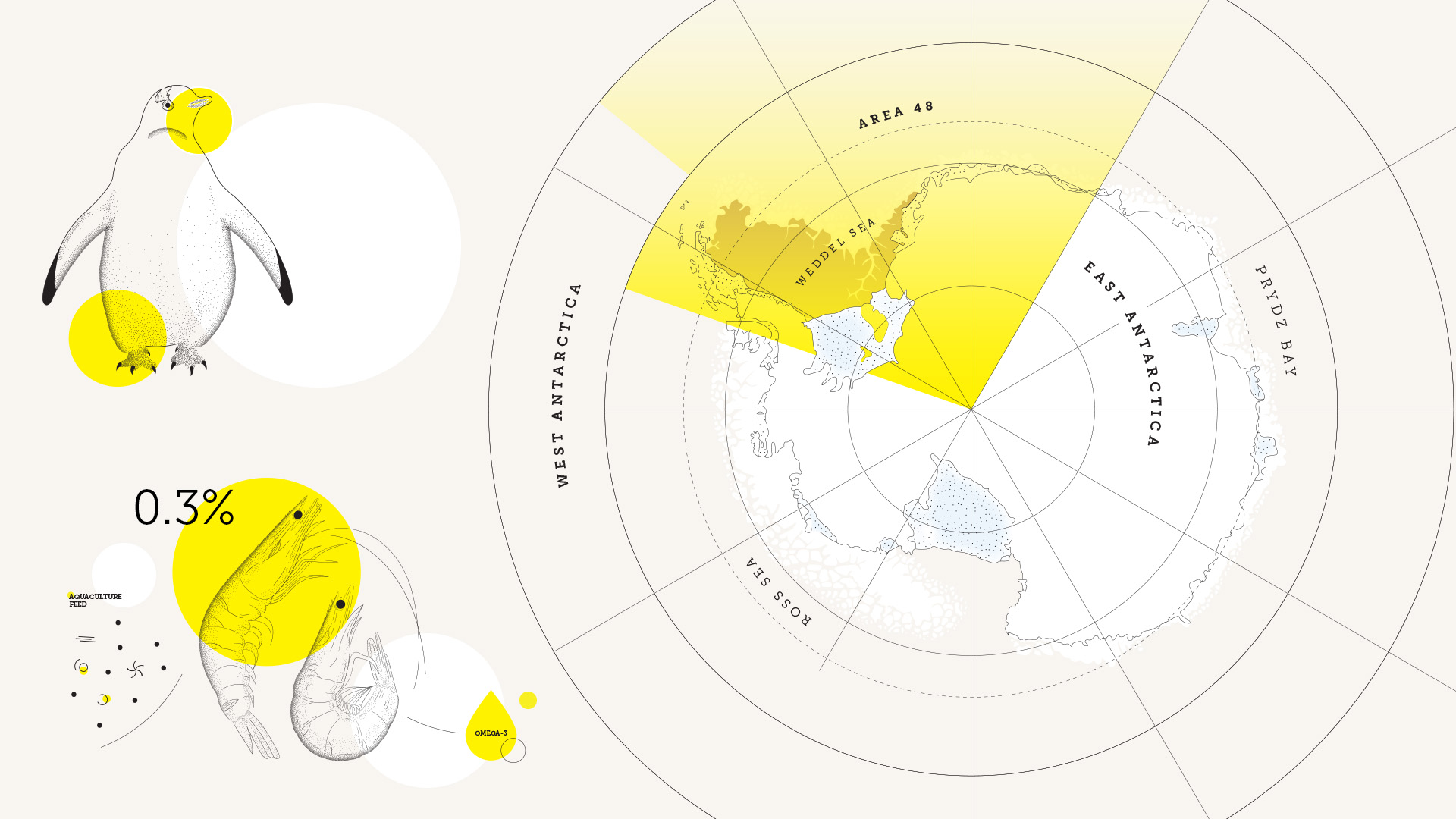
In the icy waters surrounding Antarctica, a 10-kilometer stretch of sea is colored a reddish-brown. An Antarctic krill super-swarm floats along, millions of tons of shrimp-like crustaceans feeding on phytoplankton. The World Wildlife Fund estimates there are over 700 trillion adult individuals spanning up to 32 million square kilometers of the Antarctic Ocean, but even a number as high as this isn’t enough to keep them from threat.

Antarctic krill are other victims of the combined effects of ocean warming and loss of sea ice, further threatened by ocean acidification and increasing interest in the krill-fishing industry.

RELATED: Traceability adds value to a sustainable food chain

Krill fishing has emerged as a vital industry, particularly in the production of omega-3 supplements and aquaculture feed. The ecological significance of krill, a key species feeding a multitude of Antarctic life from fish to whales, seals to penguins, underscores the need for stringent traceability measures in fishing practices.

Traceability can ensure the sustainability and ecological integrity of Antarctic waters. Implementing robust traceability systems in krill fishing can help enforce compliance with conservation methods set forth by such international bodies as the Commission for the Conservation of Antarctic Marine Living Resources (CCAMLR) and the Marine Stewardship Council.


“We can trace our krill oil all the way back to its origins in Antarctica.”

Aker BioMarine


“Commercial krill harvesting in Antarctica takes place mainly in ‘Area 48’ and is strictly regulated by the CCAMLR,” according to Aker BioMarine, a krill-harvesting company. “Only 0.3 percent of the krill biomass in Area 48 is harvested annually by all fishing companies.”

These measures are designed to prevent overfishing and minimize the environmental impact of fishing activities. By tracing the origin, path and processing of krill products, stakeholders can ensure the krill was harvested responsibly, adhering to quotas and protected areas, thereby reducing the risk of ecological imbalance.

“It is critical for globally traded goods to know where sources are coming from,” the Aker BioMarine website states. “Our krill-harvesting vessels record the exact location of each krill catch which is associated with each batch of krill oil produced. We can trace our krill oil all the way back to its origins in Antarctica.”

Rimfrost is another company harvesting krill for omega-3 supplements. It reports its catch data electronically by satellite on a daily basis both to Norwegian authorities (in accordance with Norwegian requirements for a Norwegian company) and CCAMLR: “We always know in real-time how much, where and when the krill has been caught. All our products can be traced back to the GPS coordinated and the exact time of catching the krill.”

“Traceability is the answer and technologies are key,” Fransisco Aldon, CEO of MarinTrust writes. “Standardization of data is key.”