Rare-earth-free magnets get a
performance boost

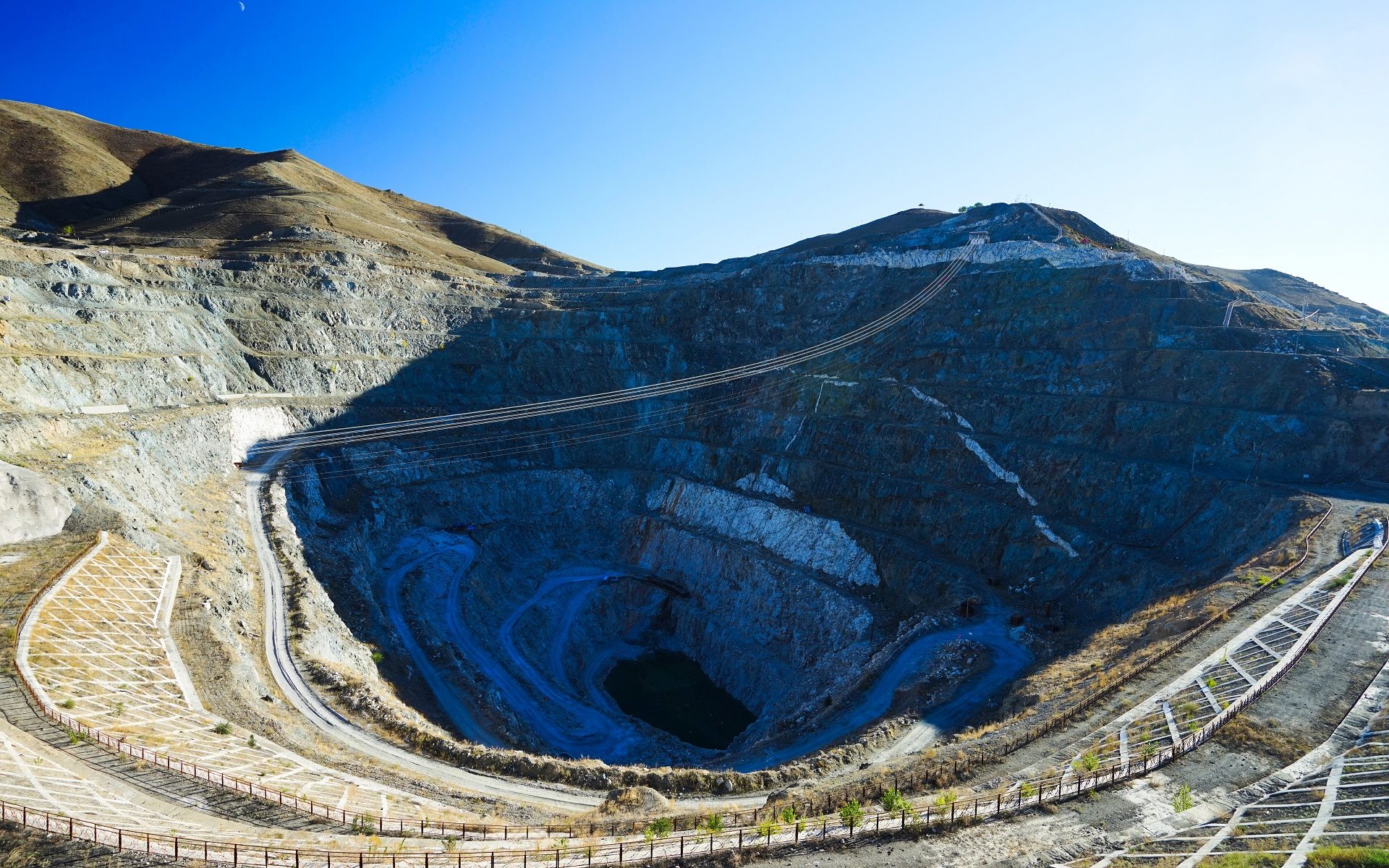
A two-step process leads to new ways to make powerful magnets without using heavy and expensive rare earth metals like dysprosium or terbium, according to a study published in Acta Materialia.

The team used materials including light rare-earth elements.

This prevents unwanted chemical reactions and helps the materials spread more effectively, creating powerful magnets without relying on scarce and costly elements.

The findings have significant implications for renewable-energy technologies and electric-vehicle motors, where high-performance permanent magnets are essential.

On a larger scale, the study suggests the method may provide a cost-effective and sustainable alternative to traditional dependent rare-earth magnet production.

More like this: A river runs over it

Erythritol isn’t just for sweetening
your coffee

The sugar alcohol used as a low-calorie sweetener could also be important to heat transport and storage with implications for industrial and residential energy systems, according to a recent study.

The research examines erythritol-based phase change material (PCM) slurries for waste heat recovery, focusing on how varying carrier fluid concentrations affect their flow properties.
Erythritol-based PCM slurries are a type of thermal storage material used to absorb and release heat efficiently.

When heated, erythritol particles in the liquid slurry melt and absorb heat. When cooled, they solidify and release heat. This cycle helps regulate temperature in applications such as cooling systems, industrial-heat recovery and renewable-energy storage.

Because of its efficiency, it can absorb and release a lot of heat without requiring large energy volumes and doesn’t degrade. And because it’s a liquid, it can be pumped through systems.

By improving the understanding of these slurries’ flow behavior, the research paves the way for optimizing energy-efficient thermal-transport technologies, reducing waste-heat losses and enhancing sustainability in energy-intensive industries.

More like this: Cool it, sunshine

Derm device

Measuring the rate at which water escapes through the skin can offer an insight into skin-barrier integrity and overall skin health.

A new device developed at Northwestern University allows continuous and remote monitoring of gases emitted from and absorbed by the skin.

Measuring just 2 centimeters long, the compact device hovers millimeters above the skin without touching it, housing sensors that track water vapor, carbon dioxide, temperature and volatile organic compounds, allowing clinicians to precisely monitor skin health and detect early signs of infection.

This new approach is ideal for wound care and fragile skin conditions, especially for patients with diabetic ulcers, where early intervention can prevent complications like sepsis or amputation.

In addition to clinical applications, this new tech could be used to test cosmetics (sparing the bunnies), assess the penetration of skin creams, study what makes some people so attractive to mosquitoes, and monitor workplace chemical exposure.

More like this: Zika makes your skin more attractive to mosquitos

Mars living

There’s too much carbon dioxide on Earth and not enough oxygen on Mars.

Inspired by photosynthesis in plants, in which carbon dioxide is converted into oxygen and glucose, a team of researchers at Nanjing University uses lithium to split CO2 into elemental carbon and oxygen.

Watch: Pioneering Oxygen from CO2

The team developed an electrochemical device: CO2 goes in, oxygen and carbon come out. Separately.

The device was tested using pure carbon dioxide and mixed gases, including a simulated flue gas and simulated gas from Mars, where the atmosphere consists primarily of CO2.

The test results are encouraging, and this device, if powered with renewable energy, could be instrumental in achieving carbon neutrality on Earth and supporting life on Mars.

More like this: We’ve captured carbon. Now what?

On Star Wars Day, visit the alien
landscapes in your own backyard

Fans of the Star Wars franchise on May 4 celebrate Star Wars Day, named for the pun “May the Fourth be with you,” a play on the series’ catchphrase “May the Force be with you.”

If you celebrate, you might dress up as a Jedi, drink blue milk and binge the series’ films and TV shows. But if you’re in the UAE, you could also visit some of the sites featured in scenes from 2015’s “Star Wars: Episode VII – The Force Awakens” and mix a little geological science with your science-fiction.

Abu Dhabi’s westernmost Al Dhafra region stood in for the alien desert planet Jakku in the movie. The real Jakku, Rub’ al Khali, also known as the Empty Quarter, is the world’s largest uninterrupted sand mass. The area, 583,000 kilometers, is about the size of France and has about as much sand as the Sahara Desert. It also reaches into Oman, Saudi Arabia and Yemen.

Here, like the film’s hero Rey, you can slide down enormous dunes on a sled. Be warned: You’ll need a 4-wheel-drive vehicle and desert savvy.

According to NASA’s Earth Observatory, the sand may come from different sources. The reddish sand in the southern part may have traveled via wadis, streams that form during the rainy season. Other sands may have accumulated as sea levels rose and fell, exposing grains in the Persian Gulf that may have been carried to the desert by winds.

CAPTION: Al Wathba Fossil Dunes IMAGE: Shutterstock

Crews also filmed Al Wathba fossil dunes on the outskirts of Abu Dhabi city.

The 4 million-year-old dunes formed during a glacial period when water levels were higher and rainfall more plentiful than now. Water permeated the calcium carbonate in the sand dunes and erosion of the lightly cemented sand over millennia created the ethereal, otherworldly forms that caught location scouts’ eyes.

Earth visitors can see them up close at a reserve in an industrial area a short drive from the UAE capital. Colored uplights enhance the twisting shapes at night. Coffee trucks may be on site to sell drinks and snacks to savor while you take in the view.

“Force Awakens” director J.J. Abrams had good things to say about shooting the film in the UAE.

“Filming in Abu Dhabi was an incredible thing. Star Wars is a Western and a fairy tale, and shooting in Abu Dhabi was just that!” he said.