Simple language tests can spot
early signs of rare dementia

A team in Brazil has figured out which language tasks are most helpful for spotting primary progressive aphasia (PPA) — a condition where people slowly lose their ability to speak and understand language, even though their memory might still be OK at first.

Using a toolkit called the MTL-BR Battery, the researchers tested 29 people with PPA and compared them to 58 healthy individuals. They found that people with PPA struggled the most with understanding phrases, telling stories, coming up with words in a category (like animals) and doing simple math.

This matters because PPA, a dementia-related syndrome characterized by progressive language deterioration, can be tricky to diagnose early.

By focusing on a few key tasks, doctors and speech therapists can catch it sooner and start helping patients faster.

Think of it like narrowing down the best clues in a mystery — these language tasks are the ones worth following.

The study was published in PLoS ONE.

More like this: Spotting early signs of Alzheimer’s

It’s a fight for your right to not
eat meat

New research focused on meat-alternative consumers in the European market reveals that while many admire their dedication to environmental protection and health, they attract strong negative emotions as well.

Fear and contempt, sometimes leading to aggression, are among the strong emotions vegetarians conjure up from their meat-eating counterparts, according to the study published in Food Quality and Preference.

The study was conducted across four European countries and used the BIAS Map framework, revealing seriously conflicting social perception that may be a key factor limiting the widespread adoption of plant-based diets.

Also highlighted was the impact social dynamics have on shaping these attitudes. People with an advanced need for social affiliation responded more positively to individuals who balanced both traditional meat and plant-based alternatives, while those with a high need for status viewed exclusive meat-alternative consumers with increased envy and anger.

This suggests that grand-scale social perceptions coupled with taste and affordability may need to be adopted in marketing strategies for plant-based foods.

More like this: Business is mushrooming

Nothing but the tooth

For thousands of years, humans have been using unusual material to replace lost teeth. Ancient Egyptians used seashell pieces, ivory and animal bone. Many years later, lost teeth were often replaced by those of human donors.

Today dental implants embedded in titanium are the widely preferred method of tooth replacement, but it might not be long before scientists are growing new teeth for you from your own cells.

Researchers at King’s College London have created an innovative method to accomplish just this.

Watch: Beyond Implants: Growing Teeth With Science

“Fillings aren’t the best solution for repairing teeth,” says Xuechen Zhang of King’s College Faculty of Dentistry, Oral and Craniofacial Sciences. “Over time, they will weaken tooth structure, have a limited lifespan, and can lead to further decay or sensitivity. Implants require invasive surgery and a good combination of implants and alveolar bone. Both solutions are artificial and don’t fully restore natural tooth function, potentially leading to long-term complications.”

IMAGE: Tooth implant  CREDIT: Shutterstock

The King’s College team, partnered with Imperial College, was successful in re-creating the extracellular matrix — the environment around the cells in the body. The matrix is a complicated network of molecules that fills the spaces between cells. One of its functions is cell signaling.

Upon introducing a specialized material, the team determined that the cells were able to send signals to each other to begin the process of forming a new tooth — in the lab.
The next phase is to figure out a way to put these teeth into action.

Watch: Flossing for Immunity: The New Frontier in Vaccination

The team has a few ideas on how to accomplish this.

“We could transplant the young tooth cells at the location of the missing tooth and let them grow inside the mouth. Alternatively, we could create the whole tooth in the lab before placing it in the patient’s mouth. For both options, we need to start the very early tooth-development process in the lab,” Xuechen says.

According to Grand View Research, the global dental implants market was worth an estimated U.S.$6.7 billion in 2024 and expects a compound annual growth rate of 8 percent over the next five years.

More like this: Real-muscle robot hand developed in Japan

Cancer can run, but it can no
longer hide

Envision cancer sneaking around your immune system by feeding certain cells fatty snacks that make them too sleepy or bossy to help.

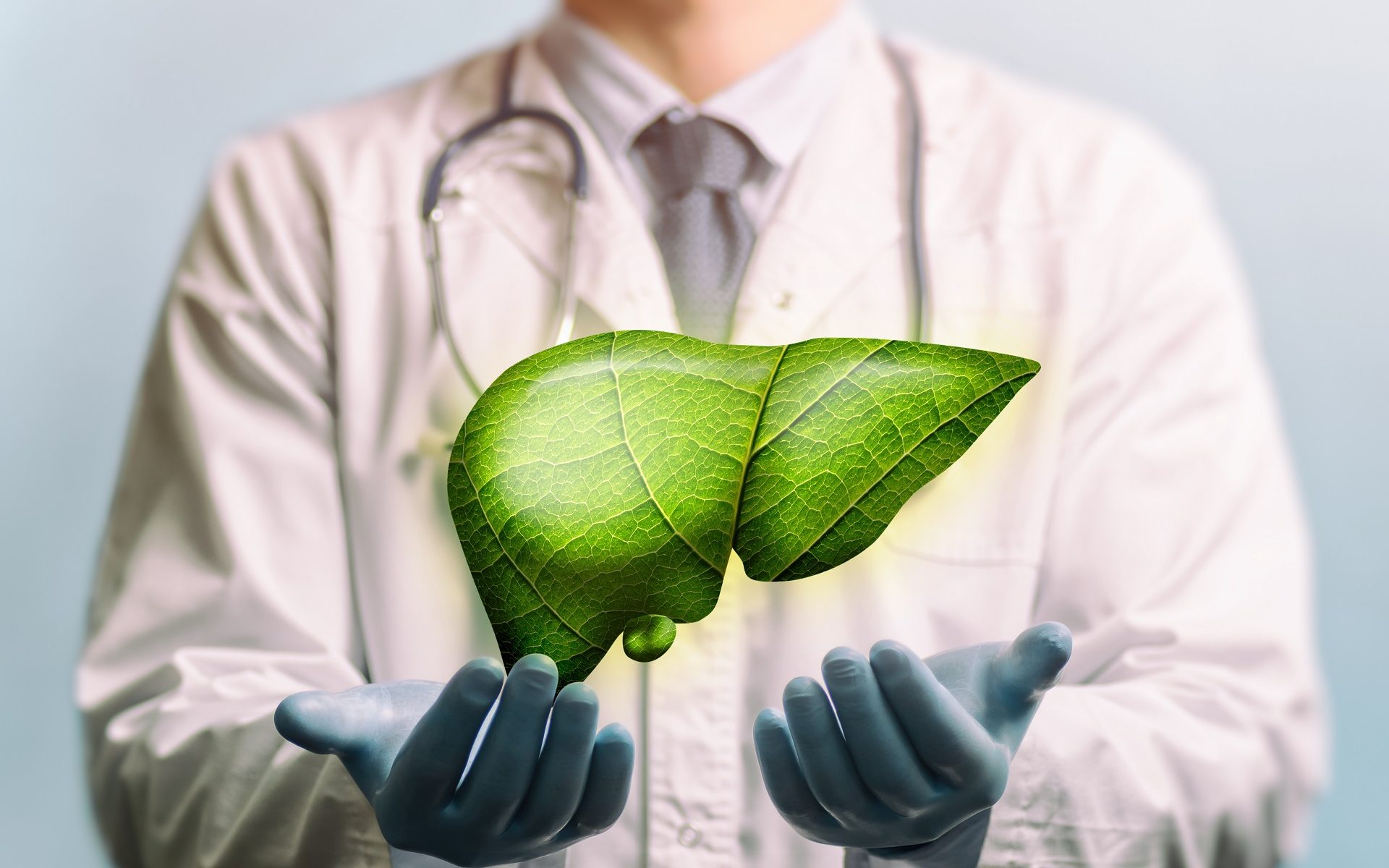
That’s what liver cancer does — it hijacks your body’s immune response by jamming immune cells full of fat, turning some into lazy pushovers (called exhausted T cells) and others into overbearing peacekeepers (Tregs) that tell patrolling cancer-killing cells to back off.

But scientists have a new trick up their sleeve to outmaneuver the fatty snack giving — a lab-made antibody called PLT012. It blocks a protein called CD36, which acts like a fatty-acid vacuum cleaner for these sneaky immune cells. When PLT012 steps in, it cuts off the fat supply, helping the immune system to snap out of its slump and start attacking cancer cells again.

In mice — even the tough-to-treat ones — and in human liver-cancer samples in the lab, PLT012 not only boosts cancer-killing immune cells, it also works well alongside other cancer treatments. More notably, it holds strong in high-fat environments that normally limit the effectiveness of treatments.

PLT012 is shaping up to be a potential game changer in liver cancer treatment by targeting the tumor’s tricks and offering the immune system a second wind.

The paper was published in Cancer Discovery.

More like this: Launching medical research

Minecraft and microscopes

Scientists at the University of Illinois Urbana-Champaign found a way to turn real-life 3D images of cells into explorable worlds inside Minecraft. Now, instead of just reading about cells in a textbook, you can walk through them, block by block, just like exploring a Minecraft castle.

Using cutting-edge, super powerful microscopes, the team captured extremely detailed images of things like yeast cells, bacteria and even human breast cells. They built these microscopic worlds into Minecraft, so anyone — whether they’re a student, a gamer or just curious — can dive right in and explore the tiny inner workings of life.

They also created different cell models, like healthy cells and cancer cells, so the differences are visible.

These Minecraft worlds are free to download on GitHub, along with coding tools that allow for building or tweaking your own scientific playground

More like this: Going new school