Energy islands

T
he phrase “good things come in small packages” is proving true as agriculture turns to microgrids — small-scale powerhouses that could offer farmers much-needed energy without the use of fossil fuels.

The food and agriculture industries are responsible for approximately 30 percent of the world’s energy consumption and 22 percent of global greenhouse-gas emissions.

Disconnecting from the larger power grid and running off a smaller grid powered by green energy sources like solar or wind can reduce the agricultural carbon footprint, save on cost, protect from cyber threats and even serve as an extra income stream.

Microgrids are energy distributors that serve a small geographical area like a college campus, hospital or farm.

They can operate autonomously or can be a hybrid model that disconnects from the main power grid and continues to function in “island” mode when needed — such as in the event of a power outage due to a storm or in the event of a cyber-attack.


Microgrids promise a climate-safe, sustainable and inexpensive way for rural communities.

Renewable Energy World


After an attack, a hospital, for example, could detach from the main grid and keep running.

Microgrids, when connected to the main grid, can also balance power supply and demand by using complex computational techniques using real-time data analysis. Two-way communication between a microgrid and the main power grid means it can take power or give it, based on over-supply or a required injection. This symbiotic relationship offers stability to both.

And if you have excess energy, you can sell it back to the main grid. Depending on tariff rates you could end up with extra cash. But the microgrid can also be an autonomous entity receiving its power injections solely from green energies.

In this case, the grid can receive energy — say, from solar panels — store it and supply it, with zero reliability on the main grid.

Agricultural industry leaders, farmers and food suppliers can now turn to this more reliable, cost-effective and sustainable energy source to maintain uninterrupted operations.

Bigger isn’t always better

Microgrids may be smaller than the traditional power grid but in a big way, they are a reliable source of power during unexpected outages and can mitigate interruptions to business continuity.

The ability to disconnect from the main grid and run off stored energy allows communities or businesses including farms and food suppliers to operate when the main grid is inaccessible.

They’re also resilient, able to modify and recover from severe and sudden disruption.

Plunkett Research’s 2023 statistics report estimates the global food and agriculture industry to be worth U.S.$11.1 trillion, which equates to 11 percent of total gross domestic product. Losses during downtimes therefore, can be catastrophic.

Dairy farmers, for example, require power for milking, processing and storing the product. An electricity shutdown effectively means a business halt and potential for spoilage.

And in countries experiencing an energy crisis, agriculture takes a significant hit.

South Africa, for example, protects its main grid by load shedding. This means power is temporarily shut down when demand comes close to shedding the grid of what it has to offer in order to avoid grid failure. These outages can last up to eight hours per day.

Though this protects the main grid, shutdowns wreak havoc on agriculture.

“It is beyond dispute that every sector of the South African economy has suffered from the impact of rolling blackouts. But agriculture has suffered disproportionately,” says Christo van der Rheede, chief executive officer of AgriSA, in an article for the Daily Maverick.

So a country that experiences extensive outages would seem a perfect fit for microgrids.

“A technology of the future, microgrids promise a climate-safe, sustainable, and inexpensive way for rural communities to harness their own resources and meet their communal needs,” says Renewable Energy World, which covers news and trends in the renewable-energy industry.

The problem is, while microgrids might offer security and save money over time, it takes funding to make the switch. And not everyone has this kind of money.

Is it worth it?

Countries like Australia are less vulnerable to power loss than developing countries that experience many power outages throughout the year, but increased cost of power could be incentive enough to invest in an energy shift.

And switching to green energy means significant cost savings.

Tania Chapman, general manager of farming operations at Nutrano Produce Group, one of Australia’s leading producers of fresh fruit, says it’s complicated to maintain earnings among rising energy costs and maintaining governmental sustainability guidelines.

“If I look at one of our sites the annual bill is around $110,000 currently for the electricity, putting in solar would cost me $120,000 and it would reduce the electricity bills by around 25 to 30 percent,” she tells ABC Rural.

Adding a microgrid into the solar mix could be significantly better.

With global temperatures on the rise, the volume and severity of extreme meteorological events can be catastrophic to not only large industries, but like those of developing countries or remote communities. And access to the main energy grid can be unstable, which also limits socioeconomic development.

Microgrids are less costly than extending the main grid, so many countries are investing in their rural communities. It’s not only a cheaper option but it also allows governments to meet commitments and goals set forth in the Paris Agreement. Tax breaks can also help offset the costs of renewable-energy equipment.

As of 2019, there were 4,500 microgrids globally, but the market is expecting a major growth spurt in the coming decade as governments are keen to mitigate financial risk and develop rural areas.

More like this: Growing a hydrogen economy
Second chances for white rhinos

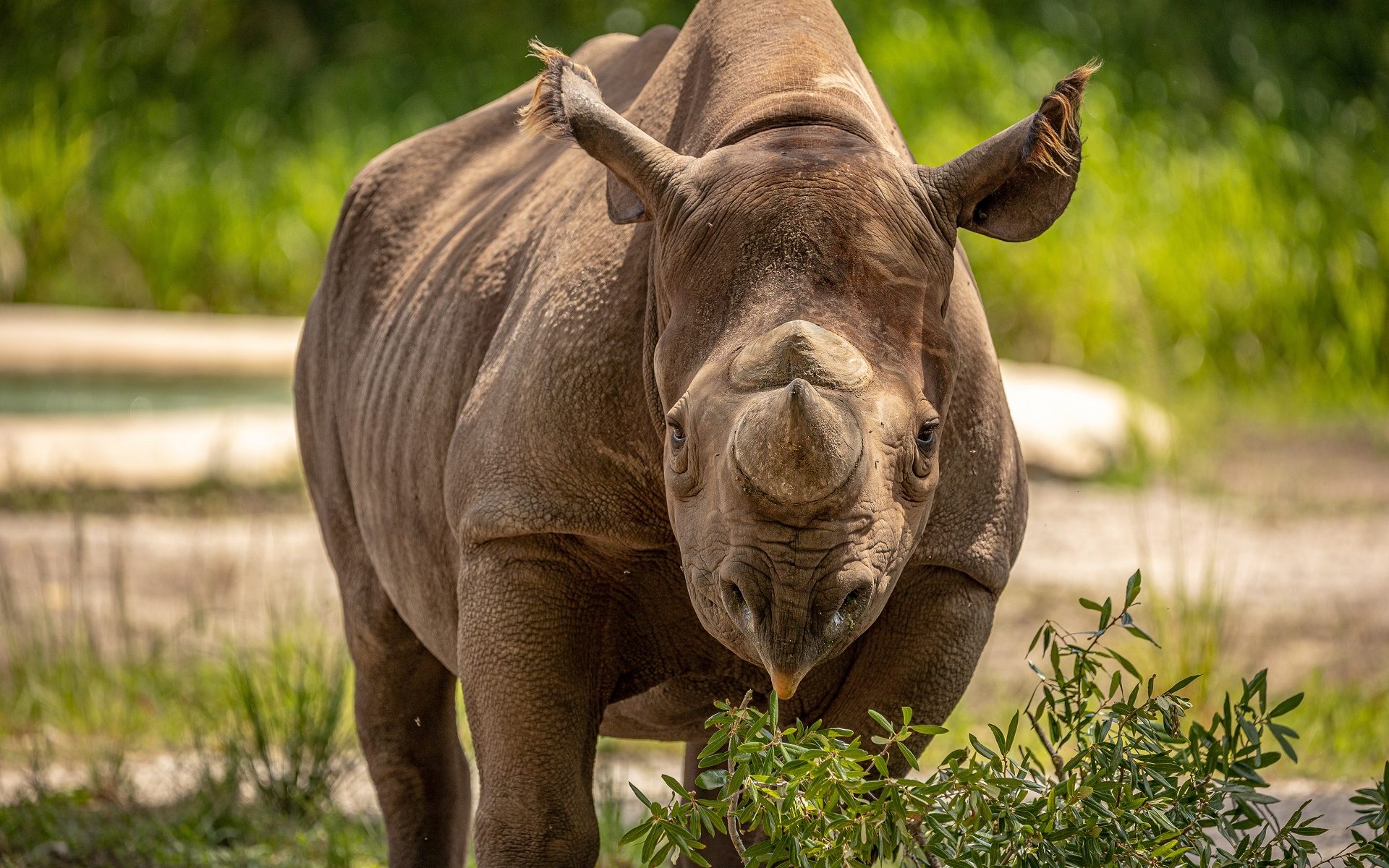
At 3,500 pounds, the northern white rhino is the second largest land animal on the planet — and one of the most poached.

Its horns are made of pure keratin, used in Asian traditional medicines and as status symbols within the culture. There are only two of these giants left on our planet, under constant protection of the Ol Pejeta Conservancy in Kenya. Both are female and non-reproductive. But a breakthrough in genome sequencing might give the species a second chance at life.

A group of scientists has completed a full genetic map of this rare rhino, sort of like creating its complete instruction manual. Published in the journal PNAS, this breakthrough could one day help bring the species back using cutting-edge science.

The genetic blueprint could allow researchers to create special cells that behave in the same manner as the rhino’s stem cells. They can possibly be turned into eggs or sperm and perhaps into embryos.

There is still a way to go. Growing a rhino embryo in a lab won’t happen overnight, but this is a giant leap forward to not only saving the northern white rhino, but other animals threatened by extinction.

More like this: Keep an eye on the animals

MOOVE over cows, there’s a new
milk provider in town!

“Milk, it does a body good” is a vintage 1980s advertising slogan used to emphasize the health benefits of cow’s milk on the human body. Milk is still packed with loads of nutritional value required for optimal health, but the next time your palate craves an icy, cold glass of refreshing milk, consider a shift in sourcing from animals in green pastures to those wandering the dunes.

According to Home Food and Agriculture Organization of the United Nations, milk offers 48 percent of the protein and 9 percent of the calories a child of 5 to 6 years with light physical activity needs. Cow’s milk is packed with 13 essential vitamins and nutrients like calcium and vitamins A and D that contribute to a healthy diet.

But the impact of the dairy industry on the environment and the subsequent impact of the environment on dairy farms has farmers shifting to camel-milk production to meet demand and their environmental commitments.

It seems camel milk can provide the health benefits of cow’s milk and then some with the bonus of a much lower carbon hoofprint.

THE ENVIRONMENT TAKES THE HIT

With 270 million dairy cows producing milk along with 2.1 gigatons of carbon dioxide every year, the dairy industry is responsible for 30 percent of all anthropogenic emissions. The environmental impact is ample, and with dairy product demand expected to triple by 2050 due to population growth and increased consumption, it is primed to worsen.

Primarily, methane emissions are a ruminant’s worst offender. Methane is produced in the digestive process and expelled into the atmosphere through cows belching, accounting for 20 percent of total global emissions. What’s worse: It’s 20 times more potent than carbon dioxide.

IMAGE: Unsplash

To be fair, all livestock emit their fair share of methane but pound for pound, camels are the eco-friendlier option.

Emissions aren’t the only environmental issue with dairy farming — there’s also land use to grow feed, pesticides for those crops, and all the water required to get milk from cow to shelf.

WHAT-ER?

The average water volume used to produce 1 liter of milk, including to grow the livestock feed, is 911 liters. This will differ between farms but it’s a big ratio, and when water supplies are also threatened, the cost could escalate.

Water pollution due to manure mismanagement can also impact surrounding water supplies. Overflowing and cracking manure vats sometimes cause seepage and, subsequently, groundwater contamination. This makes its way over time to all manner of bodies of water including rivers and oceans.

IMAGE: Unsplash

Camels, however, require significantly less water and can go two weeks without any, compared with two days for a cow. With a high threshold for extreme conditions, and the ability to lose 30 percent of their body weight and still survive, camels emerge as a definitively more resilient choice as global temperatures rise and food security becomes a pressing concern.

Food security is also impacted by the abundant land mass required to meet the nutrition needs of grazing animals and the pastures for grazing. This leads to not only extensive deforestation but the knock-on effects of further emissions and impacts on biodiversity and ecosystems.

Whereas camels can eat almost any plant that grows where they live. Their long necks also mean they can reach higher for trees and will happily snack on shrubs, grass or even thorny plants.

Camel milk sounds like the clear winner when it comes to nutrition and sustainability, but it’s not easy to transition a massive industry. Dairy farms have been around for generations and in many cases are still family businesses. Plus, in places rich with grasslands and more temperate weather, cow farms still make sense. But when it’s more a matter of survival than that of public buy-in, people find a way.

FARMS IN AMERICA ARE LEADING THE CHARGE HERE

Historically, cows have been an essential part of many African economies, diets and traditions but heading into what could be another year of drought, the Horn of Africa and surrounding areas are in a state of emergency. A three-year drought that began in 2020 resulted in crop destruction, loss of grazeable land, livestock depletion and dried-up water sources.

Camel milk offers a lot of benefits, but the key is a stable market.

James Salfer, dairy educator-University of Minnesota Extension

In Samburu, a Kenyan county with a population of almost 310,000, people were struggling with malnutrition as most of their cattle perished.
Cattle farmers noticed neighboring villages with camel farms struggled very little, however.

The government had started a camel program offering one camel to each person eight years prior. So far, 4,000 camels have been gifted. Other African countries are also seeing their camel populations grown.

CAMELS TRAVEL TO AMERICA

Camel farms are not limited to sub-Saharan African countries — they’re also gaining popularity in the United States.

A 35-acre family farm in Nebraska called Camelot Camel Dairy offers camel milk to consumers who struggle with milk allergies or who just might be curious and somewhat adventurous. They are one of only two licensed camel-milk providers in the country and are hopeful that with demand, the price of a liter of milk, currently U.S.$16, will eventually become affordable and accessible.

“Camel milk offers a lot of benefits, but the key is a stable market. Farmers need assurance of demand, and consumers must be willing to pay the price of what it costs to raise and milk camels,” says James Salfer, a University of Minnesota Extension dairy educator.

The global camel-milk trade could exceed U.S.$13 billion by the end of the decade, up from $1.3 billion in 2022.

Delivering fresher salmon

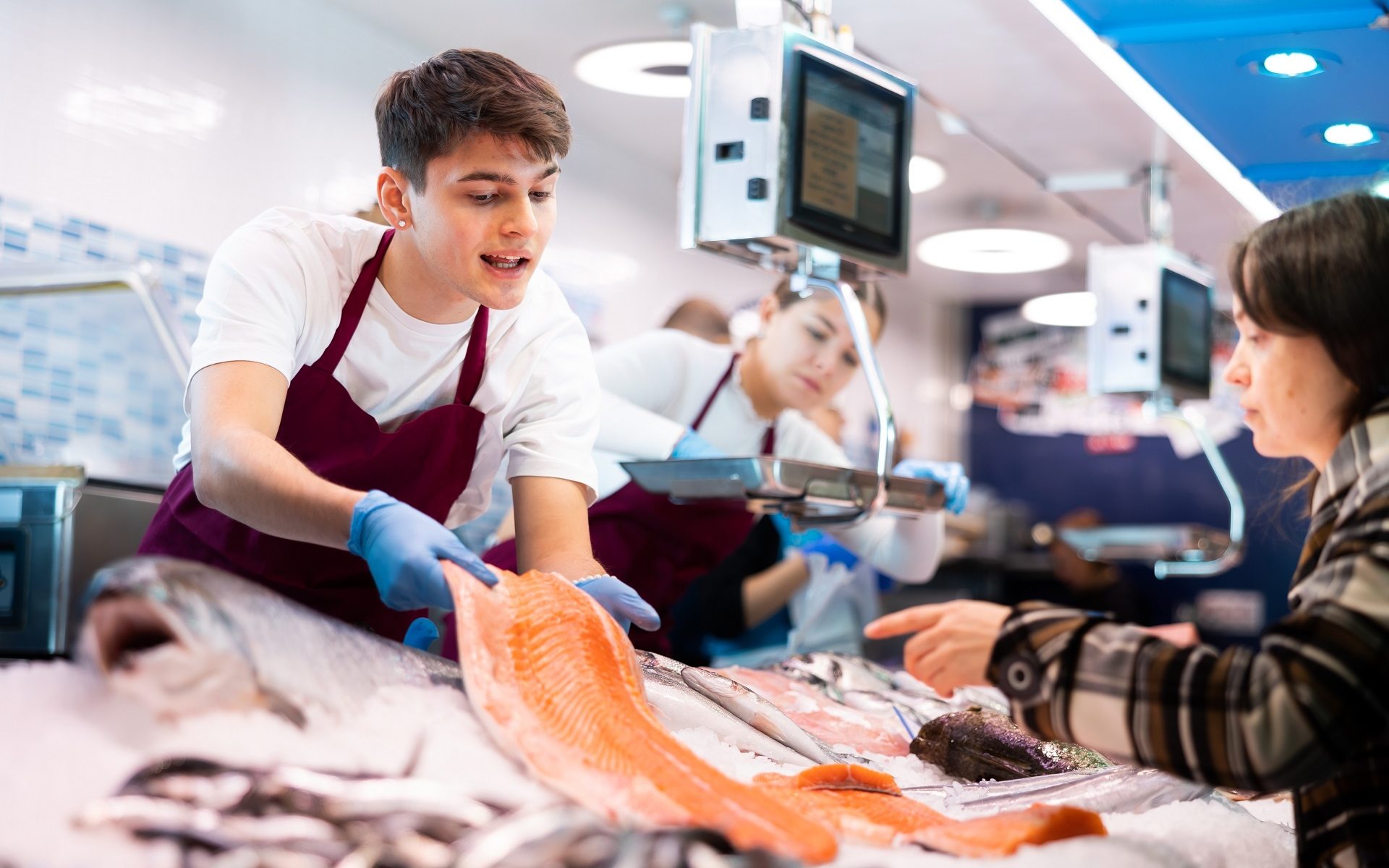
According to EssFeed, the most consumed fish globally is Atlantic salmon. And while salmon is known for its flavor and rich omega-3 content, it has a notoriously short shelf-life. But preserving seafood often means using sulphites — additives that some people can’t tolerate and many would rather avoid.

Now, researchers have found a better way to extend fishy shelf-life.

A recent study tested three natural, medium-chain acids — azelaic, succinic, and glutaric acid — and discovered they can keep salmon fresh for nearly two weeks without using sulphites.

These acids were applied as edible coatings on both sliced and minced salmon and then chilled for 12 days. The result was less bacterial growth, better texture and color and less spoilage.

Notably, azelaic acid was the front-runner as the best bacteria-fighter. And while these acids weren’t antioxidant superstars, they still helped reduce harmful byproducts and preserved overall quality.

The big takeaway is that these natural acids could become a safer, cleaner alternative to traditional preservatives, offering consumers fresher fish and fewer health worries.

The team recommends more testing to fine-tune the formula, but the future of fresh, sulphite-free seafood looks promising.

The study was published in Food Quality and Safety.

More like this: Transparen sea

Shedding pounds and cancer

It seems like every day there is new information about the value of weight loss drugs in fighting diseases other than obesity. From addiction to inflammatory illnesses, these GLP1s are making their way through the disease dictionary and today they stop at “C” — the big C, or as most of us know it, cancer.

According to the Center for Disease Control, there are 13 cancers associated with obesity — for adults that is someone with a body mass index of 30 and above. This means that about two in every five adults in the U.S. have obesity. The most recent global study, put out by the Lancet in 2022, estimates that 1 billion people are living with obesity.

To narrow down this picture to some individual obesity-related cancer numbers: In 2019, 34.9 percent of liver, 53.1 percent of endometrial, 37.1 percent of gallbladder and 37.8 percent of esophageal adenocarcinoma cancer diagnoses were attributed to obesity, according to the National Institute of Health.


GLP-1RAs should be evaluated for control of these comorbid conditions during cancer therapy as well as for secondary prevention to delay cancer recurrence.

Research Team, Jama Study


It only stands to reason that weight loss would lead to a reduction in these statistics. And more current research agrees.

A direct obesity-cancer connection has always been a complicated argument because one person might lose weight and not get cancer but someone else might lose weight and still get cancer. The studies have therefore always been observational. But a recent mass influx of patients utilizing what most of us now refer to as weight loss drugs draws some numbers that can’t be ignored.

A 2024 study published in JAMA used those 2019 study numbers and aligned historical data with current obesity-related cancer numbers, resulting in a strong correlation between the use of these drugs (and subsequent weight-loss) and obesity-related cancer risk.

The study, using data of more than 1 million U.S-based patients with type 2 diabetes, found a risk reduction in 10 of the 13 obesity-related cancers for those prescribed GLP-1Ras, compared with those prescribed insulins or metformin.

IMAGE: Shutterstock

The correlation indicates potential use of the drugs as preventative. Researchers also note that “Given that T2D and overweight or obesity have negative impacts on patients during cancer therapy, GLP-1RAs should be evaluated for control of these comorbid conditions during cancer therapy as well as for secondary prevention to delay cancer recurrence.”

Louis J. Aronne, director of the Comprehensive Weight Control Center at Weill Cornell Medicine in New York, says the handful of these drugs on the market is only the beginning.

He and his team are working on other drugs that aim to allow patients to lose more weight by targeting more hormones.

These drugs have a way to go before they hit the market, but Aronne’s team estimates one of its new drugs, an oral GLP-1 simulator from Eli Lilly, along with a couple of others, could be available to the public by the end of 2026. Several more in clinical trials will follow in 2027, he tells KUST Review.

More like this: Obesity expert has the skinny on semaglutide