
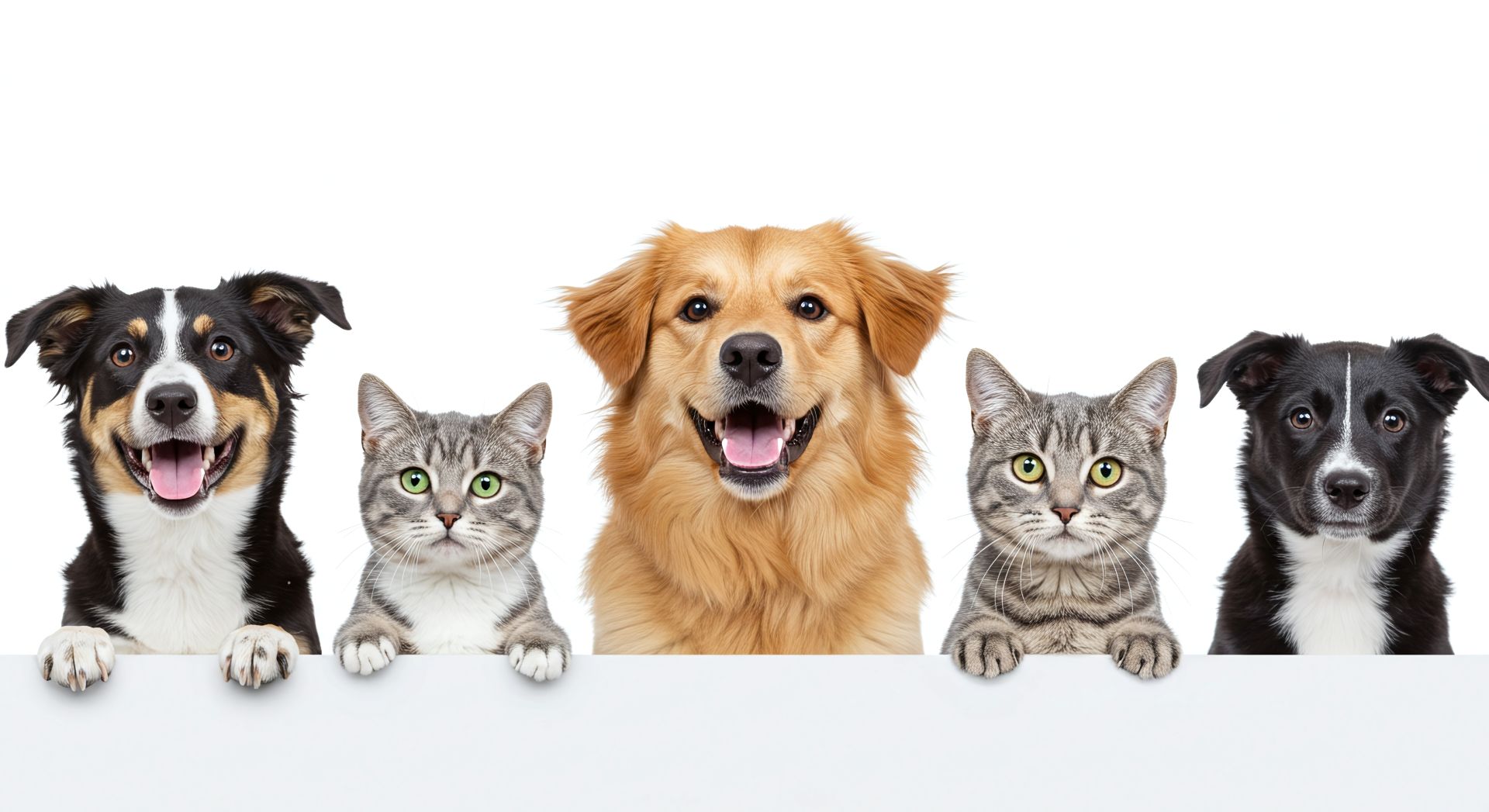
The UAE is home to an estimated 100,000-150,000 stray animals. The population is largely managed and cared for through trap, neuter, return (TNR) programs, but once cared for and returned to their communities, these fur babies need to eat. Thanks to Dubai’s new AI feeder program, these needs will now be met.
Dubai Municipality has launched a pilot program that includes a dozen AI feeding stations around the city at strategic locations including 10 public parks and two within Dubai Holding residential communities.
The stations are equipped with sensors that detect an animal approaching and dispense adequate portions of food and water.
According to local news agencies, Naseem Mohammed Rafee, Acting CEO of Dubai Municipality’s Environment, Health and Safety Agency, says, “The pilot initiative combines advanced technology with humane practices to manage stray animal populations, protect public health and support ecological balance.”
The Ehsan stations monitor feeding, detect strays and collect data to keep feeding organized and less random. Ehsan, an Arabic term implying doing good deeds with the utmost sincerity, represents the UAE’s commitment to animal welfare and sustainability.
And the new stations that provide food and water are in conjunction with the Fountains of Mercy water dispensers also provided by the municipality.
The 50 fountains that provide clean drinking water are evenly distributed among desert/rural areas for wild animals and urban locations to serve the local bird population. They are high-quality, solar-powered and built with sustainable materials for long-term animal care and sustainable practice.
Animal care in the UAE has become a matter of keen focus for the Animal Welfare Agencies in recent years. The feeding and water stations not only provide vital nutritional care for the animals but important data integrating the TNR program. This allows people to track, monitor and provide much needed healthcare to stray animals, ultimately contributing to the safeguarding of public health.
More like this: Healthier cats, healthier communities