Cellular processes are maintained by the function of proteins, which means finding ways to control protein function dictates the development of biotech tools.
This is incredibly difficult to do with precision. But it can be done with thermogenetics — a bit of heating or cooling of the protein to activate or deactivate it.
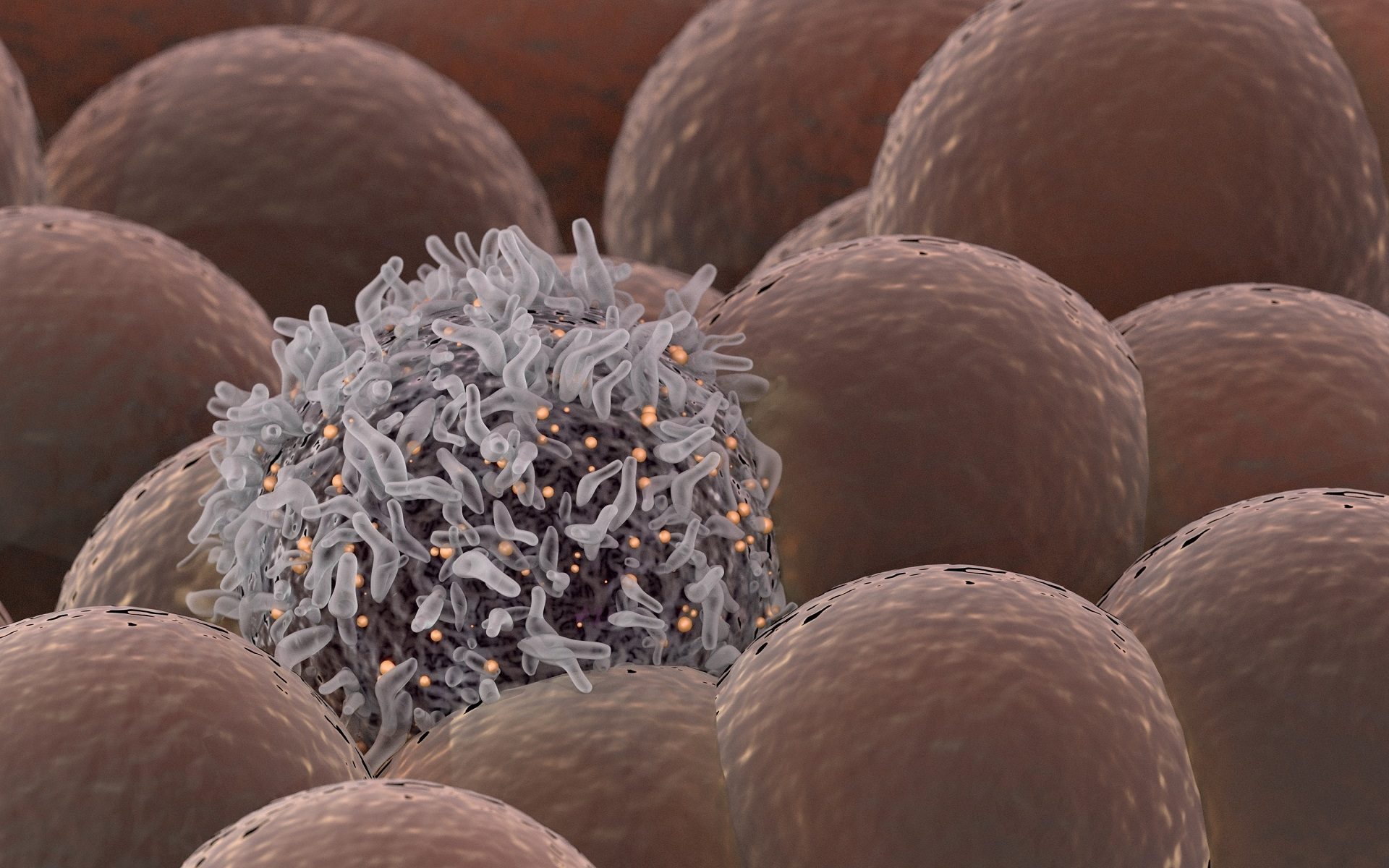
Researchers from Kanazawa University have achieved this heat-triggered on/off switch by combining two parts: caspase-8 (a protein that instructs cells when it’s time to die) and elastin-like polypeptides, or ELPs, which clump together when the temperature rises above 35-40 degrees Celsius.
Fuse these together and the result is a protein that stays quiet until things warm up, at which time the ELPs bunch up, dragging the caspase-8 molecules close enough to flip on the self-destruct signal.
By testing in human cell lines and adding a fluorescent “glow” reporter, the team was able to watch the process live. The heat was added with a precise infrared laser and cell death was triggered in single cells.
The results, published in ACS Nano, mean scientists now have a novel way to study and control cell behavior with pinpoint accuracy. This opens doors for therapies targeting certain cells (like cancer therapies) and leaving the others untouched.
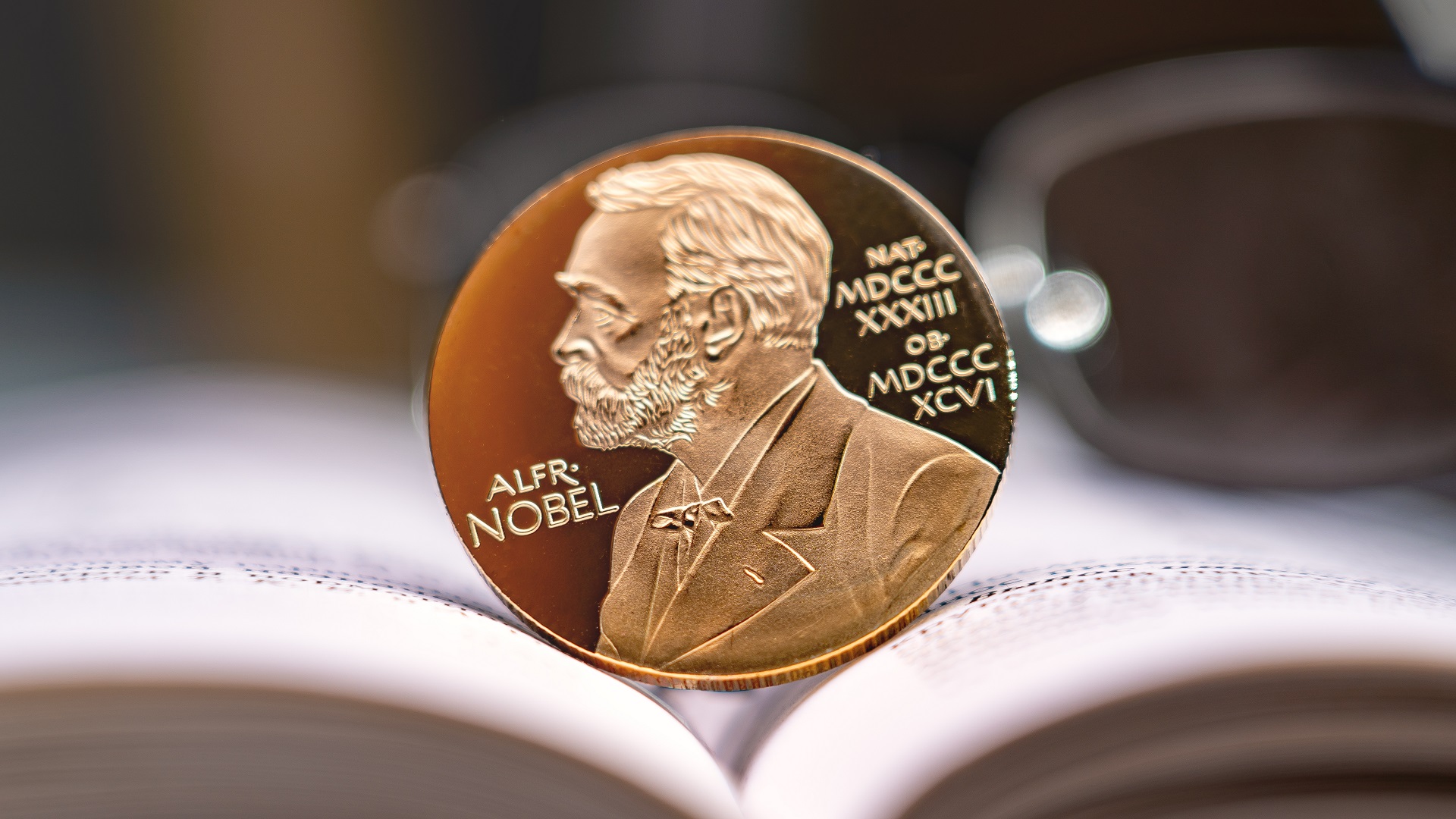
This year’s Nobel Prize in Physics goes to three researchers for their work in quantum mechanics … decades ago.
Michel H. Devoret, Yale University, John M. Martinis, University of California, Santa Barbara and John Clarke, University of California, Berkeley, were awarded the prestigious prize for their breakthrough work in a string of experiments on superconducting quantum circuits in the 1980s.
It’s unusual to award a Nobel Prize today for work done over four decades ago, and no one was more surprised than the recipients: “I’m completely stunned. At the time we did not realize in any way that this might be the basis for a Nobel Prize,” said Clarke in a news conference just after he was told of the win. “Many people are working on quantum computing; our discovery is in many ways the basis for this.”
“Quantum mechanics is the foundation of all digital technology.”
– Olle Eriksson, chair of the Nobel Committee for Physics
“The laureates used a series of experiments to demonstrate that the bizarre properties of the quantum world can be made concrete in a system big enough to be held in the hand. Their superconducting electrical system could tunnel from one state to another, as if it were passing straight through a wall. They also showed that the system absorbed and emitted energy in doses of specific sizes, just as predicted by quantum mechanics,” the Nobel website reads.
Ultimately, their work revealed that using quantum tunneling allows electrons to burrow through the energy barrier. This demonstrated that quantum tunneling can also be reproduced in electrical circuits in the real world.
Because of this, quantum chips that function using qubits with heightened abilities now exist, helping to solve problems classical computers cannot.
For example, in drug development, these chips can be used in complicated chemical and molecular reactions simulations offering a high level of accuracy that is far beyond the capability of classical supercomputers.
IMAGE: Shutterstock
Other fields that can develop because of quantum chips include artificial intelligence, logistics, supply chain management, financial modeling and advanced scientific research.
In a press release, Olle Eriksson, chair of the Nobel Committee for Physics said, “It is wonderful to be able to celebrate the way that century-old quantum mechanics continually offers new surprises. It is also enormously useful, as quantum mechanics is the foundation of all digital technology.”
Though the discovery was made in the 1980s, it was profound, overarching and continues to be the foundation upon which quantum computing develops. The practical applications at the time of the discovery weren’t necessarily apparent, but they are now.
The laureates share a cash prize of 11 million Swedish kronor (U.S.$1.16 million).
Scientists from Stanford and the Arc Institute used AI to design entire virus genomes from scratch. The success is all about language.
The research team, using “genome language models,” taught the AI the language of DNA and asked it to invent viruses that attack bacteria.
Of hundreds of attempts, 16 were successful. Some even outperformed natural viruses. They burst open bacteria faster, survived bacterial defenses and even beat the go-to lab phage, ΦX174, in head-to-head competitions.
This is a large step forward for AI-driven biology and future phage therapies.
The results suggest AI can now design entire living genomes.
This means there is potential for smarter therapies for antibiotic-resistant infections and new possibilities in synthetic biology.
For most human beings swallowing food and water is as natural as breathing. We take the stretchy tube that transports food from the mouth to the stomach for granted.
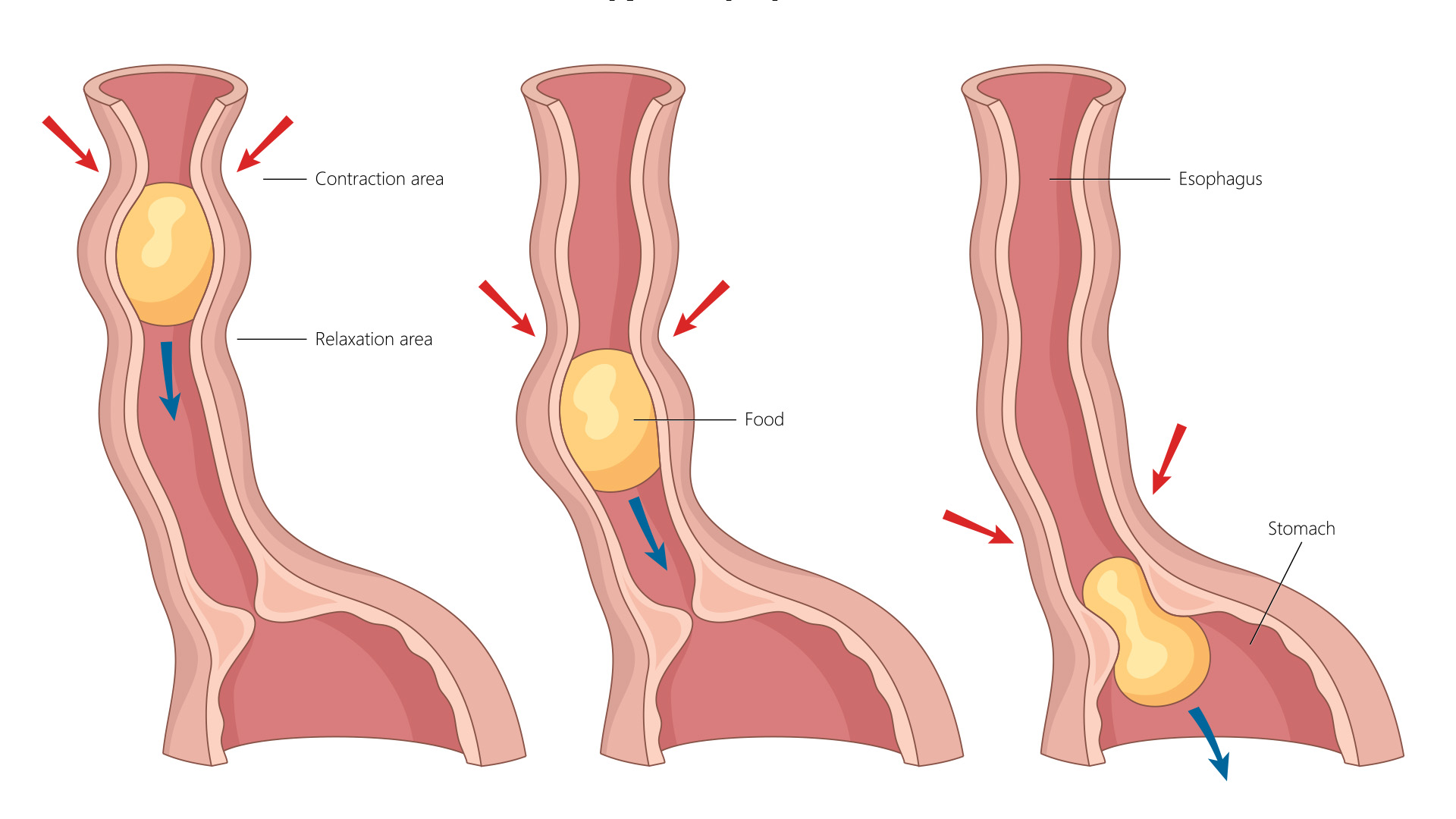
The best-case scenario is the tube moves in peristalsis (smooth, wave-like contractions), pushing food down effortlessly. But sometimes the system malfunctions and food is met with tube spasms, weaker pushes, pushes so strong they are painful (jackhammer esophagus) or a full halt (achalasia) at the lower esophageal sphincter — the gateway to the stomach.
A team of researchers from Kyushu University, however, has created a simulation model that emulates how the esophagus functions when it’s working properly and what happens when it isn’t.
The mathematical model acts like a virtual esophagus that can mimic normal and abnormal patterns by adjusting the dials representing nerves, muscle reactions and timing. Almost like a flight simulator for the esophagus.
This simulator offers doctors and scientists a look into why things sometimes go wrong in the esophagus while allowing them to test ideas safely and experiment with how minute changes might lead to real-world disorders.
The research aims to be a catalyst for diagnosis and fine-tuning treatments for those with swallowing disorders.
From October to February in the Northern Hemisphere, temperatures drop, weather changes and the flu virus gets handed around like a Pass the Parcel game at a birthday party. Except this is the gift that no one wants.
This flu season is expected to be one of the worst on record, but experts say we’re prepared.
Listen to the Deep Dive:
To get through the annual flu season, the global population equips itself with immune-boosting hacks and symptom-suppressing meds.
Many choose to treat symptoms with home remedies.
Sore throat? Try honey and warm tea. Or licorice root tea. Or apple cider vinegar. Clogged sinuses? Try a warm compress. Or ginger and turmeric tea. Or apple cider vinegar. Cough? Try peppermint. Or a humidifier. Or, you guessed it, apple cider vinegar.
The immune system is the sensing system, so it’s really in tune with what you’re doing within your daily life,
– Jenna Macciochi, immunologist at University of Sussex
There are a lot of hacks to make us feel temporarily better, but what is it that will get us better quicker or help us avoid the flu altogether?
The annual flu vaccine is a good start. But do you need it if you had it just last year?
“Scientists develop new vaccines that will offer protection against the new strains that are most likely to make you unwell that year. Our immunity also decreases over time, so an annual vaccine is the best way to ensure you’re protected,” the website says.
And the vaccine isn’t just for the most at risk, like the elderly or immunocompromised, it’s for everyone: “The virus can infect even the healthiest of individuals and when serious, can lead to hospitalization and even death.”
It’s best to protect yourself and those around you but if you happen to contract the flu virus, you can pound back a couple of Panadol Daytimes, which mask clogged sinuses, sneezes, body pain and runny eyeballs, or you can listen to what the experts say.
And they say rest and listening to our bodies is the best medicine.
In a 2024 episode of the Zoe Science and Nutrition Podcast, Jenna Macciochi, an immunologist at the University of Sussex in the U.K., said our bodies are always communicating with us.
“Immune cells are putting out chemical messengers that are acting on your brain to change your behavior. And these are called sickness behaviors.
Because we don’t want you with your infection going about your daily life, walking down the street, going into the office, speaking to people, because A, you’re going to spread that infection, and B, you’re consuming energy that your body could instead put into getting well again,” Macciochi says.
IMAGE: Pixabay-AI
The problem is, slowing down is not always easy, so we often rely on symptom-suppressing pharmaceuticals.
Our body is fatigued when we have the flu because it wants us to put our daily activities on hold to preserve energy in order to activate the immune response to fight off the infection. “There’s sort of like a metabolic switch that says, OK, person’s going to feel tired because we need that energy for the immune cells,” she says.
Ignoring our body’s need for rest is why symptoms often hang around longer than we expect.
The best way to combat the flu, however, is to be proactive.
This doesn’t mean boosting our immune system or power-drinking vitamin C during flu season. In fact, that won’t help you. But taking care of your immune system year-round will.
Macciochi says she believes we need to start thinking differently about our immune systems. “The immune system is the sensing system, so it’s really in tune with what you’re doing within your daily life,” Macciochi says.
There might be something that contains a certain amount of vitamin C, which means they can use that immune-boosting wording on their packaging, but it’s not going to make you invincible.
– Jenna Macciochi, immunologist at University of Sussex
Immune cells come in a variety of types. They aren’t solely responsible for fighting off flus or colds. Each kind of immune cell has its own job.
If we break a bone, for example, there is often tissue damage. When the damage is detected, the tissue brings immune cells to the injury location to start the healing process.
Macciochi says immune cells are also always on cancer watch. “You have specific immune cells patrolling your body all the time, looking for cancer or potentially cancerous cells, and removing them before they become a problem for your body.”
A 2024 study by researchers at the University of Houston in Texas shows that exercising for 15 minutes daily can boost the level of natural killer cells. These are white blood cells that fight infected and cancerous cells. They are called natural because they don’t require previous exposure to a pathogen in order to destroy it.
While immune boosting and dosing ourselves with vitamin C are popular this time of year, the immune system needs constant attention.
It’s simple, really. We get out of our bodies what we put into them. And since the dawn of convenience food, we are eating much more of the things our systems don’t respond well to.
These include ultra-processed foods that have been found to induce inflammatory responses.
The Harvard School of Public Health says, “Diets that are limited in variety and lower in nutrients, such as consisting primarily of ultra-processed foods and lacking in minimally processed foods, can negatively affect a healthy immune system.”
IMAGE: Pixabay
A diet rich in fiber and plant-based foods, including fruits, vegetables, whole grains and legumes, promotes the growth and sustenance of beneficial microbes. Some of these microbes convert fibers into short-chain fatty acids, which have been found to enhance the activity of immune cells.
With a diet like this, the body will have adequate vitamins for each stage of the body’s immune response. Micronutrients like vitamin C, vitamin D, zinc, selenium, iron and protein are essential for immune-cell function and growth.
Supplements can help, but overdosing on things like vitamin C will not.
While the body is complex, taking care of it is simple. As per usual, medical and scientific advice tells us it comes down to eating well, exercising and getting proper rest, all year-round, for a flu season that won’t take you out of the game.
Join our mailing list
Get the latest articles, news and other updates from Khalifa University Science and Tech Review magazine