Building the oil industry and the UAE’s future

The pale light of dawn stirred the Habshan oil field. The horizon shimmered with heat before the sun rose. The engines rumbled, and the men in faded overalls moved through the dust with quiet purpose.
Among them was a 22-year-old mechanic, my father, Faraj Salem Almazrouei, starting his first month-long shift for the National Drilling Company in 1977.

He was to keep the heart of the rig alive. Every bolt and motor weighed in its own importance. To him, the desert was workspace and world alike: unforgiving, endless and promising. Every day began with a wrench in hand and ended beneath a star-filled sky.

That same year, deep in the sands of Abu Dhabi, another story was unfolding, not of one man but of a nation rising on the power of oil.


THE MOMENT THAT CHANGED IT ALL
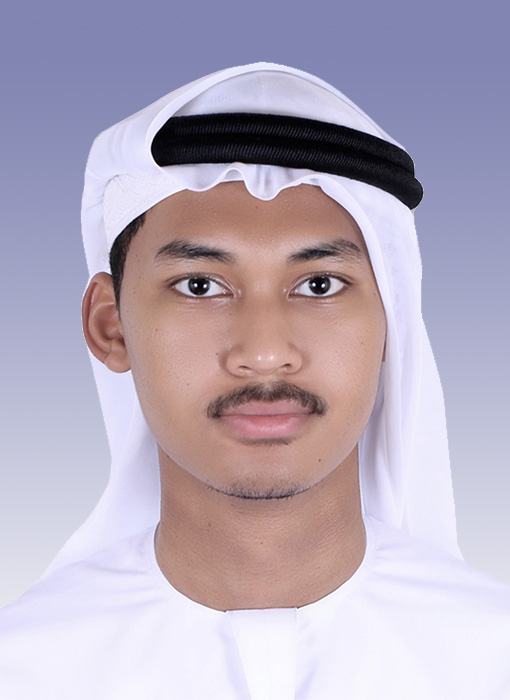

CAPTION: Sultan Faraj Almazrouei

Before oil, the UAE was a land of small coastal towns. Life followed the sea: fishing, pearl diving and trade. The desert was more obstacle than opportunity. Then came the late 1950s, when drills went down and black gold came up.

It was in 1962 that the first shipment of crude left Abu Dhabi, marking a turn of history. By 1977, when my father joined, the country was being transformed: Roads reached the dunes, ports expanded and new schools were opening in towns that had not existed 10 years earlier.

He called it “living inside a miracle.” Every year brought something new: a road, a camp, a skyline.


LIFE ON THE RIG


Work on an oil rig was not for the faint-hearted. The schedule was relentless – one month on, one month off, a rhythm that shaped his life for two decades. During work months he lived between Habshan and Asab, two of Abu Dhabi’s busiest fields.
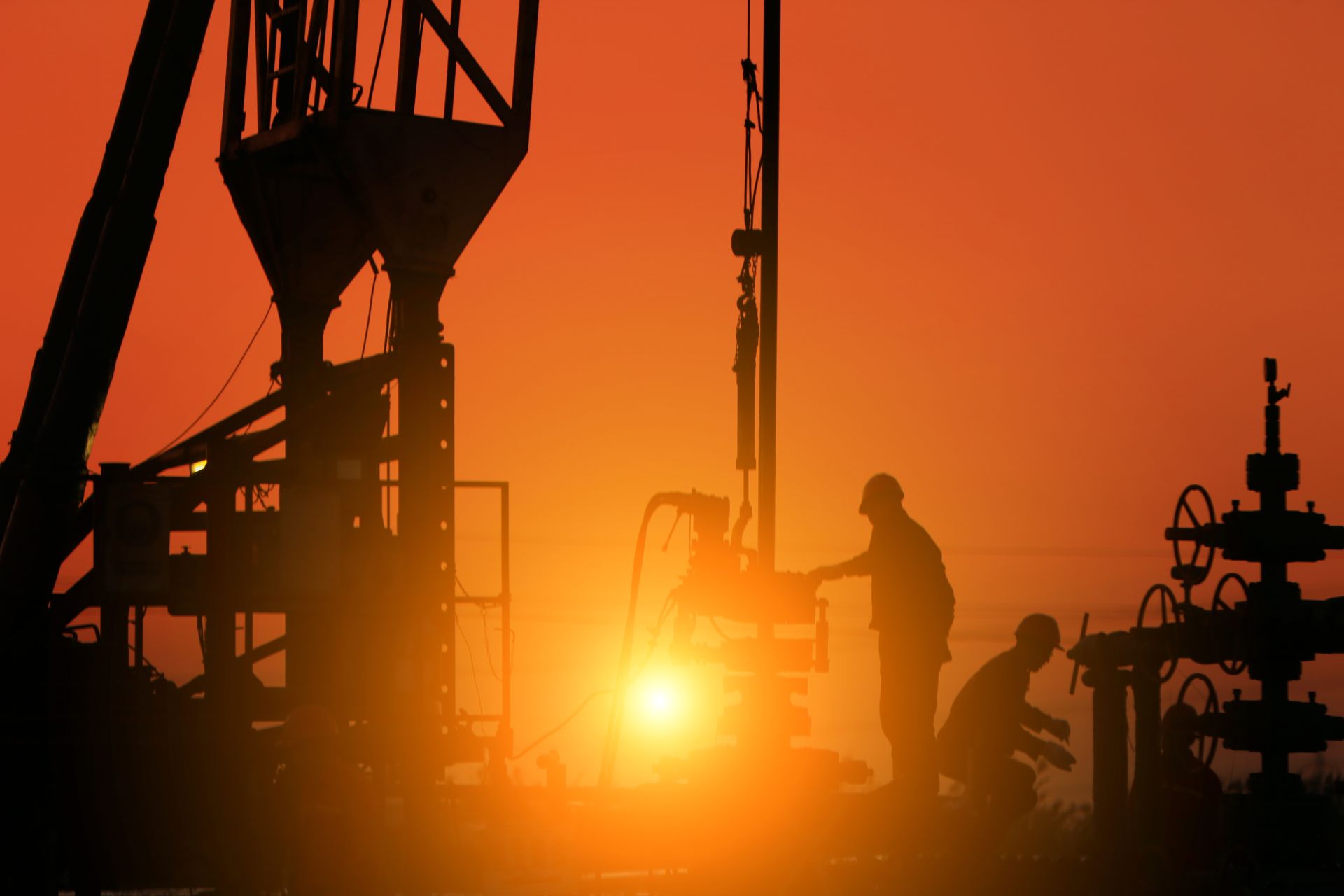
Days commenced well before sunrise. Before mid morning, the temperatures were above 45°C, with heat radiating from the metal rigs. For most of each day, the mechanics, engineers and drillers stood shoulder-to-shoulder, shouting over the roar of machines.

Day and night, the rigs ran even when teams knew one loose bolt could stop production.

There was pride in that suffering, however. The crew turned into a family: Emiratis, Indians, Pakistanis, Filipinos, bound by the same goal. They all worked and ate and slept under the same stars. My father said that when the engines at last fell silent, “You could hear the desert breathe.”


ENGINEERING THE FUTURE


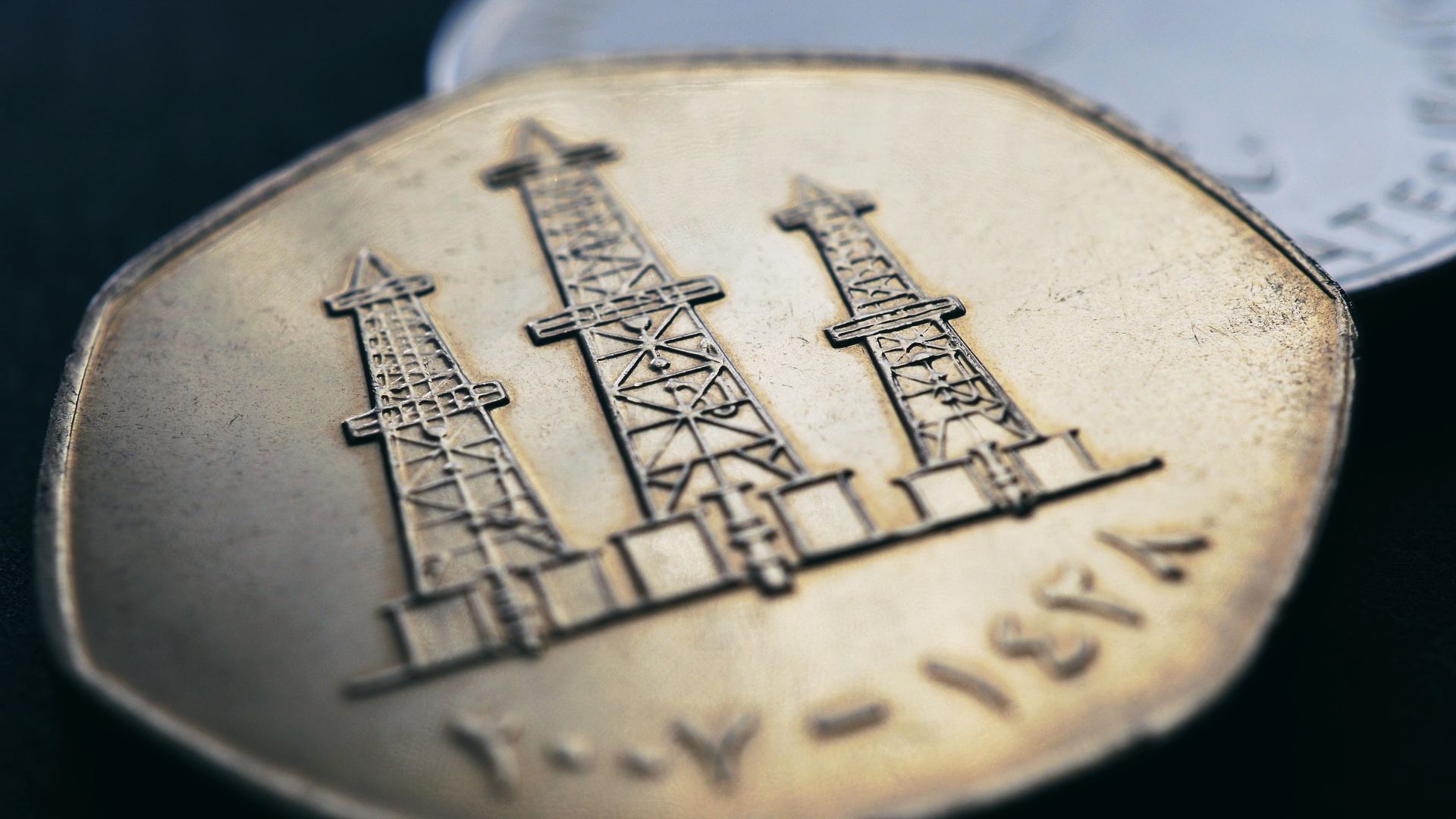
Beneath those towers lay a hidden world. Wells stretched thousands of meters underground, three to four times the Burj Khalifa’s height. Layers of steel casing prevented collapse, each welded and sealed with precision.

My father’s team maintained the engines that rotated the drill, pumped mud to cool the drill bit and kept pressure steady. “The rig was alive,” he said. “You could feel its heartbeat in the ground.”

In the 1970s, most work was manual. Measurements were taken by hand, and repairs meant improvising with limited tools in extreme heat. Today most of those processes are automated, but back then progress was mainly powered by people.


FROM DESERT WELLS TO GLOBAL POWER


In the 1980s and 1990s, the UAE emerged as a global player in the energy front. State-owned ADNOC and its group companies, including NDC (now called ADNOC Drilling), produced around 3 million barrels per day, with export markets including Japan, China, and India as major destinations.

Oil wealth reshaped the nation: highways, airports, hospitals, and universities rose across the country. When my father began, drilling camps were simple. By the time he retired in 2000, paved roads and electricity reached the remotest rigs, together with satellite phones. “We watched the country grow with our own eyes,” he said proudly.


THE HUMAN SIDE OF A NATIONAL STORY


Yet, even with that machinery, it was people who created the oil industry. My father related to his co-workers not as workers but as family. They celebrated birthdays with shared meals and helped each other through the long, hot days.

Every man had a reason for being there: the technician saving for his daughters, the engineer far from home. Yet all shared one belief. “Every drop we pumped out,” my father said, “meant something was being built somewhere: a hospital, a road, a home.”


BEYOND OIL-A LEGACY OF TRANSFORMATION


Today, the UAE stands as one of the most developed economies in the world, known for its skyscrapers, sustainability, and innovation.

Under these towers is a story of men such as my father, whose work built the foundation for it all.

Oil wealth funded schools and research but also opened the path toward renewable energy.

The same drive that powered the drills now powers the UAE’s quest for solar and hydrogen power. The country has learned not just to use energy, but to transform it.


THE WELLS THAT BUILT A NATION


My father’s hands still show the signs of years with engines and oil, though he is retired now. Sometimes, if we are driving past the Abu Dhabi skyline, he says, “When I started, there was nothing here but sand.” His is one of the thousands of stories, but it epitomizes the UAE’s journey.

The discovery of oil didn’t just bring wealth, it built resilience and ambition. The men who toiled under the scorching desert sun little knew that one day their work would light the cities of the future. The hum of those old machines still seems to echo beneath the sand today, a steady rhythm, the heartbeat of a country risen from grit and steel.

Sultan Faraj Almazrouei is a chemical engineering student at Khalifa University

More like this: Data-driven energy
Mapping the Emirati genome

Before scientists discovered the millions of hidden gems of the Emirati genome and before personalized medicine became the forefront of healthcare, there was a vision: the Emirati Genome Project.

For decades the Arab genome had been invisible to international databases, and this left researchers lacking insight on regional diseases.

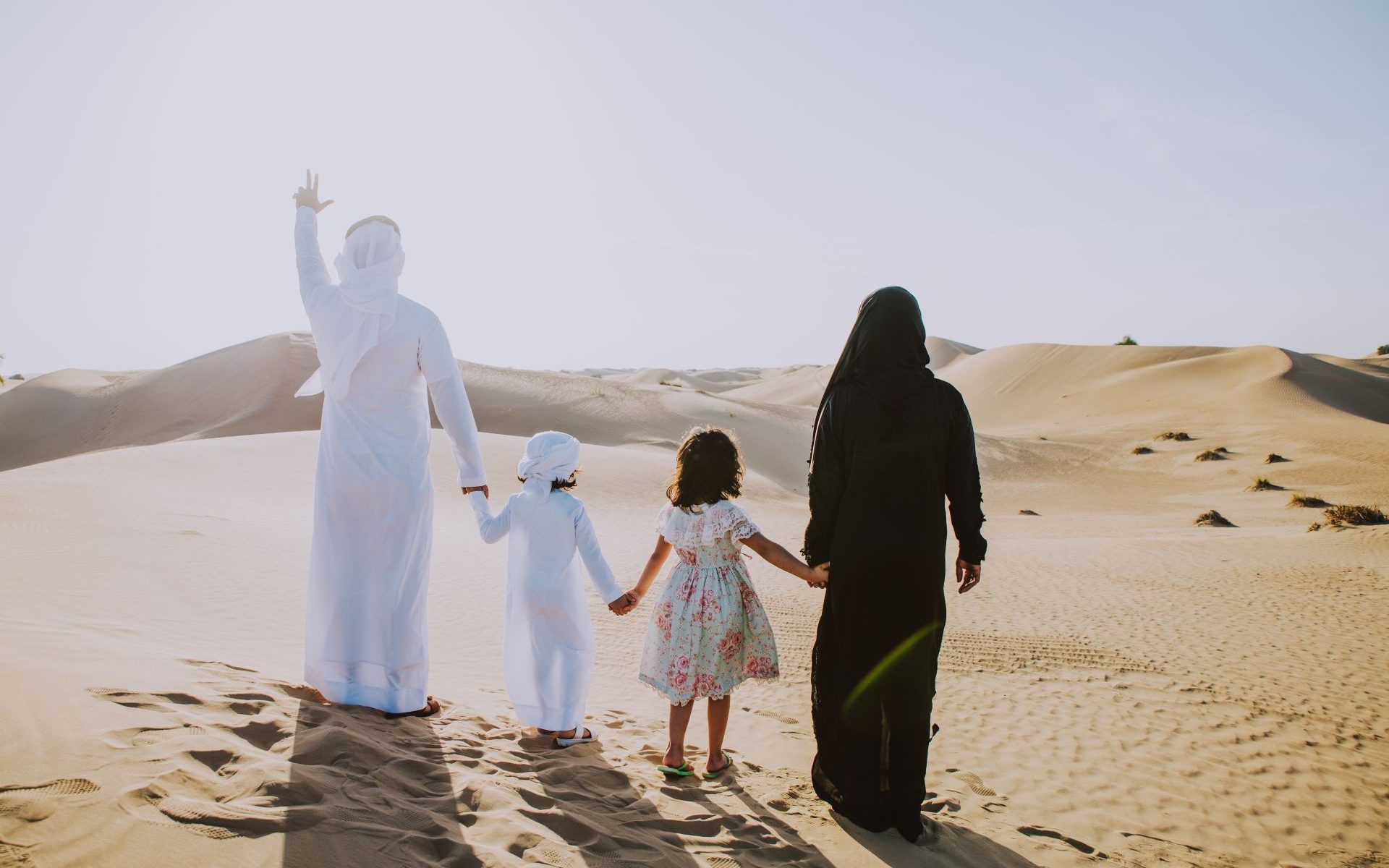
IMAGE: UAE Year of Family

This gap was the main target for the Department of Health – Abu Dhabi, which established the Emirates Genome Council in June 2021 chaired by His Highness Sheikh Khaled bin Mohamed bin Zayed Al Nahyan, Crown Prince of Abu Dhabi.

The Genome Project aimed to build a complete and comprehensive genetic map of the Emirati population and advance the UAE in the field of precision medicine.

The project took its first step into light worldwide when researchers identified more than 1 billion genetic variants through analyzing almost 40,000 Emirati genomes; 38 percent of the identified variations were specific to the Emirati population.

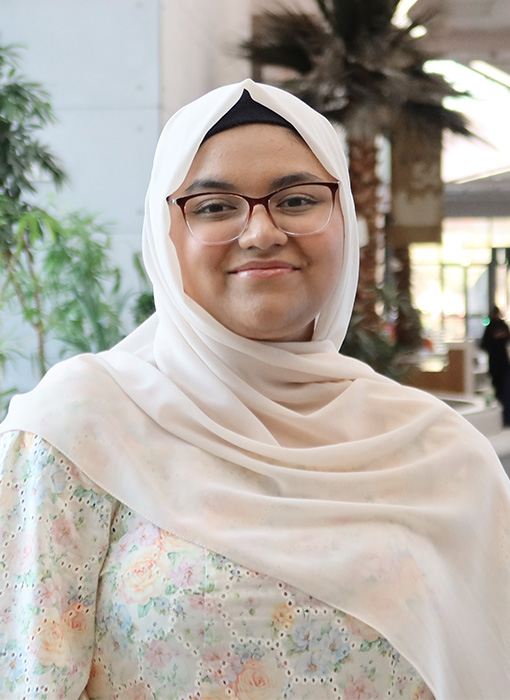
CAPTION: Haleema Rauf

Now with over 800,000 samples collected nationwide and several global collaborations, including with Harvard Medical School to train 500 Emirati physicians in genomic medicine, it is recognized worldwide.

“This initiative is not only enhancing local capacity in Abu Dhabi but also setting a benchmark for global healthcare standards,” said Alireza Haghighi, founding director of the Harvard International Center for Genetic Disease.

Suddenly there was a new road being paved for the future of medicine, and it was all happening on home soil.


BEFORE THE BREAKTHROUGH, PREDECESSORS
AND INSPIRATION

To fully understand this milestone, we need to take a step back and recognise the roots of this effort, beyond the laboratories.

Let’s rewind to the 1990s when the idea of DNA mapping ignited the creation of the Human Genome Project, a global milestone. Later, the Human Pangenome Reference Consortium showed how powerful and important genome mapping was. It also highlighted the under-representation of non-European populations in global genomic databases.

Moving forward to the 2010s, researchers in the Middle East had come face-to-face with the absence of the Arab genomic data. This left them blind to the disease patterns and risk factors required to treat the regional population.

In 2015 there was a sudden shift when the Qatar Genome Project was launched. Alongside this initiative, the region started premarital and newborn-screening programs. These combined efforts highlighted the importance of early genetic detection and the gaps in clinical genomics that could not be ignored any longer.


This initiative is not only enhancing local capacity in Abu Dhabi but also setting a benchmark for global healthcare standards.

Alireza Haghighi, Harvard International Center for Genetic Disease


For the UAE, healthcare leaders seemed to realize the same need, with high rates of recessive genetic conditions due to consanguinity. Keeping in mind UAE’s position as a global innovation hub, the launch of the Emirati Genome Project was not just a step forward in science, but it also established itself as one of the largest population genome projects. It aimed to sequence 1 million Emirati genomes. This initiative marks a landmark in UAE’s journey into precision healthcare.

THE NEW ERA: EMIRATI DNA AT THE
FOREFRONT OF DEVELOPMENT

The Emirati Genome Project is currently one of the world’s most active population-genomics initiatives.

The UAE now has its first full telomere-to-telomere reference genome (a complete version of the Emirati genetic map). The risk of hereditary cancer can now be detected earlier than ever before through precision oncology programs. Moreover, newborn screening now identifies more than 815 treatable genetic conditions.

In this era, doctors can decide on the safest and most effective medications for their patients. This has revolutionized scientific research.

CHALLENGES FACED
AND OVERCOME

Success did not come without struggle. This may seem like a seamless operation, but it was built through years of problem-solving and careful policy development.

The biggest obstacle faced was ensuring the public’s trust and the safety of their data. A survey in 2022 showed that 73% of the population supported the program; the rest were willing to participate but hesitated due to privacy concerns. This meant a legal and technological framework was needed to safeguard the highly sensitive information. The UAE established one of the strongest genomic data-protection laws in the world. This made sure that all genetic data would be stored within national infrastructure and protected heavily.

This leads us to the next hurdle: Where would the infrastructure for processing the massive amount of genetic data come from?

This is how the M42 Centre of Excellence was established.

Today, it is the largest sequencing facility outside of the United States, and it enables industrial-scale processing that is supported by robotics.


Further partnerships with institutes like Khalifa University, Harvard Medical School International Center for Genetic Disease, SEHA and Cleveland Clinic Abu Dhabi have made possible the training and education of professionals and developing large laboratories to accomplish the groundbreaking research.

This has positioned the UAE as a global leader in precision medicine and research. The Emirati Genome Project stands as a testament to the possibilities of scientific ambition, and the discoveries are already reshaping the future of healthcare globally.

Haleema Rauf is a cell & molecular biology junior at Khalifa University.

More like this: Of mummies, mice and medical students

Putting the pressure on injury
prevention

Some of the most common injuries athletes sustain are caused by overuse. Injuries like stress fractures or shin splints can knock a pro athlete out of competition for months. But now there might be a way to avoid such injuries.

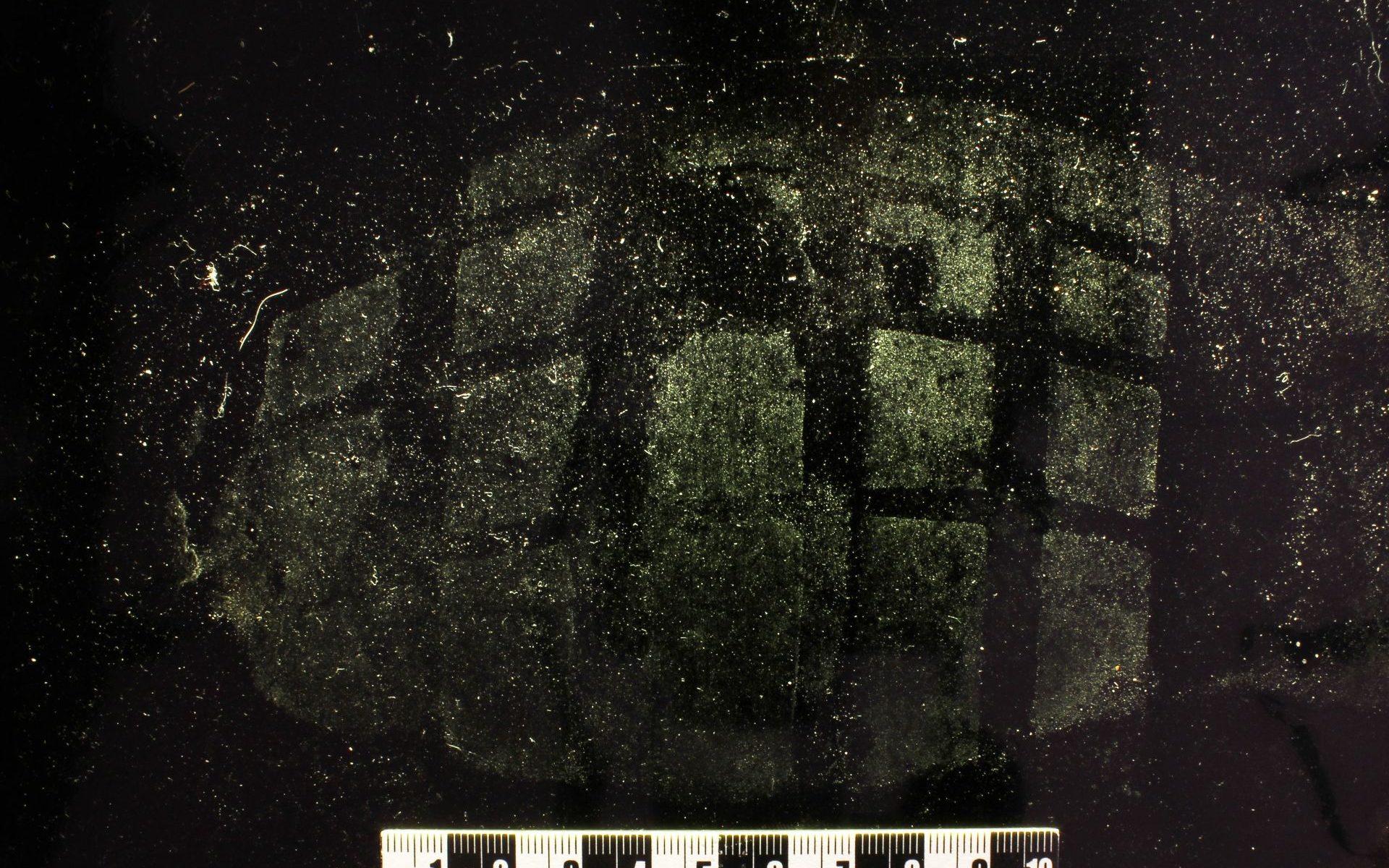
A group of researchers from China have created the flexible iontronic pressure sensor. It uses a woven fabric that shifts its contact area when pressure is applied and an ionic gel — basically a gel full of mobile charged particles — that shifts its internal ion traffic under pressure.

A pressure sensor placed inside a smart shoe sole can measure the force at which the foot hits the ground and subsequently the level of stress on the shinbone.

Most pressure sensors become unreliable at different force levels, but the team’s showed only 1.8 percent error during walking and running, the highest accuracy ever reported for a sensor of its type. Notably, it was reliable on different terrains.

This skin-inspired technology could be a big step forward in medical-grade smart wearables.

More like this: I think I’ll wear my robot