

Celebration salutes Bedouin cultural icon and scientific inspiration›››
Cancer hints from a gecko
Tumor-prone reptile helps researchers understandhuman disease 17 Sep 2026
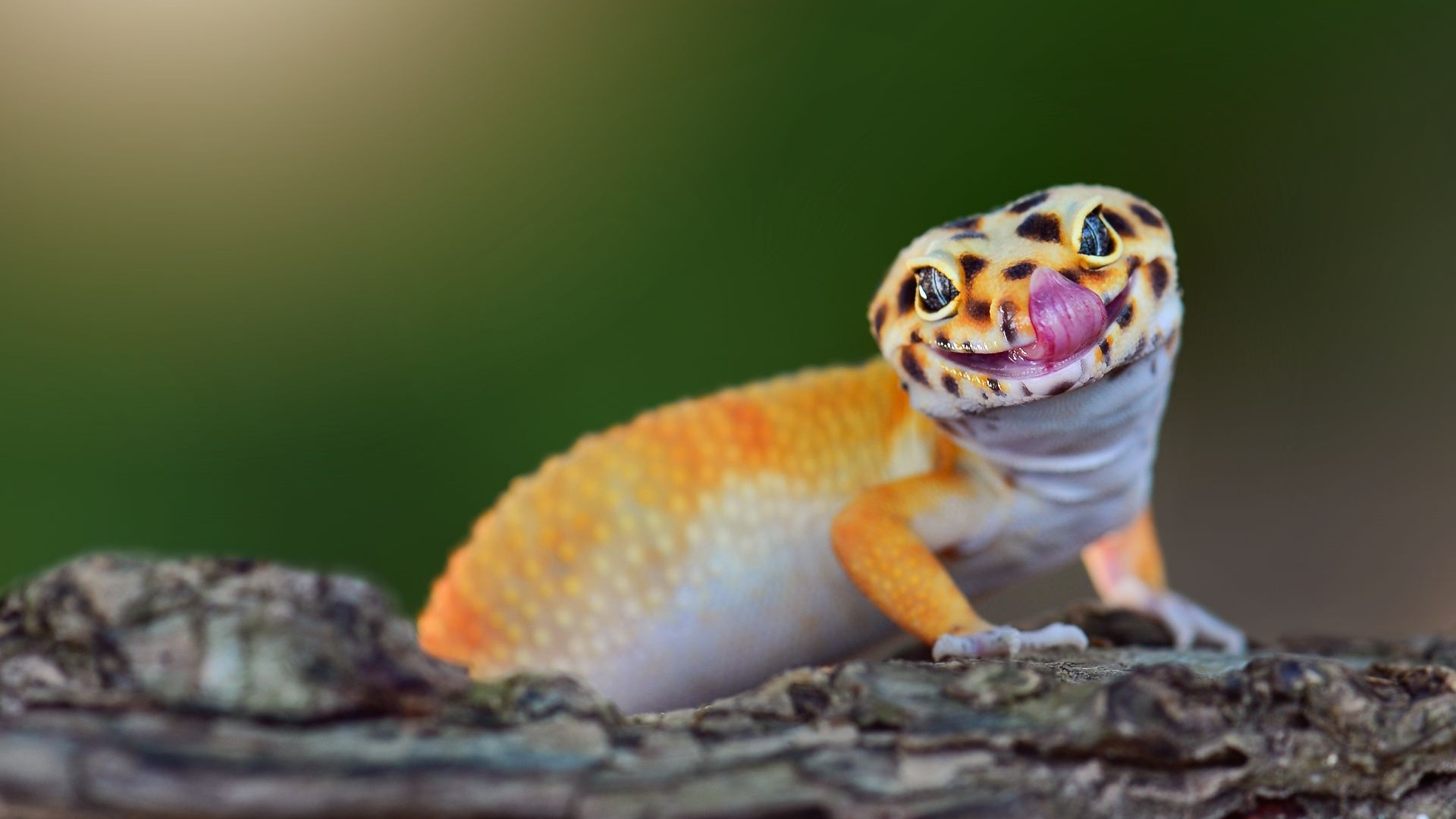
Cancer researchers might be getting important clues from a pet gecko.
Unlike turtles and tortoises, which rarely develop tumors, 80 percent of leopard geckos, often called the “lemon frost” morph, develop aggressive tumors.
A new study led by researchers from the University of Nottingham has identified genomic changes with this cancer. These changes affect the same genes and biological processes seen in human cancers.
“By studying why some animals are so susceptible to cancer while others are remarkably resistant, we hope to uncover the different ways species have evolved to deal with cancer,” says study leader Ylenia Chiari. “Specifically, this gecko could become an incredible model in cancer research because tumors appear naturally at a relatively early age. Together, these natural strategies could inspire new ways of preventing, detecting and treating cancer in humans.”
The lemon frost gecko arose from a spontaneous genetic mutation during selective breeding. Researchers generally induce tumors in lab mice. In the lemon frost geckos, the tumors occur naturally and often metastasize.
More like this: Looking to nature for better drugs
Get the latest articles, news and other updates from Khalifa University Science and Tech Review magazine