

Climate change promises uncharted waters
for scientists studying vast bands of vapor in the sky›››
Microbiology News


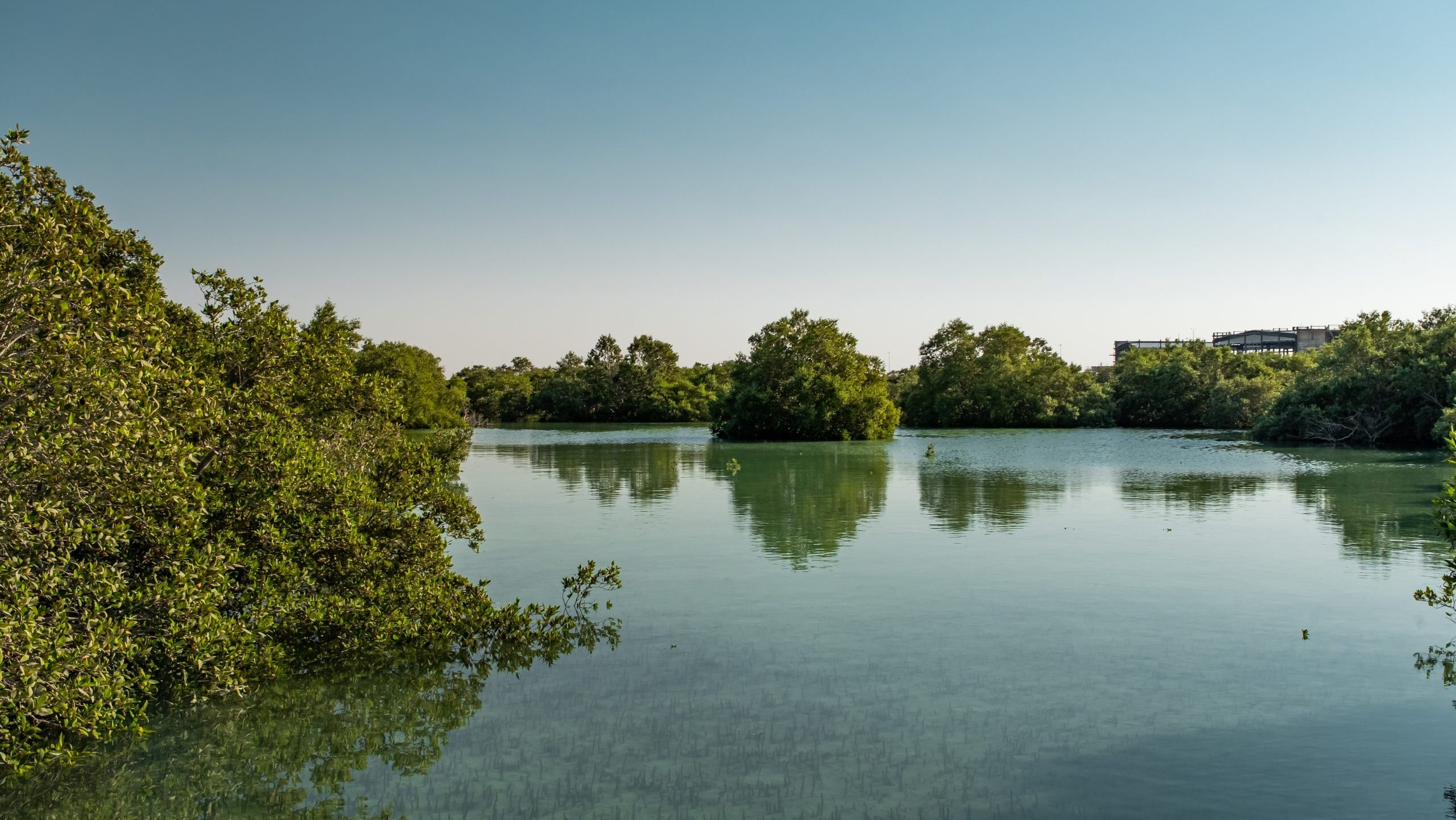
The UAE might already have what it needs to effectively filter wastewater: bacteria found among coastal mangroves.
 CAPTION: Syed Ashraf IMAGE: Khalifa University
Ashraf is the chair of the Department of Biological Sciences at KU, and he says the bacteria that thrive in the mangroves’ high-salinity, high-temperature environment might be harnessed to clean pollutants like hormones and pharmaceuticals that aren’t caught by current municipal wastewater-treatment plants.
These pollutants can be discharged into the ocean or used to water the plants we eat.
“Any bacteria that’s living in (the mangroves) has evolved the ability to not only survive, but also degrade and use (pollutants) for food.” This, he says, could clean the water in a more sustainable way.
That’s what Syed Ashraf is looking to prove.
Using local bacteria has two main benefits, Ashraf says: The bacteria already stand up to the environment, and they are already local, meaning there’s no need to import invasive species from, say, China or the United States.
He’s quick to mention the involvement of two Emirati Ph.D. students helping with the research. Aryam Alkaabi is monitoring contaminants in UAE wastewater treatment plants. Sumayya Al Ali is looking for previously undiscovered bacteria in UAE reservoirs that might help remove water-based pollutants.
 CAPTION: Young rice sprouts IMAGE: Shutterstock
“What really excites me even more than the project itself is to see the youth and the younger Emirati population being really involved and understanding of the issues that are at hand,” Ashraf tells KUST Review.
More like this: Secret climate weaponry
Get the latest articles, news and other updates from Khalifa University Science and Tech Review magazine