
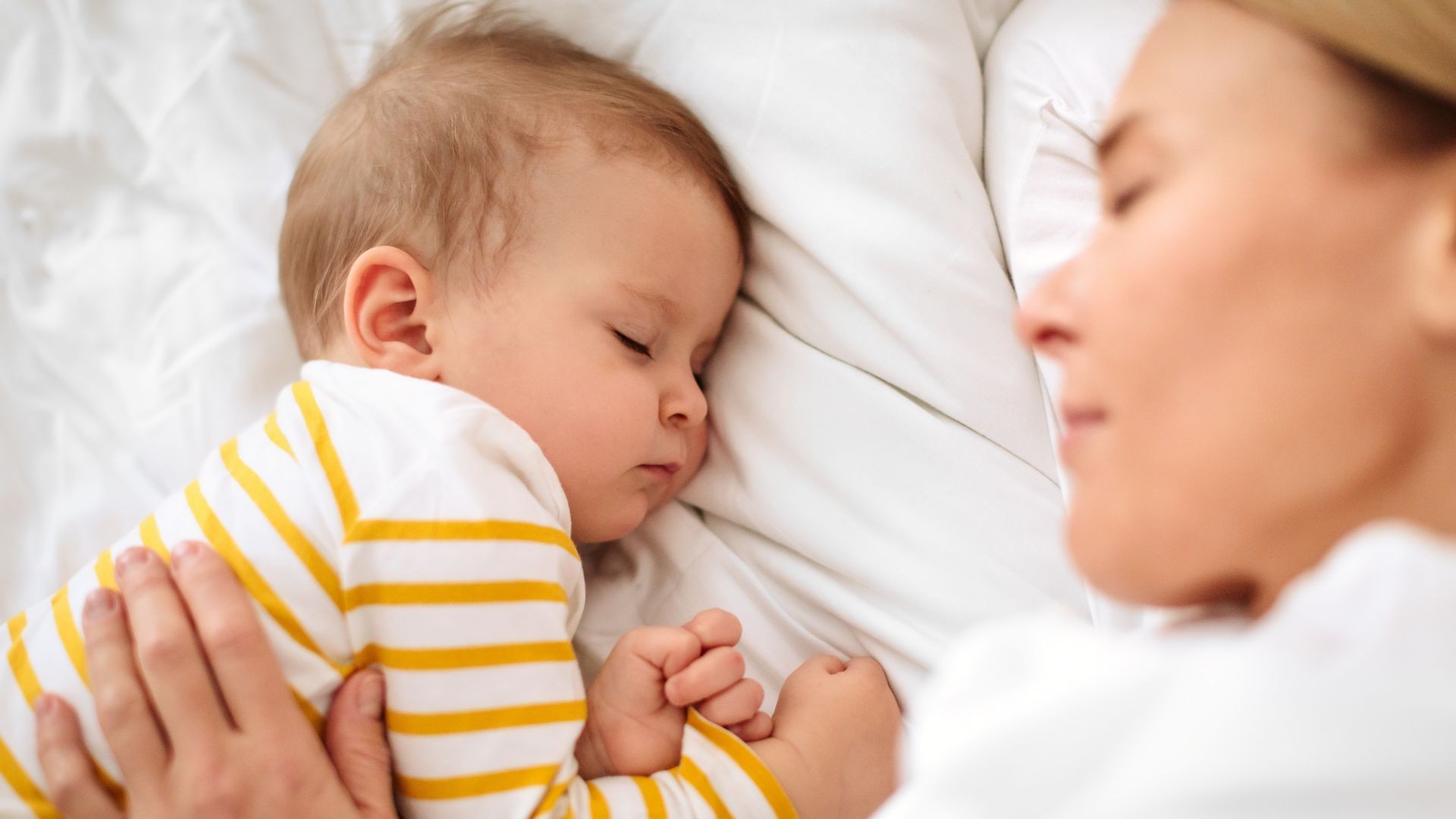
IMAGE: Shutterstock

A little more than a fifth of all infant deaths globally can be traced to how parents put their babies to sleep, but practices differ among cultures. In the UAE, more than 80 percent of residents come from more than 200 countries, and there is limited local guidance on infant sleep.

SAFE SLEEP FOR BABIES: How to reduce the risk for infant deaths

This mix of nationalities gave researchers a wide cross-section to study how cultures influence how people put their babies to sleep.

The team, managed by Khalifa University’s Rima Kaddoura, looked at five sleep practices:

  • Back sleeping
  • Separate approved sleep surface
  • Room sharing with an adult but not sharing a bed
  • Sharing a bed
  • And no soft objects or loose items in the baby’s bed

In the UAE, the team found selective adherence to Abu Dhabi government-approved practices: About 69 percent of respondents used recommended back sleeping but only 11.5 percent avoided soft bedding, which can contribute to infant death, and 8.4 percent used a separate approved sleep surface.

“I am a mom of two and my oldest is 7. When he was born, I was in Lebanon and it was a whole new world to me,” she says, pointing out that her peers were confused by the difference between loose blankets and safer sleep sacks as well as why bumpers in cribs can be a danger.

Kaddoura says she frequently sees that same confusion in the UAE today.

The paper is part of a larger program implementing a maternal and infant health-monitoring system in Abu Dhabi, Kaddoura says.

Kaddoura stresses that the system she and her team are helping to shape is influenced by Western norms but makes room for cultures that value co-sleeping.

“Now some guidance is moving further from, ‘Put them to sleep on their own’ to implementing safe co-sleeping techniques,” she says.

FOR EDUCATIONAL INSTITUTIONS: ADEK’s safe-sleep policy

“We hope that eventually we and our partners, with further research, can implement guidelines that are adapted to the culture, but at the same time respect and follow safe sleep for infants,” Kiddoura says.

Sleep-related infant deaths, including sudden infant death syndrome, or SIDS, fell in the United States since public-health campaigns began championing safer sleep practices. From 1990 to 2022, mortality rates declined from 1.30 to 0.42 deaths per 1,000 live births.

Data for the Middle East is sparse, but figures in one study conducted in the UAE found SIDS cases were 0.66 deaths per 1,000 live births, higher than the global average of 0.24 per 1,000 live births.

Among other findings, parents from the Americas and Western Europe were more likely to follow multiple recommendations.

Parents from the Western Pacific and Southeast Asia were more likely to share beds. These findings align with preferences in the respondents’ countries of origin, the researchers say.

More like this: Born too small

Join our mailing list

Get the latest articles, news and other updates from Khalifa University Science and Tech Review magazine