


Celebration salutes Bedouin cultural icon and scientific inspiration›››
Technology News
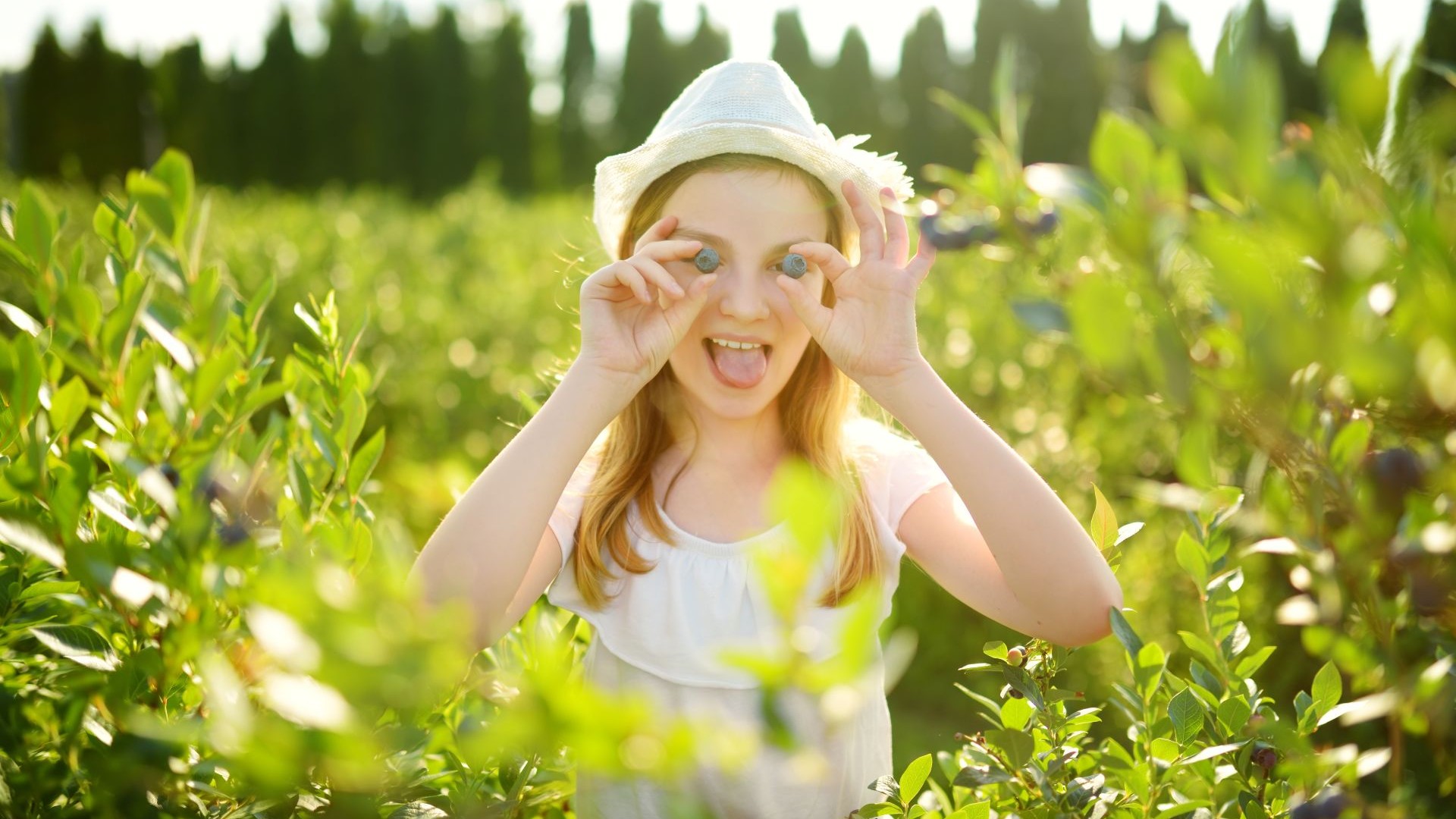
Large language models could soon become some of farmers’ most valuable field hands, estimating harvests, judging when fruit is ripe and even recommending the best time to pick crops.
Khalifa University researchers have developed a new system that combines advanced computer vision with a large language model to analyze densely packed fruit in real-world conditions. These challenges have long frustrated existing agricultural AI.
Previous systems trained on carefully controlled images. The researchers built their new model using more than 1,100 images collected from a blueberry farm in Al Ain, UAE. These images capture the realities of modern agriculture, including uneven lighting, overlapping fruit, dense foliage and complex backgrounds.
The new framework, called SAMConvFormer, combines Meta’s Segment Anything Model with a hybrid convolutional neural network and vision transformer. This framework can more accurately distinguish individual berries even when they are partially hidden or clustered together.
The improvements translate into more reliable crop management.
The system estimates overall yield, classifies berries into five stages of ripeness and passes the information to a large language model that generates practical recommendations for growers. The system can also suggest the best time to harvest, labor requirements and resource allocation.
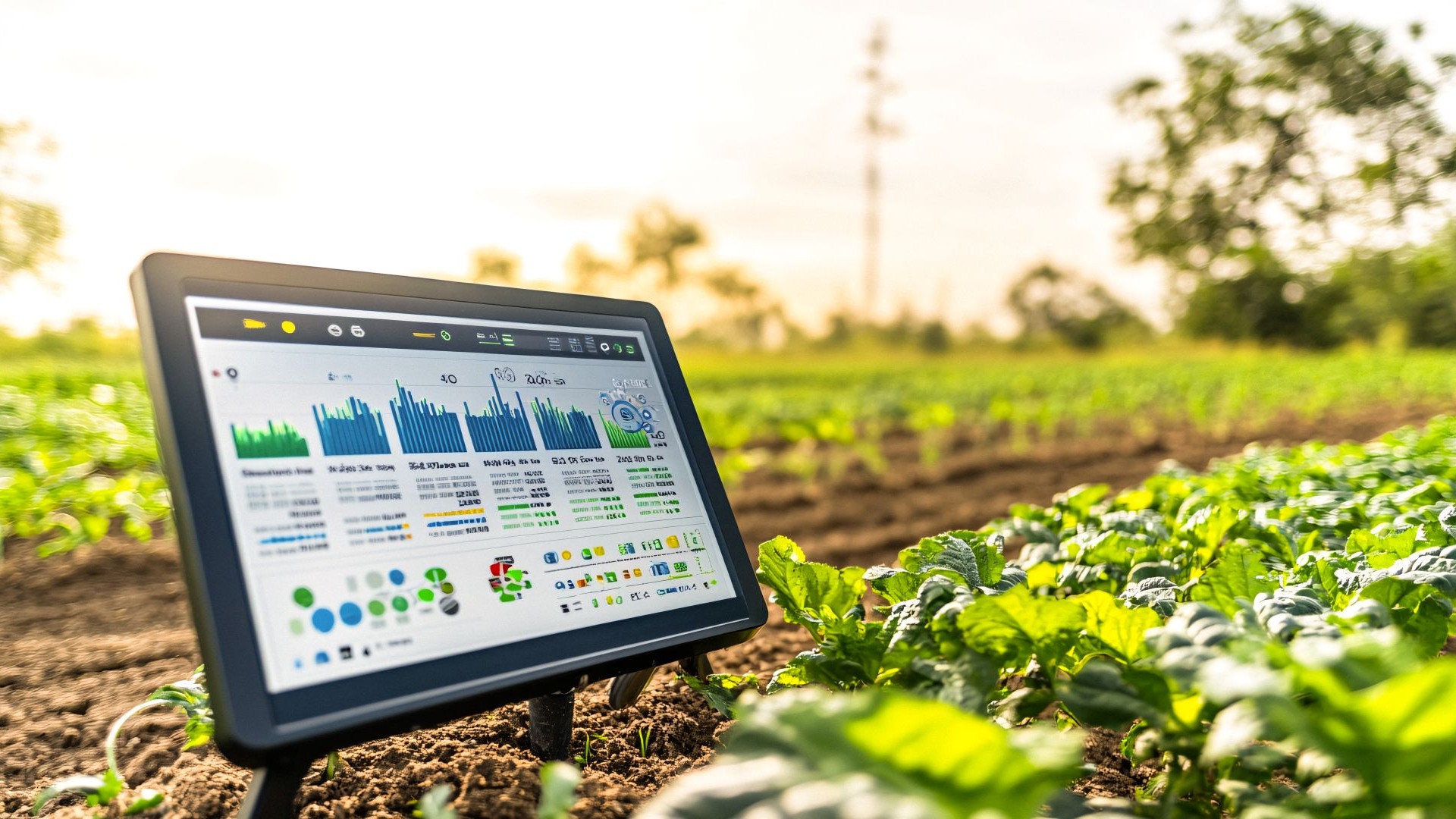 CAPTION: Crop monitoring concept IMAGE: Shutterstock
Tests showed the new approach significantly outperformed existing crop-segmentation methods, improving detection accuracy by as much as 31 percent over the baseline model while also delivering more precise estimates of yield and ripeness. The researchers reported yield estimates that were about 90 percent accurate compared with manually annotated data, while ripeness classification exceeded 97 percent accuracy across all maturity stages.
The team believes the framework could help accelerate the adoption of precision agriculture by giving growers a practical decision-support tool that works under real farming conditions rather than ideal laboratory settings.
By making both the AI framework and its real-world dataset publicly available, the researchers hope to spur further advances in automated crop monitoring and smarter, more sustainable food production.
More like this: Drones help farmers grow greener
Get the latest articles, news and other updates from Khalifa University Science and Tech Review magazine