


Celebration salutes Bedouin cultural icon and scientific inspiration›››
Technology
Humanity gave itself a good pat on the back when the Rosetta Stone unlocked the secrets of Ancient Egyptian. But there are still other linguistic mysteries left to solve. Here are four:
The people who carved the giant stone heads of Easter Island also left wood tablets likely created before the arrival of Europeans. These tablets might help explain the structures’ purpose. Unfortunately, few rongorongo tablets survived, and after a sharp population decline of the Rapa Nui people by the 19th century caused by European diseases and raids, no one alive could read the script. The biggest questions other than the content itself: Is rongorongo proto-writing or a complete writing system? And are the texts evidence of an independent invention of writing like that of the Chinese or the Sumerians?
The handwritten manuscript, containing fantastical images and diagrams, was first documented as the possession of a 17th century Prague alchemist. It was later named after book dealer Wilfrid Voynich, who purchased it in 1912.
The 250 vellum pages, however, have been carbon dated to the 15th century. Experts hypothesize that the document could be a code, a script for a natural language, a piece of fiction or even a hoax. British and American codebreakers from World Wars I and II had no luck, but Yale University, the current custodian, invites the public to have a crack.
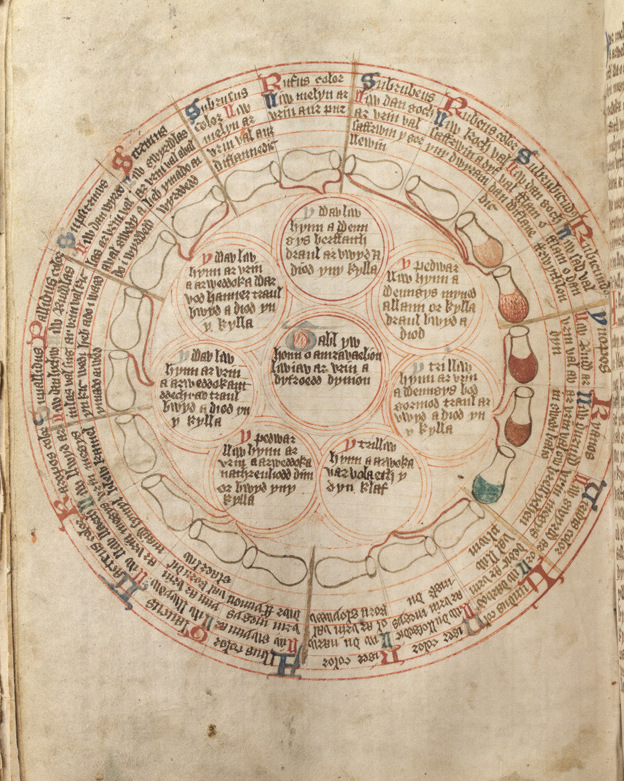 CAPTION: A page from the Voynich Manuscript.
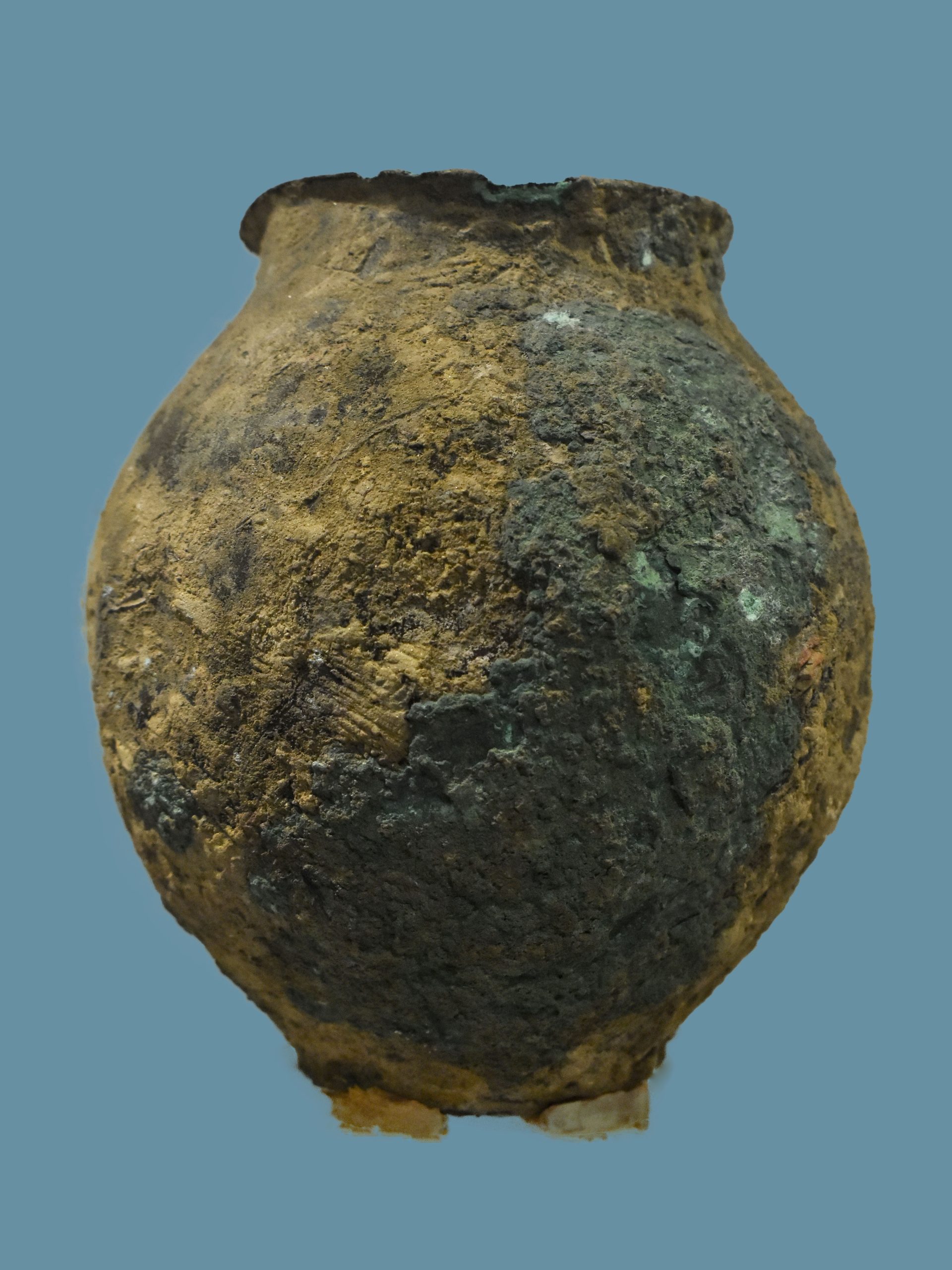 CAPTION: This copper vessel is from the Harappa culture.
Also called Harappan, the script belonged to a civilization that spread from 3300 BCE to 1300 BCE across what is now Pakistan, northwestern India and northeast Afghanistan. About 5,000 inscribed objects such as stamp seals, pottery, bronze and copper plates, tools and weapons have been excavated since 1924.
Most inscriptions are short, and there are no known bilingual inscriptions to help modern linguists solve the puzzle. The incentive to solve it is good, though: An Indian official in 2025 announced a U.S. $1 million prize for decoding the script.
On the grounds of CIA headquarters in Langley, Virginia, is a sculpture by artist Jim Sanborn that contains encrypted messages. The first three have been broken since the piece was installed in 1990, but the fourth remains unsolved.
A fifth message is expected to reveal itself when the other four have been broken. The sculpture is made from four large copper plates as well as water, wood, plants, red and green granite, white quartz and petrified wood. A prominent feature of the piece is a large vertical S-shaped copper screen that looks like a scroll or paper emerging from a printer.
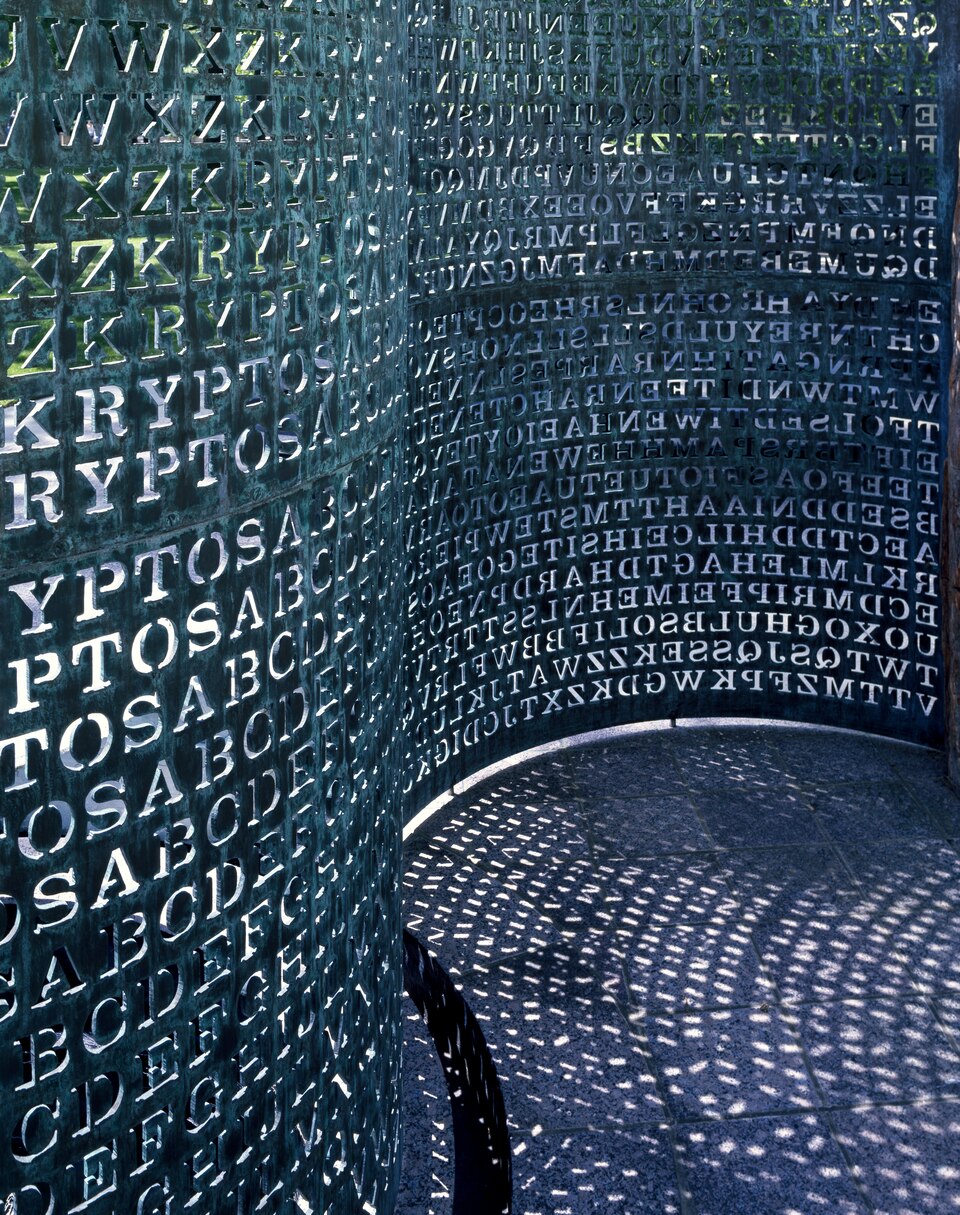 CAPTION: “Kryptos” at CIA headquarters.
Get the latest articles, news and other updates from Khalifa University Science and Tech Review magazine