


Workers in the 1970s fields paved the way for sustainability›››
Health
If you’ve ever tried to get backstage at a concert, you’ve encountered a gatekeeper.
What you might not know is that your gut lining is also a gatekeeper — it exists to let the things pass through that it should and block those that shouldn’t.
Your lower intestine is lined with over 4,000 square feet of surface area designed to allow nutrients into the bloodstream and keep partially digested food, toxins and bacteria out.
Sometimes, however, that lining develops weaknesses and escapees are given free rein on the body. This condition is known as leaky gut syndrome, and it can cause a lot of discomfort.
Though not widely studied yet, Harvard Health Publishing says some common conditions, like arthritis, allergies, asthma, obesity and mental illness, are thought to be associated with leaky gut.
According to the Cleveland Clinic, this condition can be caused as a result of diet, stress or medications, and it often coincides with others like celiac disease and irritable bowel syndrome.
But fear not, there may be a way to heal your leaky gut.
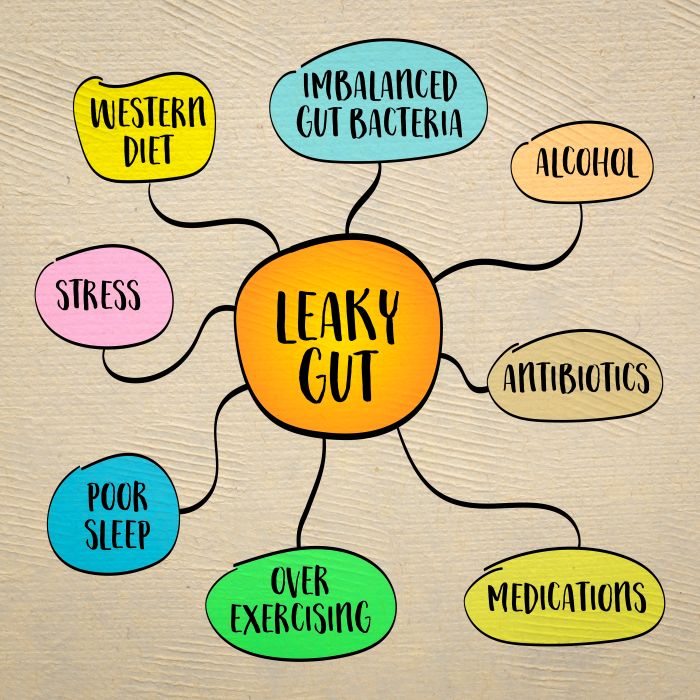 IMAGE: Shutterstock
And, as in most cases, the mitigating healer is natural and something many of us consume daily.
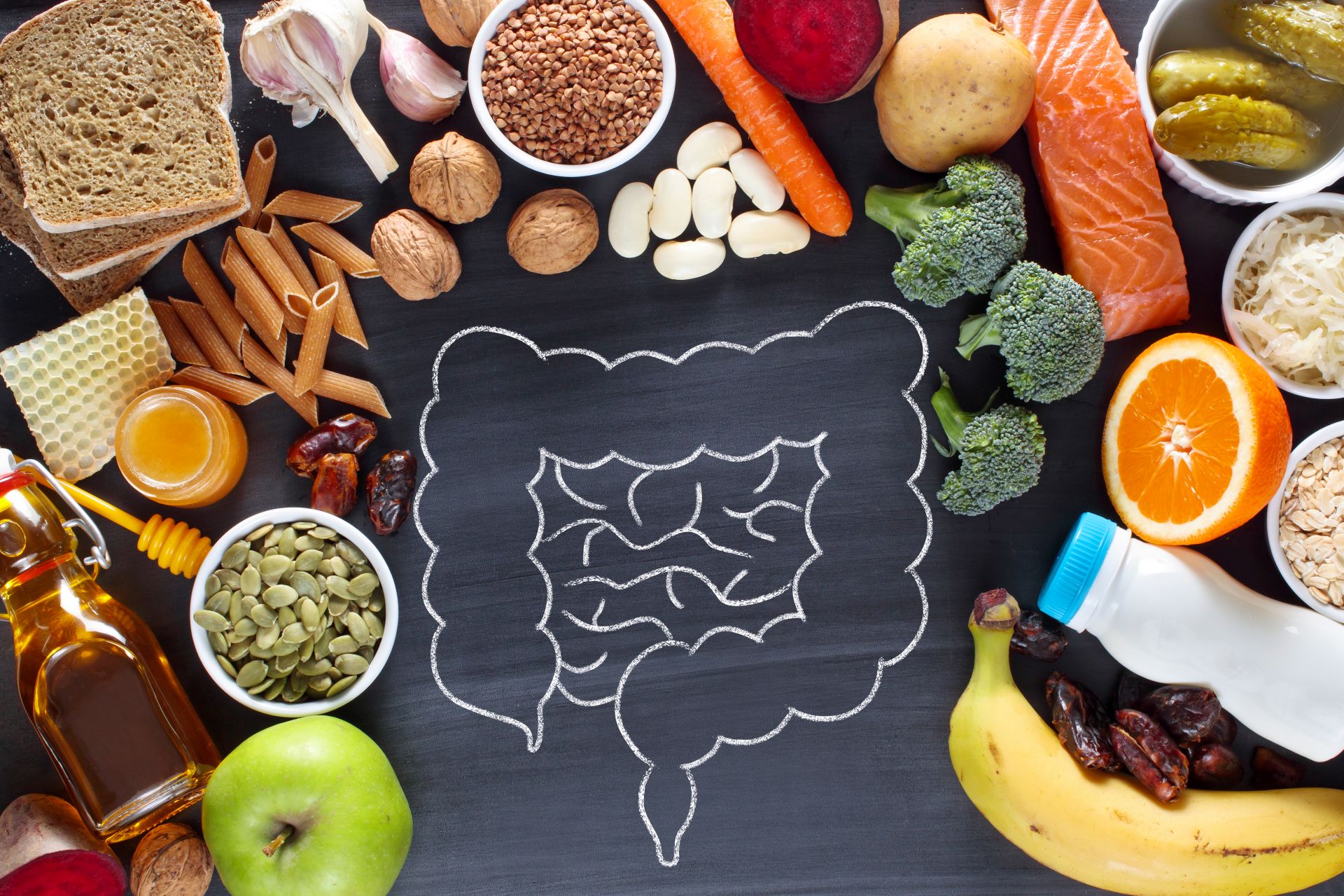
“A naturally occurring compound (phytic acid or InsP6) found in beans, grains and legumes may help the gut maintain its protective barrier at the epigenetic level,” according to research published in Nature Communications.
The discovery of this plant molecule isn’t new, but its ability to potentially protect and maintain the gut lining is.
The gut-managing molecule HDAC3 determines which genes get switched on or off inside of the cell, especially those involved in gut stability. It fails to properly do its job when its helper enzyme, IPMK, is absent. When removed, HDAC3 reduced activity by 90 percent.
The culprits were a group of genes called MMPs that can chew through tissue when left unchecked, causing leaks in the gut.
“When this molecular pathway broke down, the gut barrier became significantly leakier,” the research says.
 CAPTION: Healthy gut diet IMAGE: Shutterstock
The paper also says that when InsP6 is reintroduced into subject mice, HDAC3 bounced back and the gut barrier improved.
While the study was performed on mice and has yet to be tested on humans, it’s another reminder that the foods we eat are doing far more than simply providing calories: Diets rich in phytic acid or future therapies based on it could someday help support gut-barrier health.
More like this: Global gut woes
Get the latest articles, news and other updates from Khalifa University Science and Tech Review magazine