


Celebration salutes Bedouin cultural icon and scientific inspiration›››
Health News
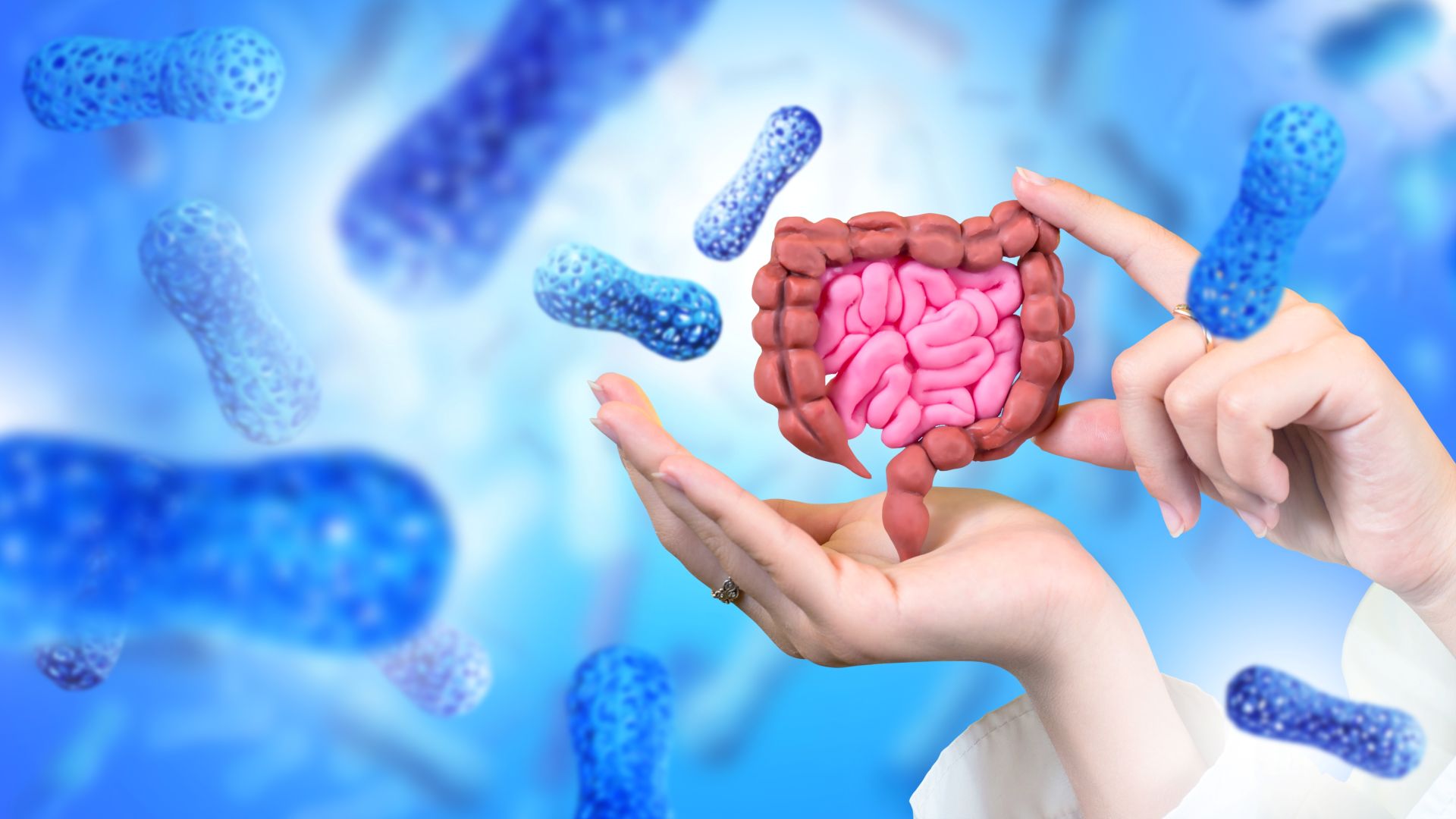
Saccharomyces boulardii is often used to treat digestive woes. Like most yeasts, in the lab it happily runs on glucose, but scientists discovered that once it arrives in your intestines, it changes its MO.
A recent study published in BMC Genomics uncovered that once the research team places yeast into germ-free mice and waits a week to see which genes it switches on, the diet of choice isn’t sugar as expected, but rather fatty acids (fats) and amino acids (protein building blocks).
It also reduced energy-hungry activities and launched stress-survival systems — kind of like moving from bakery mode to survival mode.
The number of engineered probiotics to deliver medicines inside the body are increasing and the results of this study show what works in a lab isn’t always the same as what works in the gut.
It is imperative to understand how next-gen designer probiotics behave in the real world to gauge their impact.
More like this: Trust your gut?
Get the latest articles, news and other updates from Khalifa University Science and Tech Review magazine