
IMAGE: Shutterstock

If you spend a little time wandering the aisles of any grocery store these days, you’re not likely to miss the protein craze.

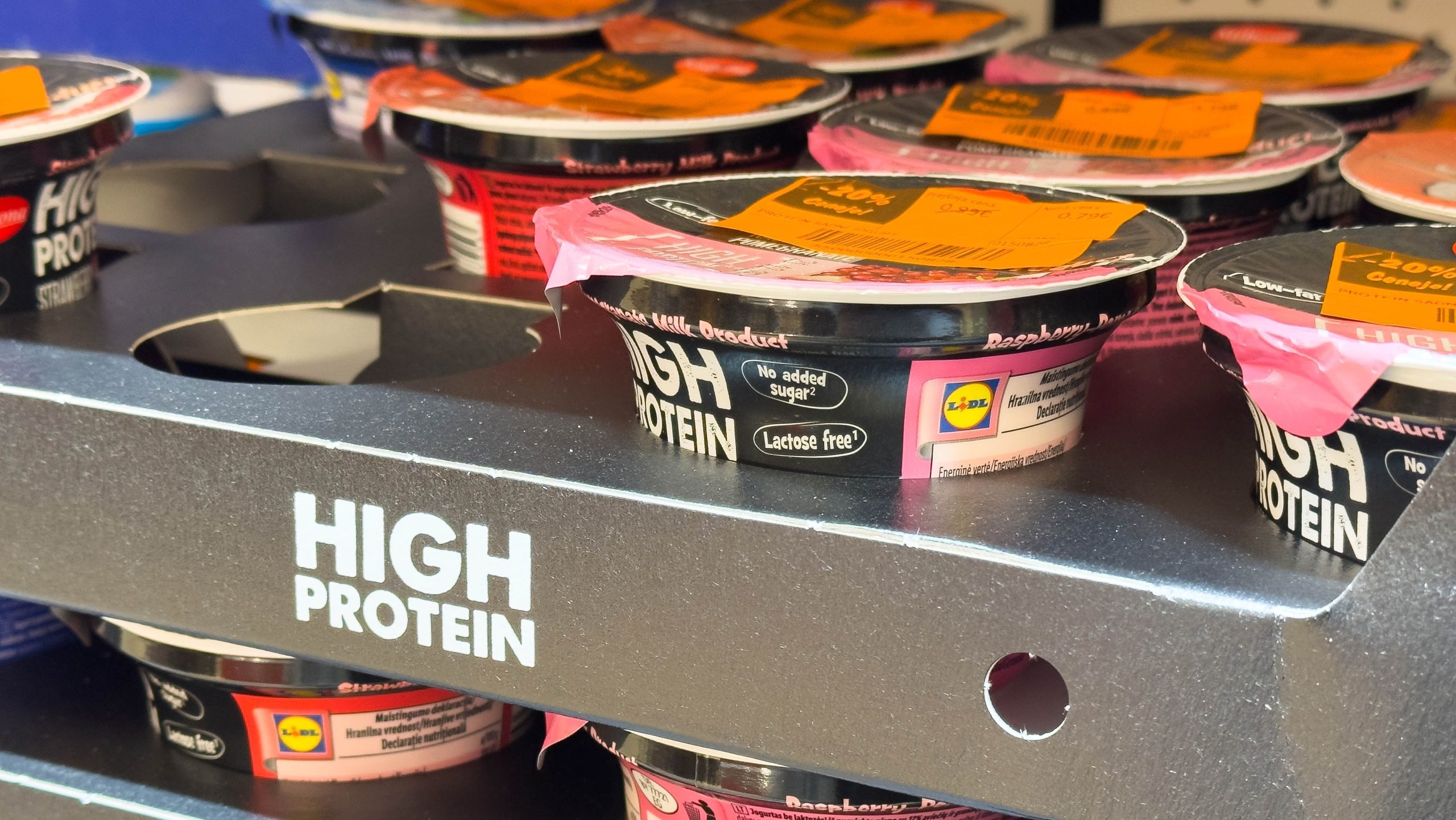
Protein powders and shakes, high-protein yogurts, protein bars — it seems protein-boosted everything is battling it out for space on the shelves. And for good reason. Shoppers are buying it.

A new paper published in The Journal of Nutrition, however, says there’s a gap between what we say we want and what we have on our plates if other nations follow the U.S. lead.

A 2025 survey says 70 percent of Americans were trying to get more protein into their diets and about 23 percent said they follow a diet high in protein.

Not meeting guidelines

Oddly, the average American adult eats around the same amount of protein as they did 20 years ago — about 1 gram per kilogram of body weight daily.

The most recent U.S. dietary guidelines, however, state that the average person requires about 1.2-1.6 grams of protein per kilogram of bodyweight per day. This means for a 70-kilogram individual, a protein intake of 70 grams is insufficient by between 14 and 42 grams daily.

The research determined that most of us are guessing about their protein requirements, as only 20 percent of survey participants said they know how much they need daily.

More like this: AI builds super-charged proteins

Teenage girls, younger women and older adults are most likely to fall short.

CAPTION: Breakfast is often a missed opportunity to add more protein to your diet, experts say. IMAGE: Shutterstock

“Ultra-processed” food items provide most of the protein intake. This is a problem, researchers say.

“The protein content of food is increasingly being used by people to identify healthy foods,” the paper says.

Lots of unknowns

While many of these products make people feel fuller, make weight management easier and improve metabolic health, the proof isn’t in the pudding. The long-term effects of ultra-processed consumables are unknown, and it’s also undetermined how they fit into a balanced diet without adding extra sugar and calories.

What should we do? The research team has some pragmatic ideas:

  • Get good protein at breakfast. Many of us reserve our protein for dinner.
  • Source protein from more than one place. Mix animal and plant proteins.
  • Read labels.  Choose nutrient-dense fortified foods rather than whatever has the biggest “PROTEIN” label.

Lastly, the team says health professionals like doctors and dieticians should help people use the guidelines to create healthy meals.

It shouldn’t solely be based on a gram count, either. We don’t all fit the same mold, so the best advice depends on the individual’s age, food preferences and general diet quality.

More like this: 3D printers get cooking

Join our mailing list

Get the latest articles, news and other updates from Khalifa University Science and Tech Review magazine