



Celebration salutes Bedouin cultural icon and scientific inspiration›››
Natural Science News
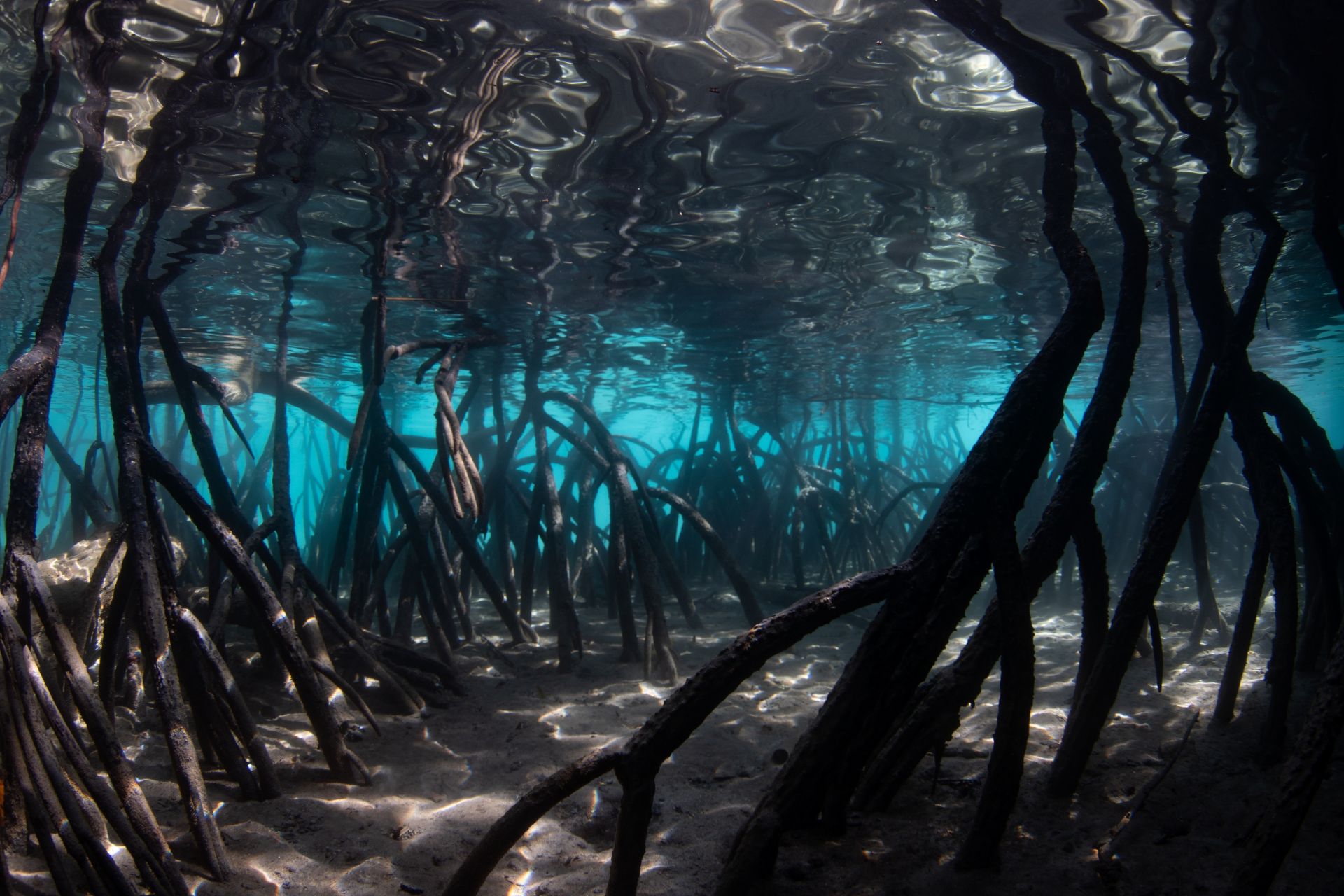
The muddy, coastal forests known as mangroves are turbo carbon-storage vaults, and recent research indicates that they also house black carbon — a remnant of fires that typically breaks down at a snail’s pace.
The carbon in the mangrove soils of the Zhangjiang Estuary in China was found to be made up of 17 percent burned carbon.
The deeper the soil, the more of this long-lasting carbon remains, showing its ability to hang round for a very long time.
A small portion is mobile, however, traveling out to sea which indicates that while mangroves store carbon, they also release it.
The plants are the key to all of this action as they help to trap more carbon that the soil conditions like texture and nitrogen contribute to its stability.
Ultimately, the research, published in Environmental and Biogeochemical Processes, indicates that mangroves may play a more vital role in climate protection than originally thought — vaulting carbon in the long term and its masked role in global carbon cycling.
More like this: Gift from the sea
Get the latest articles, news and other updates from Khalifa University Science and Tech Review magazine